The Ho Chi Minh City People’s Council has approved a six-month free bus fare program and endorsed a series of major infrastructure and urban redevelopment projects worth hundreds of trillions of Vietnamese dong, aiming to improve public transport, urban development and regional connectivity.
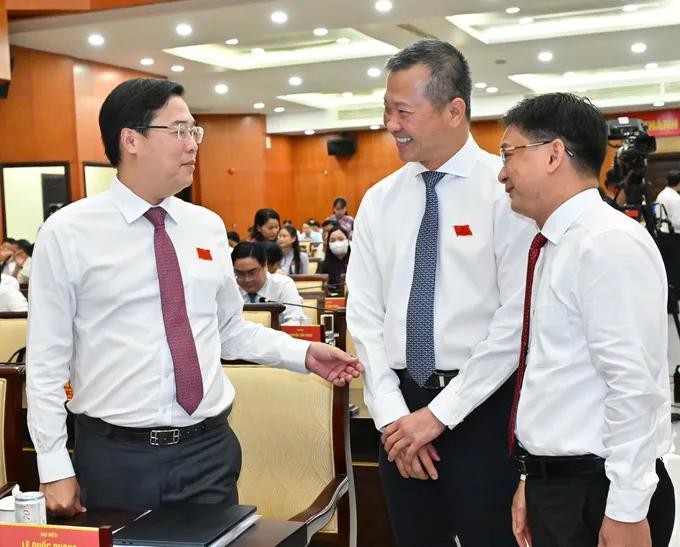
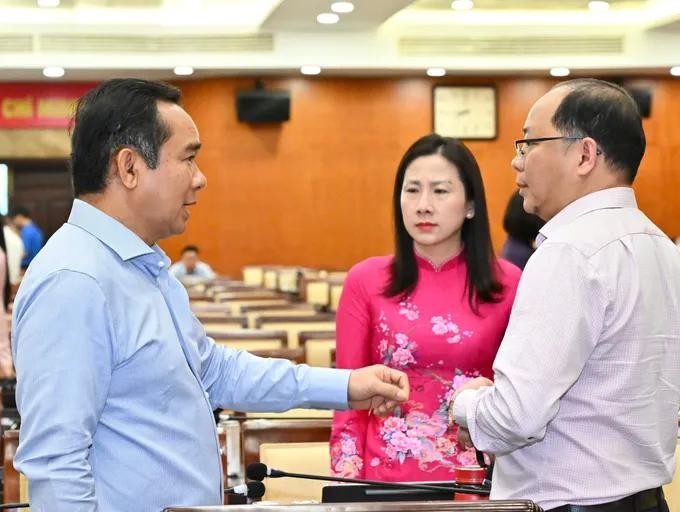
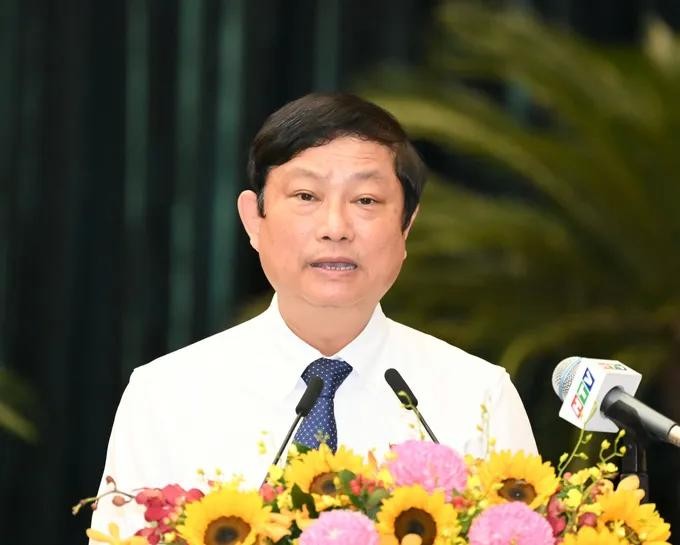
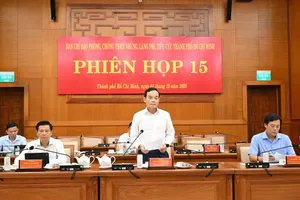
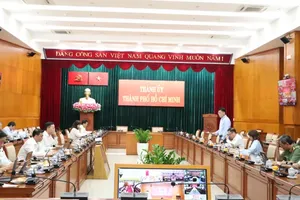
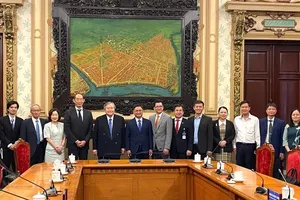
On June 19, the 11th Ho Chi Minh City People’s Council for the 2026-2031 term convened its third session and adopted a number of key resolutions.
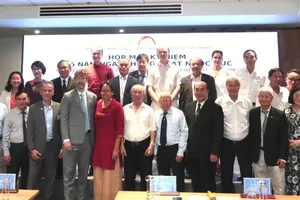
Attendees included Deputy Head Bui Thi Quynh Tho of the National Assembly’s Committee for Delegate Affairs. City leaders present were Permanent Deputy Secretary of the Ho Chi Minh City Party Committee Le Quoc Phong, Chairman Nguyen Van Duoc of the Ho Chi Minh City People’s Committee, Chairman Vo Van Minh of the Ho Chi Minh City People’s Council, Deputy Secretary Van Thi Bach Tuyet of the city Party Committee, Vice Chairman Nguyen Manh Cuong of the city People’s Committee, Deputy Head Vo Ngoc Thanh Truc of the HCMC National Assembly Delegation and Permanent Vice Chairwoman Truong Thi Bich Hanh of the Vietnam Fatherland Front Committee in Ho Chi Minh City.
City pushes to expand public transportation
Opening the session, HCMC People’s Council Chairman Vo Van Minh said the meeting was held at a significant moment for the city as authorities and residents prepare to celebrate the 50th anniversary of Saigon–Gia Dinh officially being renamed in honor of President Ho Chi Minh. The session also marked one year since the city began operating under a two-tier local government model.
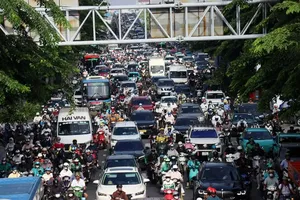
At the session, Vice Chairman of the People’s Committee Nguyen Manh Cuong presented several proposals, including social welfare policies and key projects expected to break ground during the anniversary celebrations. Presenting a draft resolution on supporting public bus users, he said the policy aims to help residents cope with rising fuel costs while encouraging greater use of public transport to reduce traffic congestion, accidents and environmental pollution.
During discussions, delegate Do Thi Minh Quan, Party Secretary and Chairwoman of the People’s Council of Binh Quoi Ward, expressed strong support for subsidizing 100 percent of bus fares. However, she raised concerns that the free-fare program would only be implemented for six months.
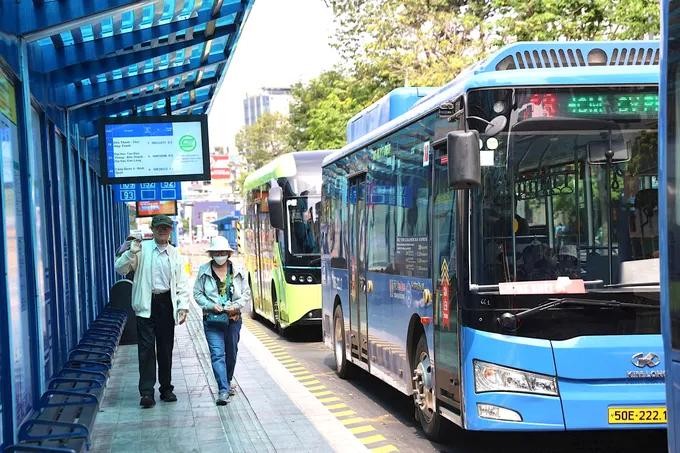
In response, Director Tran Quang Lam of the Ho Chi Minh City Department of Construction said the policy was developed based on extensive research and international experience. Rather than applying it broadly and indefinitely, the city would focus on urban bus routes and implement the measure for a defined period.
He added that the city would simultaneously improve service quality through upgrades to vehicles, infrastructure, technology and customer service. The draft resolution also requires periodic and comprehensive evaluations of the policy to allow adjustments that best support development of the bus network.
Following discussion, delegates voted to approve the resolution.
Major infrastructure projects approved
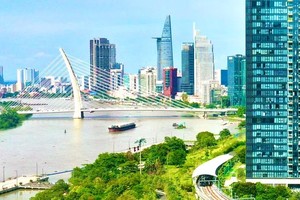
In addition to the free bus fare policy, delegates approved the investment policy for the urban redevelopment project covering the Ma Lang and Cho Ga-Gao areas in Cau Ong Lanh Ward and Ben Thanh Ward under a public-private partnership (BT contract).
The project carries a total investment of more than VND16.369 trillion and will be implemented between 2026 and 2029. Construction is scheduled to begin in the third quarter of 2026, be completed in the fourth quarter of 2028 and enter operation in 2029.
The project is intended to improve residents’ living conditions, upgrade urban landscapes and architecture, and contribute to the city’s social welfare goals. Nguyen Cong Danh, head of the council’s Economic and Budget Committee, said temporary housing arrangements must be ensured for affected households during implementation.
In the transport sector, the council also approved investment in a sea-crossing road linking Ho Chi Minh City and the former Ba Ria-Vung Tau Province under a BT contract.
The road will extend more than 14 kilometers with six lanes and require nearly VND93.16 trillion in investment, fully financed by the investor. Once completed, travel time between the two areas is expected to be reduced from about 90-120 minutes to 15-20 minutes, supporting coastal urban development, tourism, logistics and easing pressure on National Highway 51.
The council also approved the investment policy for the Ho Tram–Long Thanh International Airport urban expressway under a BT contract. The route will span more than 42 kilometers with six expressway lanes and an estimated investment of more than VND46.9 trillion. The project is expected to be carried out from 2026 to 2029.
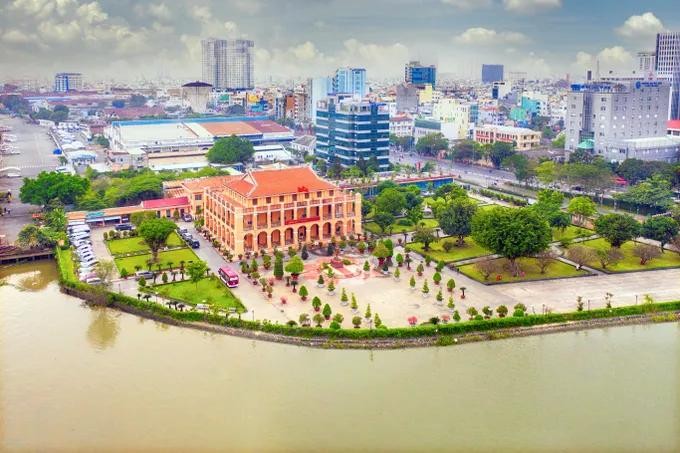
Another approved project is the Ben Nha Rong–Khanh Hoi Cultural Park and Bach Dang Waterfront Public Green Space, also under a public-private partnership model. The project has a total investment of approximately VND29.317 trillion, with the investor providing 100 percent of the funding.
Alongside development investments, the People’s Council approved several social welfare measures, including appreciation gifts for non-specialized commune-level personnel and grassroots workers affected by administrative restructuring and the reorganization of residential communities, as well as allowances and operational funding support for grassroots personnel under the new governance model.
)