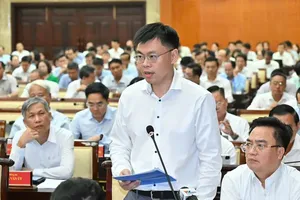
This proposal is slated for review today, June 19, during the third session of the 11th Ho Chi Minh City People's Council for the 2026–2031 term.
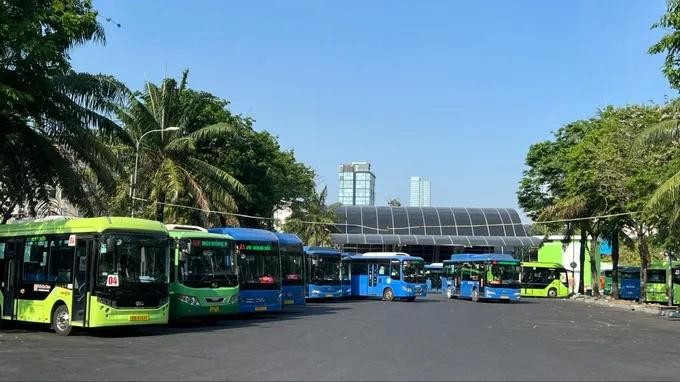
According to the proposal, the estimated budget for implementing this policy during the final six months of 2026 is approximately VND665 billion (US$25.25 million). Of this total, roughly VND454 billion is allocated for 109 bus routes currently receiving municipal budget subsidies, while about VND211 billion is earmarked for 26 non-subsidized routes.
The fare-free policy will be rolled out in two phases. In the first phase, from July through September 2026, the city will provide a 100 percent fare subsidy based on a fixed revenue-per-trip model. During this period, passengers can ride buses for free without mandatory identity verification, and transport operators will be compensated based on the fixed revenue quotas of their trips rather than actual passenger volume.
Throughout this phase, the city will increase its use of technology to monitor transit operations, utilizing GPS systems to track trip frequency, onboard cameras to monitor service quality, and electronic ticketing systems to record passenger data. Passengers are still encouraged to use identity verification and interact with electronic ticket machines to assist with management efforts.
In the second phase, from October through December 2026, once the electronic ticketing system is fully stabilized, Ho Chi Minh City will transition to an "actual pay, actual spend" mechanism, where compensation is based on the actual number of passengers using the service. During this phase, all passengers will be required to authenticate their identity using bank cards, e-wallets, the MultiGo application, VNeID, or other cashless payment methods integrated into the electronic ticketing system. Data captured by the system will serve as the basis for the government to reimburse transport operators for fare costs.
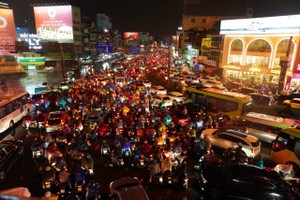
According to the Ho Chi Minh City People's Committee, the fare-free policy aims to incentivize the use of public transportation. The initiative is expected to contribute to traffic congestion reduction, lower carbon emissions, and gradually foster a habit of bus travel among residents across the city.