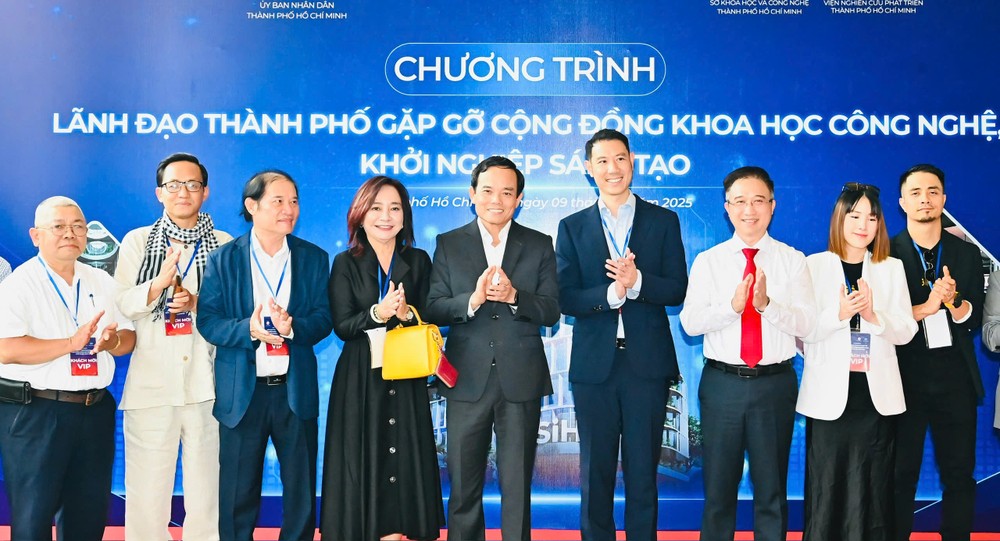
The Steering Committee for Science, Technology, Innovation, and Digital Transformation Development in HCMC announced the issuance of a plan to implement Politburo Resolution 57 on breakthroughs in the development of science, technology, innovation, and national digital transformation in HCMC in 2026 on February 24.
Under the plan, HCMC will prioritize the completion of digital infrastructure, data infrastructure, and cybersecurity systems. The city aims to ensure 5G coverage for 95 percent of the population and 100 percent coverage in major urban areas, science and technology parks, industrial zones, high-tech parks, seaports, airports, and logistics centers. It will also research, develop, and pilot 6G technology in selected areas across the city.
At the same time, HCMC will accelerate digital transformation in State governance, provide fully online public services, and enhance the quality and efficiency of digital government operations, moving toward a comprehensive digital administration.
The plan clearly identifies the development of high-quality human resources, particularly in digital and high technologies, as a key priority, alongside efforts to strengthen digital capacity among civil servants and public employees.
Regarding priority tasks and solutions for 2026, HCMC will continue reviewing and refining mechanisms, policies, and legal frameworks, eliminating barriers that hinder the development of science, technology, innovation, and digital transformation, and turning institutions into a competitive advantage.
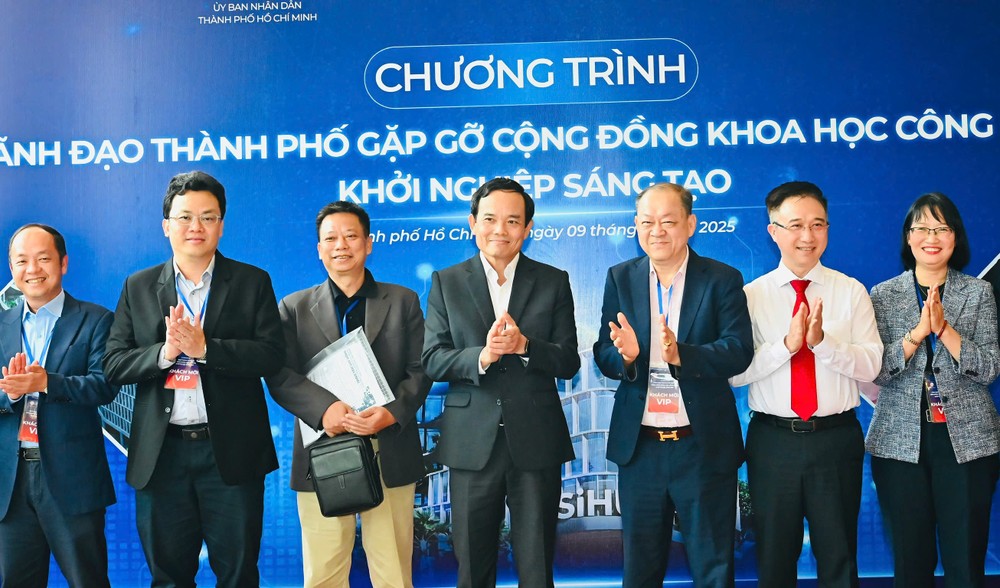
In parallel, the city will operationalize a venture capital fund, introduce sandbox mechanisms to pilot emerging technologies, and implement preferential policies to attract high-tech enterprises, startups, and foreign investment.
HCMC will propose a dedicated public procurement mechanism for science, technology, and digital transformation, prioritizing speed, technological suitability, and risk-acceptance mechanisms to address existing procurement bottlenecks. It will also pilot mechanisms to commercialize research outcomes and intellectual property funded by the State budget.
The city will continue to strengthen investment in and upgrade infrastructure for science, technology, innovation, and digital transformation. Notably, it plans to pilot sandbox zones for unmanned aerial vehicles (UAVs) applied in logistics and urban monitoring.
HCMC will attract and effectively utilize high-quality human resources and top talent to meet development demands in science, technology, innovation, and digital transformation. Accordingly, each field will designate a leading expert—serving as a chief architect—to advise and support city leaders in addressing specialized issues within their respective domains.
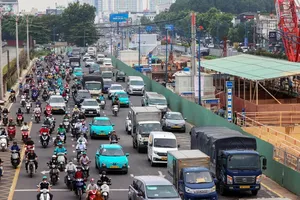
Simultaneously, the city will intensify the application of digital technologies, big data, and shared digital platforms to tackle pressing challenges, such as traffic congestion, urban flooding, environmental pollution control, and the building of a “Civilized City – Drug-Free City.”
HCMC will also implement the project to “connect Southeast regional technology exchanges,” forming an integrated science and technology market network, with priority given to commissioning tasks that address urgent issues in high-tech agriculture, agricultural processing, environmental protection, healthcare, education, culture, and tourism.
In addition, projects and programs related to strategic technologies will be deployed under a “triple-helix” model, mobilizing domestic and international experts, scientists, chief engineers, and chief architects to participate in research and development processes.


)