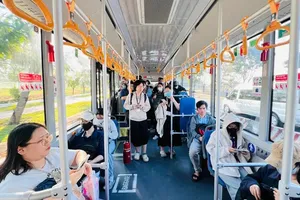
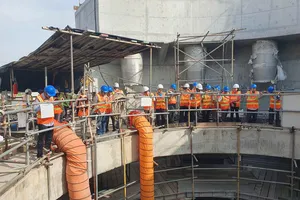
The Ben Thanh – Thu Thiem metro line will span approximately 6–6.2 kilometers and be built entirely underground, with six stations.
The route will start at Ben Thanh Station, run beneath Ham Nghi Street, cross the Saigon River, and connect to the Thu Thiem New Urban Area in An Khanh Ward, continuing along Mai Chi Tho Boulevard to its terminal station.
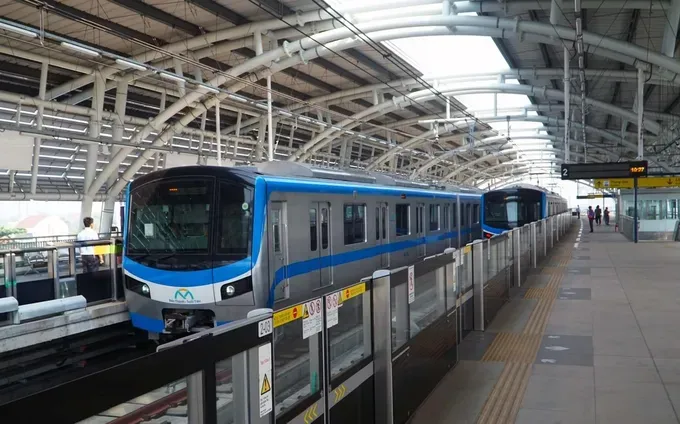
With a total investment of around VND46.3 trillion (US$1.8 billion), the project is proposed under a public-private partnership (PPP) model using a build-transfer (BT) contract. The investor is Dai Quang Minh Real Estate Investment Joint Stock Company. Construction is expected to be completed by 2030, in alignment with other metro lines in the city’s urban railway network.
According to city authorities, the Ben Thanh – Thu Thiem metro line will play a pivotal role in linking the existing urban core with Thu Thiem New Urban Area, envisioned as an international financial and commercial hub. The line will also integrate with strategic transport corridors such as Metro Line No. 2 and the Thu Thiem – Long Thanh railway, enhancing connectivity to Tan Son Nhat International Airport and Long Thanh International Airport.
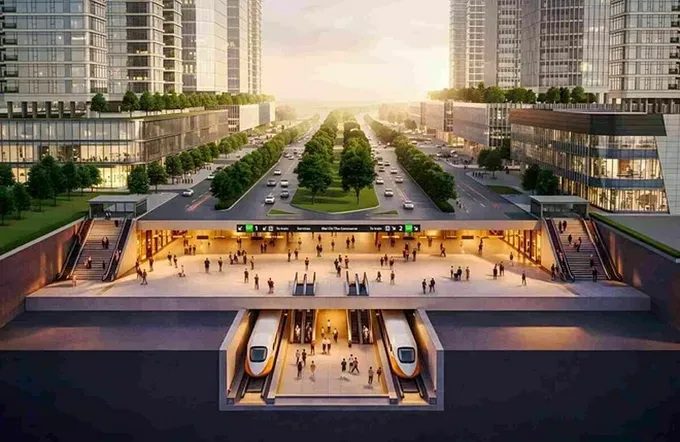
The project is expected to help ease traffic congestion in the city center, particularly along key routes such as the Thu Thiem Tunnel and Saigon Bridge, while boosting socio-economic development and strengthening the city’s competitiveness.
The investor noted that preparatory work, including pre-feasibility studies, technical proposals, and resource mobilization plans, has been underway. The project also aims to gradually master technology and increase localization in urban railway development.
The launch of the Ben Thanh – Thu Thiem metro line, along with other major infrastructure projects initiated during the National Reunification (April 30) holiday period, underscores the city’s determination to accelerate strategic infrastructure investment and lay the groundwork for long-term growth.
Once completed, the line will contribute to the development of a 187-kilometer urban railway network, opening up new growth space in the eastern part of the city and advancing the vision of building a modern, sustainable and highly competitive metropolis.