The city will also study the application of 3D mapping technology to enhance the value of the urban landscape, promote the image of a modern and dynamic city, and foster the development of the nighttime economy.
On June 18, Mr. Le Ngoc Linh, Deputy Director of the Ho Chi Minh City Department of Construction, announced that the department had issued a plan for artistic lighting activities across the city through 2028.
Under the plan, the city will focus on enhancing and highlighting architectural works, public spaces, and key transportation corridors, helping create distinctive nighttime landmarks while meeting the cultural and recreational needs of residents and visitors.
For iconic structures that have already been equipped with lighting systems, the city will repair, replace, and upgrade lighting equipment, as well as develop additional light-show scenarios to increase their attractiveness and draw more residents and tourists for sightseeing and enjoyment.
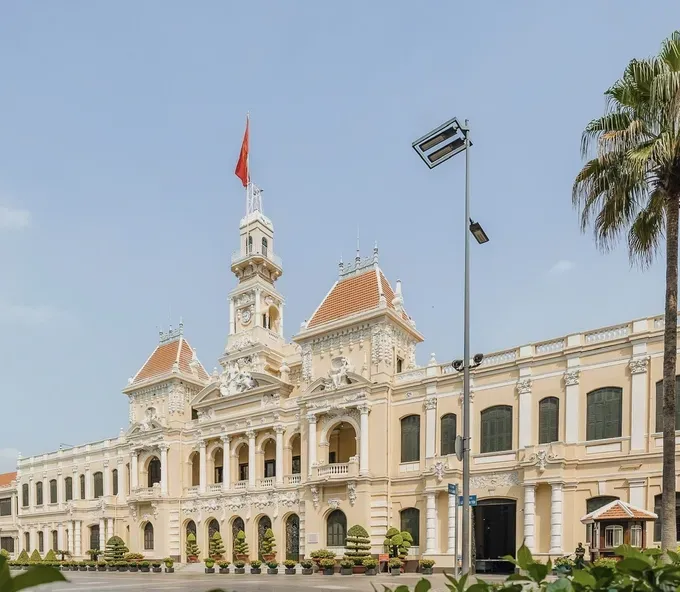
The list of featured sites includes the Ho Chi Minh City People’s Committee Headquarters, the Central Post Office, the Municipal Opera House, the Ho Chi Minh City State Treasury, the Ho Chi Minh City Museum of Fine Arts, the Ton Duc Thang Museum, the Thu Ngu Flagpole, Ba Son Bridge, Mong Bridge, the City Children’s House, and the Ho Chi Minh City Museum.
The Department of Construction has assigned the Ho Chi Minh City Road Traffic and Technical Infrastructure Management Center to coordinate with relevant agencies in conducting surveys and proposing investment scales, funding sources, and project investors for lighting system upgrade projects at several key facilities during the 2026–2028 period.
Notably, Ho Chi Minh City will study the implementation of 3D mapping projections on the façades of architectural landmarks in connection with historical and cultural events during major holidays and festivals. Proposed venues include the Ho Chi Minh City People’s Committee Headquarters, the Central Post Office, the Municipal Opera House, the Ho Chi Minh City State Treasury, the Ho Chi Minh City Museum of Fine Arts, the City Children’s House, and the Ho Chi Minh City Museum.
In addition, the city will assess the feasibility of investing in artistic lighting, decorative lighting, and interactive lighting installations at public spaces such as April 30 Park, Tao Dan Park, riverfront, and canal-side areas where embankment projects have been completed. The plan also covers heritage and cultural sites, including Giac Lam Pagoda, Ben Thanh Market, Binh Tay Market, and Lang Ong Ba Chieu (ancient tomb of Le Van Duyet, a high-ranking Mandarin of the Nguyen Dynasty, recognized as a national historical and cultural relic in 1989), as well as gateway roads and major bridges.
According to the Department of Construction, the implementation of these projects must align with urban planning objectives, promote energy efficiency, protect the environment, and preserve the original values of heritage structures. The initiative is expected to contribute to building the image of Ho Chi Minh City as a modern, attractive, and culturally distinctive metropolis after dark.





)