Effective July 1, Ho Chi Minh City began implementing the 2025 Construction Law, which expands exemptions from building permit requirements and reduces the maximum processing time for permits for detached houses to seven working days.
Although the reforms are intended to improve administrative efficiency, local authorities warn that the compressed timeline poses challenges for applications that require additional legal and land-use verification.
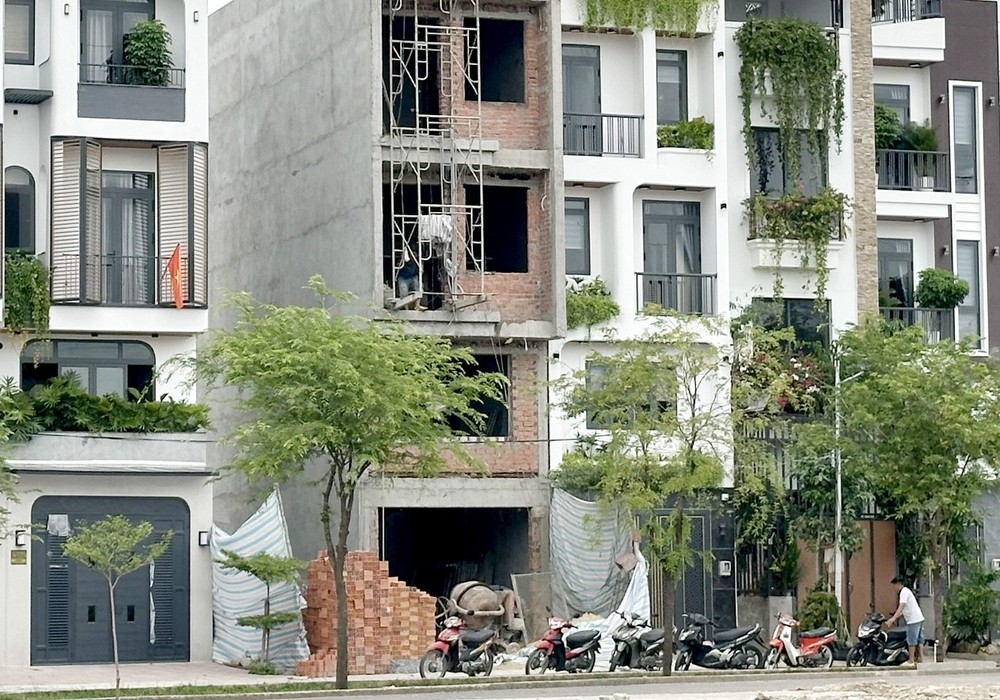
Le Van Nghia, a resident of Tan Vinh Loc Commune, said he recently applied for a building permit online through the national public service portal after receiving guidance from commune officials. He received a notification that his application had been approved within seven days.
According to Truong Ngoc Thanh Nhan, Vice Chairman of the Tan Vinh Loc Commune People's Committee, the commune received 24 building permit applications under the new regulations between July 1 and July 15 and had processed nine of them.
Applications involving land that has yet to receive a land use rights certificate, however, often require additional verification, making it difficult for authorities to meet the seven-working-day deadline. These cases typically involve handwritten property transfer agreements, pre-1993 housing registration documents, or inheritance and gift records.
Truong Ngoc Thanh Nhan, Vice Chairman of the Tan Vinh Loc Commune People's Committee, said the shortened timeframe also leaves less time to verify land-related financial obligations before issuing permits. He called on the Ho Chi Minh City Department of Construction to issue detailed procedures for handling such applications to ensure compliance with both construction and land laws.
Authorities in Vung Tau Ward voiced similar concerns, saying that reducing the permit processing period from 14 working days to seven benefits residents but places considerable strain on local agencies.
The ward receives around 45 to 50 building permit applications each month, while staffing levels have remained unchanged, increasing the risk of administrative backlogs.
Post-construction inspections take center stage
Along with shortening permit processing times, the 2025 Construction Law expands the categories of projects eligible for exemption from building permits.
To facilitate implementation, the Ho Chi Minh City Department of Construction has sought feedback from local governments on draft regulations specifying which types of construction projects will qualify for permit exemptions.
Nguyen Hung Cuong, Head of the Economic, Infrastructure and Urban Management Division of Phuoc Thang Ward, said the ward supports the new policy, describing the shift from pre-construction approval to post-construction inspection as consistent with Vietnam's administrative reform agenda and efforts to improve the effectiveness of state management.
However, he stressed that the city should issue detailed guidance on the scope of the exemptions, inspection procedures and the responsibilities of agencies responsible for post-construction supervision to ensure consistent implementation.
Officials in Tan Nhut Commune also emphasized the need to complete new urban planning schemes and architectural management regulations as soon as possible. Once those plans are finalized, local authorities will focus on ensuring compliance with planning regulations, while property owners will only need to register or notify authorities before starting construction. Government agencies would then strengthen post-construction inspections instead of relying primarily on permit reviews.
Under the draft regulations, detached houses of fewer than seven stories with a total floor area of less than 500 square meters, located in areas covered by approved architectural management regulations, detailed 1:500 zoning plans or approved urban design plans, would be exempt from building permit requirements. Individuals and organizations would instead submit a construction registration or commencement notice to the commune-level People's Committee before beginning construction.









)