In the current context, grassroots propaganda and mass mobilization work has undergone a significant transformation, shifting toward a model of communication, public guidance, and consensus building.
The ideological front is no longer confined by geographical boundaries, requiring propaganda and mass mobilization officials to acquire new competencies to adapt effectively. Above all, they must possess firm political conviction; remain closely connected to realities on the ground, and master digital technologies.
Turning resolutions into stories that resonate with the people
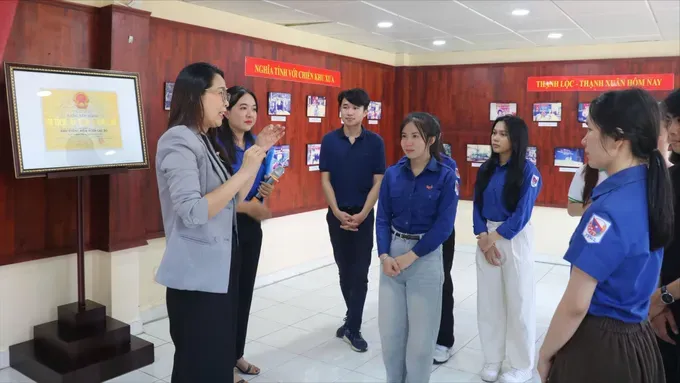
Ms. Pham Thi Thanh Tuyen, Deputy Director of the Public Service Center of Thoi An Ward in Ho Chi Minh City, is putting the finishing touches to a script introducing the Vuon Cau Do (Red Areca) Garden Memorial Historical Site for an upcoming tour by members of the Ho Chi Minh Communist Youth Union. She carefully reviews each story about the area's history, its people, and its revolutionary traditions, refining the wording to ensure it is concise, memorable, and factually accurate.
In charge of culture, information and communications, as well as heritage preservation and promotion, Tuyen believes that every community activity, guided tour, or communication product serves as a channel for conveying the Party's guidelines and the State's policies to the public. She noted that many Party resolutions and policy directives contain highly specialized content, requiring propaganda and mass mobilization officials to fully understand them before translating them into clear, accessible messages that are closely connected with people's daily lives.
Today, citizens do not merely want to know the content of a policy; they want to understand why it is necessary, how it affects them, and what benefits it brings to their daily lives. Simply reading policy documents verbatim will hardly generate public consensus, Ms. Tuyen shared.
Therefore, throughout her propaganda efforts, Ms. Tuyen frequently selects concrete examples from administrative reform, digital transformation, social welfare, cultural development, and local models currently being implemented. Through these real-world stories, residents can clearly witness the tangible impacts and positive changes that resolutions bring directly to their neighborhoods and everyday lives.
This relatable approach to conveying information is also being adopted across many localities. In Tan Hoa Ward, details regarding free health check-up campaigns were transformed from lengthy official documents into concise infographics and shared via neighborhood Zalo groups. Instead of plowing through a wall of text, residents can instantly access the time, location, and essential details they need.
Swifting in the digital space, rooting in the grassroots
Technology has enabled information to reach the public more quickly, but it has also placed greater demands on propaganda officials in terms of accuracy and the ability to process information effectively.
According to Ms. Tran Thi Tuyet Hanh, Standing Deputy Head of the Party Building Committee under the Party Committee of Cho Lon Ward, information disseminated in cyberspace must be both accurate and timely. Even a minor factual error or an ambiguous expression can lead to misunderstanding, creating opportunities for misinformation and distorted narratives to spread. Therefore, before a new document is published on digital platforms, every detail, from its reference number, issuance date, and title to the choice of wording, is carefully reviewed.
In Cho Lon Ward, home to a large ethnic Chinese community, propaganda officials are expected to have a thorough understanding of the local area and the characteristics of different population groups. In addition to leveraging digital platforms, they also work closely with neighborhood groups, traditional Chinese assembly halls, and respected community figures to deliver information in ways that are accessible and appropriate for each audience.
Drawing on these practical experiences, Hanh believes that today's grassroots propaganda officials must do more than thoroughly understand the Party's guidelines and policies, as well as the State's laws and regulations. They must also be responsive to shifts in public opinion, proficient in digital technologies, and closely attuned to local realities. Equally important is the ability to determine which information should be disseminated immediately, which issues require more in-depth explanation, when social media is the most effective communication channel, and when direct engagement and dialogue with the public are more appropriate.
“When propaganda officials understand the people, stay close to the people, and communicate in language that is accessible and easy to understand, Party guidelines and resolutions are not only effectively disseminated but are also more readily translated into public consensus and concrete action,” Ms. Hanh emphasized.
Head of the Propaganda and Mass Mobilization Commission of the Ho Chi Minh City Party Committee, Duong Anh Duc, noted that despite the emergence of many modern propaganda methods, face-to-face propaganda, together with the network of reporters and propaganda officers, continues to serve as a vital bridge for disseminating Party policies, raising public awareness, strengthening public confidence, and fostering broad social consensus.
Reporters and propaganda officers are the vanguard on the ideological front, bringing the Party's theoretical foundations to the public and translating its resolutions into concrete action. They also serve as attentive listeners, monitoring public sentiment, anticipating emerging issues, and understanding the concerns and aspirations of officials, Party members, and people from all walks of life, so that these can be promptly reported to Party committees and relevant authorities at all levels. It is this two-way role that enables face-to-face communication to retain its directness, close connection with the people, and distinctive persuasive power in Vietnam's political and social life.
According to head of Neighborhood No.22 in Binh Thanh Ward, Ho Chi Minh City, Dinh Xuan Cuong, the rapid pace of digital transformation and the application of artificial intelligence (AI) in propaganda work have opened up new, modern, effective, and relatable communication channels for residents. Leveraging today's technology platforms, lengthy and complex documents can easily be converted into engaging, easy-to-understand infographics and short videos.
Practical experience in Neighborhood No. 22 demonstrates that applying AI to propaganda work has yielded numerous positive results. Digital media products are produced promptly in diverse formats and widely disseminated across digital platforms and social media. This has helped convey guidelines and resolutions more effectively to officials, Party members, union members, organization members, and the broader public.

Secretary of the Party Committee and Chairwoman of the People's Council of Binh Quoi Ward, Ho Chi Minh City, Do Thi Minh Quan, emphasized that innovating propaganda work must begin with revamping the propaganda personnel. Each publicity officer must serve not only as a communicator of Party guidelines, but also as a connector who listens to, guides, and fosters consensus among residents. Achieving this requires systematic investment in training and upgrading skills in digital communication, technology integration, and information processing within the new context.
At the local level, the authorities mandate that 100 percent of personnel working in propaganda, mass mobilization, the Fatherland Front, and socio-political organizations undergo training in digital media skills, AI application for content creation, public opinion analysis, and enhancing interaction with residents. Particular emphasis is placed on developing skills to counter toxic information, as well as identifying fake news and disinformation online, she added.
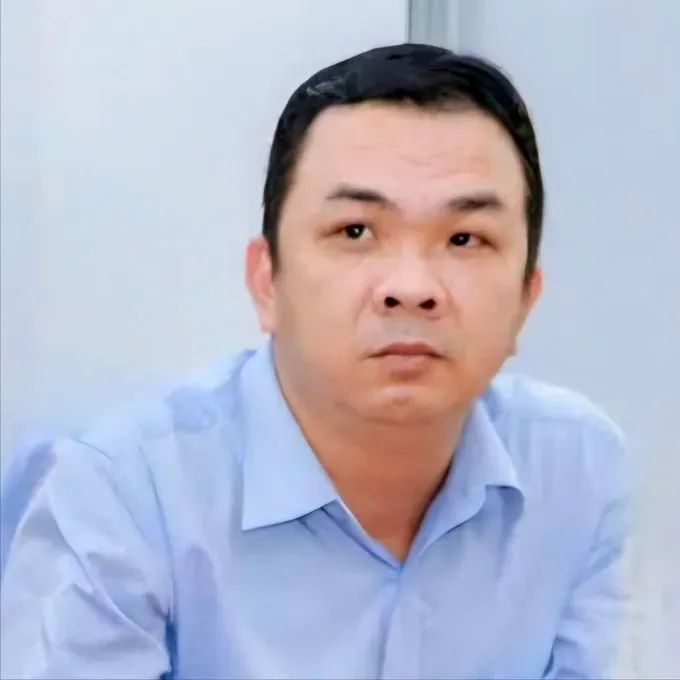
Deputy Head of the Party Building Committee of Phu Nhuan Ward, Ho Chi Minh City, Ho Thanh Tuan, noted that in cyberspace, fake news and disinformation are often sophisticatedly disguised and spread at breakneck speed, demanding timely explanations and rebuttals. However, grassroots officials require time to coordinate with specialized units to verify accounts and facts, as well as seek leadership approval before issuing official statements. This lag sometimes leaves official news at a disadvantage against rumors.
Therefore, grassroots propaganda officials must possess firm political conviction and proactively monitor official sources to build a solid foundation for timely and effective counter-narratives against toxic information. At the same time, they must leverage their core role in driving collective efforts to amplify positive narratives, thereby building community consensus and understanding.


)