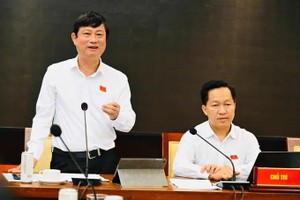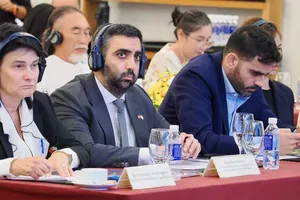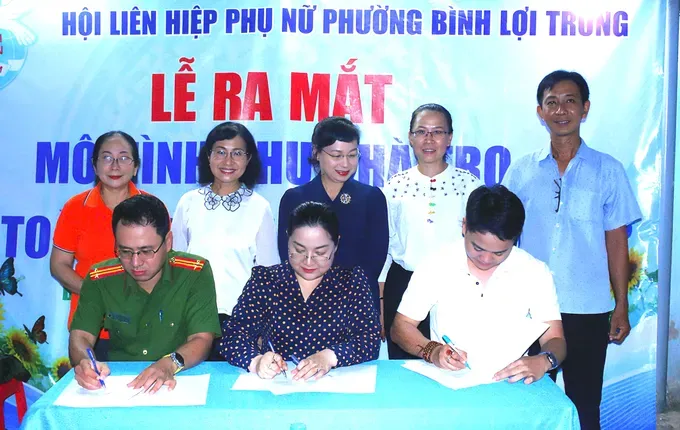
At the conference, delegates shared successful models and effective approaches while discussing difficulties and obstacles encountered during implementation.
According to several delegates, since the model was introduced, many rental housing complexes have displayed internal regulations and emergency hotline numbers, installed security cameras, equipped their premises with fire prevention and firefighting equipment, and established self-managed security teams and volunteer firefighting teams. These measures have helped reduce safety risks and prevent crime and domestic violence.

Many rental housing complexes have also organized activities to support children in accessing education and healthcare, provided legal consultations, and developed green and clean living spaces.
However, delegates noted that the activities of some self-managed teams remained largely formalistic. Inspections and efforts to sustain the model after its official recognition had not been carried out regularly. The handling of emergency reports sometimes remained inadequate, while coordination mechanisms in some localities lacked consistency.
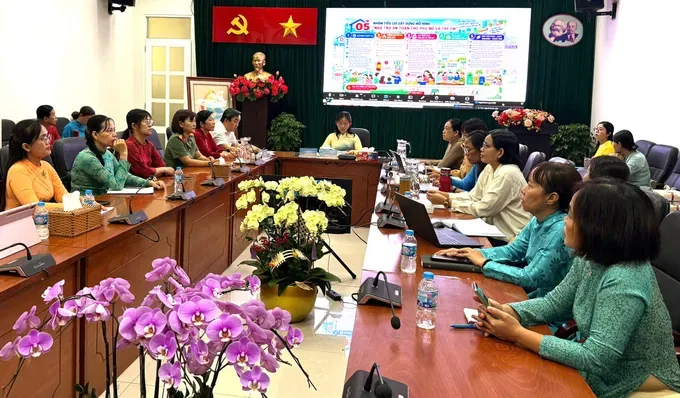
According to the Ho Chi Minh City Women's Union, the city has so far established 194 “Safe Rental Housing for Women and Children” models across 128 communes and wards.
To improve their effectiveness, the union called on local women's unions to shift their focus from the number of models established to their actual quality, placing greater emphasis on sustaining operations and conducting regular inspections rather than simply launching new models.