He also urged a review of funding needs, prioritizing urgent projects that strengthen connectivity, generate broad development impacts, and contribute to the city's development goals.
Ensuring transparency, openness, and accountability
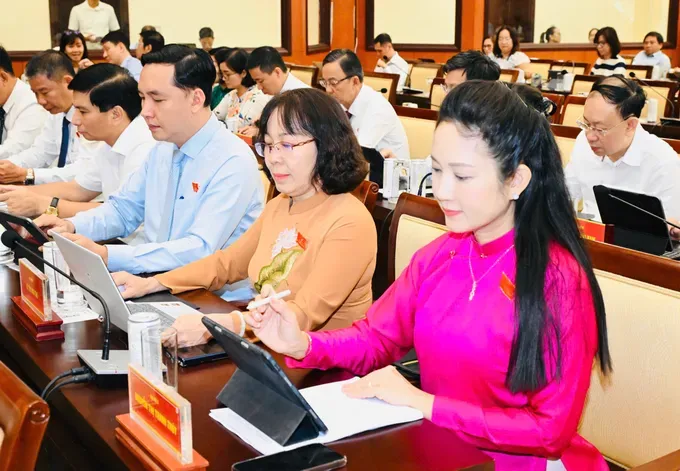
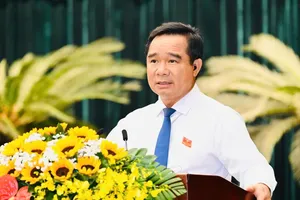
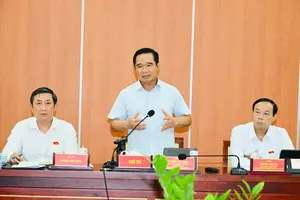
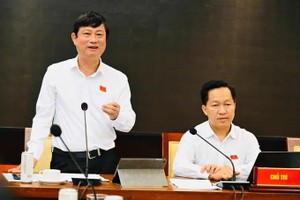
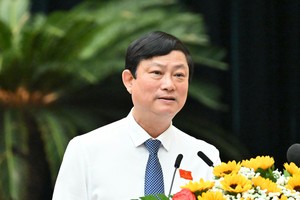
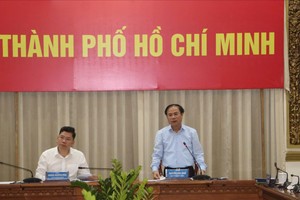
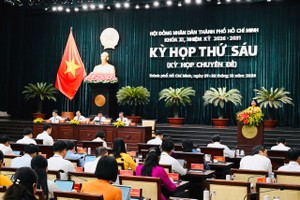
Chairman of the Ho Chi Minh City People's Council Vo Van Minh said the council had considered and decided on a range of important matters at the session. Among them, the Ho Chi Minh City Master Plan for 2025-2050, with a 100-year vision, provides a key foundation for shaping the city's development space, organizing key growth areas, connecting infrastructure, and guiding resource allocation.
He called on the municipal People's Committee to promptly translate the approved master plan into programs, plans, and implementation roadmaps suited to each phase, while clearly identifying priority tasks, key infrastructure projects, resources, and the responsibilities of each agency and unit.
Departments, agencies, and local authorities across the city's 168 wards, communes, and special administrative zone should also proactively review the tasks under their respective jurisdictions, ensuring that decisions on land, investment, infrastructure, and urban development are consistent with the master plan.
In particular, the municipal People's Committee must translate the resolutions implementing the Law on Urban Development, adopted by the Ho Chi Minh City People's Council, into concrete programs and implementation plans, clearly identifying the lead agencies, coordinating bodies, assigned tasks, and completion deadlines.
In applying the new mechanisms, the city must ensure openness, transparency, and accountability while safeguarding the lawful and legitimate rights and interests of residents and businesses.
Resettlement must be a key priority
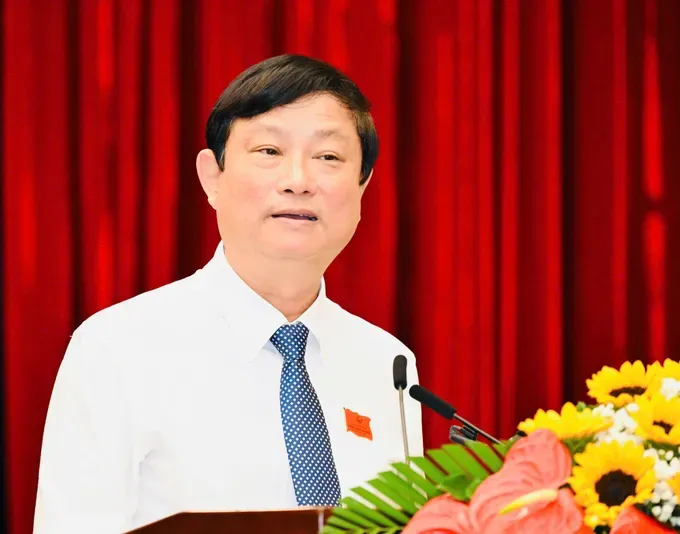
Regarding resolutions on the budget, public investment, investment policy decisions, and adjustments to investment policies for projects, the Chairman of the Ho Chi Minh City People's Council called for resources to be used for the right purposes and directed towards clearly defined priorities and key areas. He also stressed the need to strengthen accountability throughout the preparation, implementation, and operation of works and projects.
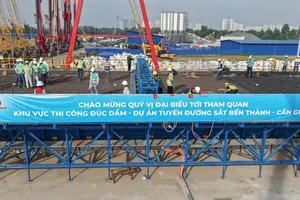
The Ho Chi Minh City People's Committee should continue to direct reviews of project progress, implementation capacity, and funding needs to ensure that investment capital is allocated and adjusted in line with implementation capacity and investment efficiency. The city should prioritize urgent projects that strengthen connectivity, generate broad development impacts, and directly contribute to its development goals, while striving to disburse 100 percent of planned public investment capital in accordance with the Government's directives.
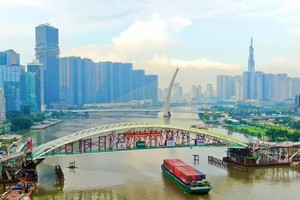
The council chairman called for urgent and focused action at every stage of urban improvement and canal and waterway environmental rehabilitation projects, from investment preparation and project approval to compensation, support, resettlement, site clearance, and construction. Resettlement, he stressed, must be treated as a key priority.
The municipal People's Committee must strengthen oversight of each project's total investment, schedule, quality, and effectiveness. Proposals to adjust investment policy decisions must be carefully reviewed and handled in accordance with the proper authority and regulations.
He affirmed that the Standing Committee of the Ho Chi Minh City People's Council would continue coordinating with the municipal People's Committee and relevant agencies to monitor, urge, and oversee the implementation of resolutions. It would also promptly consider and recommend solutions to emerging issues within its authority, particularly delays that could undermine the effective use of resources or affect residents' legitimate rights and interests.
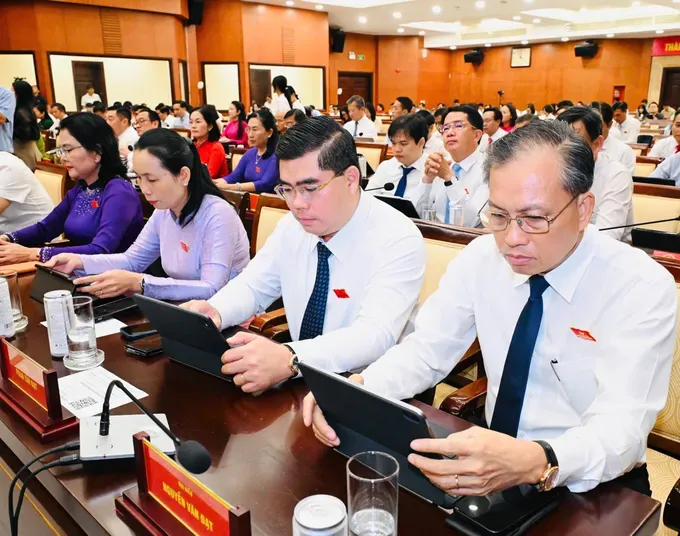
Regarding the city's tasks for 2026, the council chairman stressed that much work remained, particularly efforts to achieve the highest possible level of socio-economic development targets and maintain double-digit economic growth. The city must simultaneously implement multiple new mechanisms and policies while laying the groundwork for its next phase of development.
Noting that all resolutions adopted at the session were aimed at unlocking resources, improving governance efficiency, and enhancing residents' quality of life, the chairman expressed confidence that they would soon deliver practical results. Their implementation, he said, would help remove bottlenecks, mobilize resources, and generate fresh momentum for the city's development.
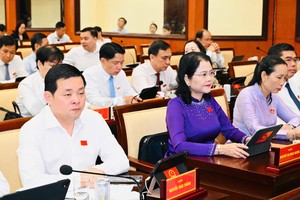
The session adopted 47 resolutions, including 29 normative resolutions and 18 individual resolutions. Of these, 17 set out specific measures to implement mechanisms and policies under the Law on Urban Development, helping complete the legal framework and enabling the city to proactively tap its potential and resources for socio-economic development.