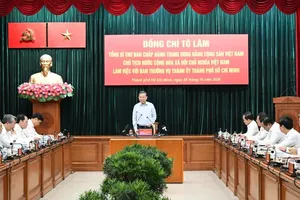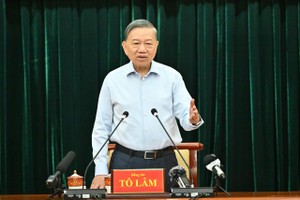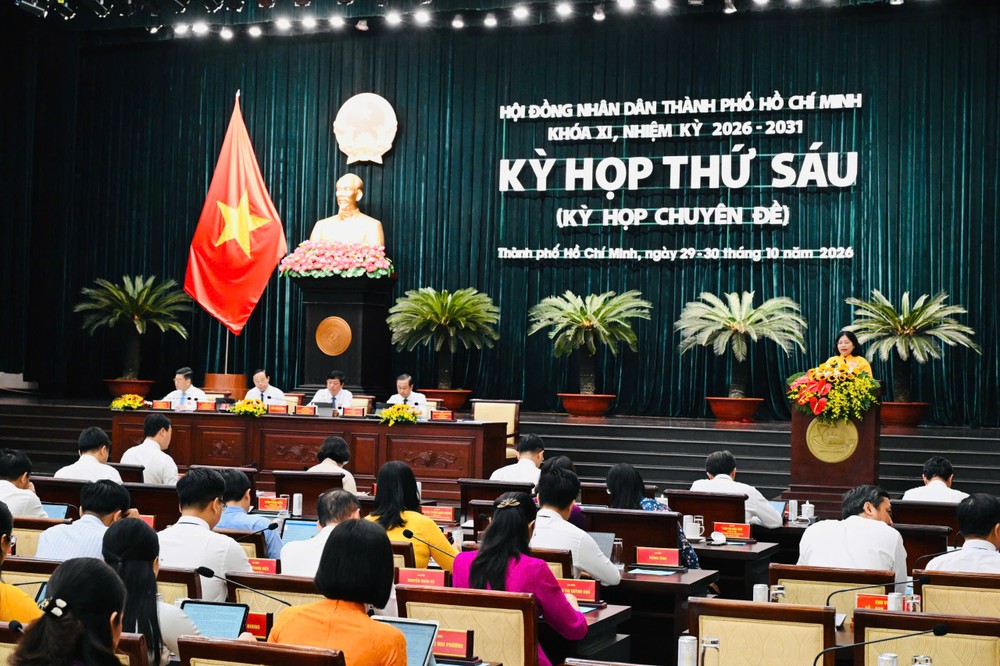
The session will continue to consider and decide on a range of issues aimed at translating the provisions of the Law on Urban Development into mechanisms and policies suited to practical conditions, alongside other important matters.
Running for one and a half days, from October 29 through the morning of October 30, the session is expected to consider 47 submissions. A key item on the agenda is the proposed approval of the overall master plan for Ho Chi Minh City for the 2025-2050 period, with a 100-year vision.
The council will also consider regulations on the issuance of local government bonds, project bonds, construction bonds, and urban bonds, as well as green bonds and borrowing from domestic financial institutions to mobilize resources for the city’s investment projects.
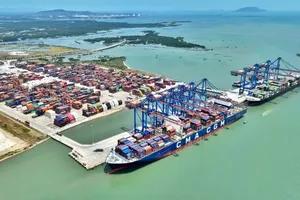
Other items include regulations on the list of marine economic sectors eligible for preferential treatment and support under Article 39 of the Law on Urban Development; the establishment of a free trade zone and an integrated logistics zone; and the issuance of urban bonds and construction bonds at the Vietnam International Financial Center to raise capital for the city’s key projects.
The session will also consider mechanisms and policies to attract, recruit, retain and develop high-quality human resources and talented individuals working at agencies, organizations, units and enterprises in the city. It will review regulations on the hiring, recruitment and appointment of heads of public service units and managers of state-owned enterprises under the city’s management.
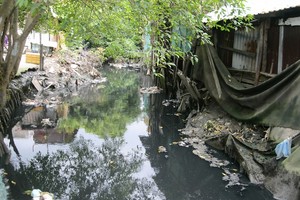
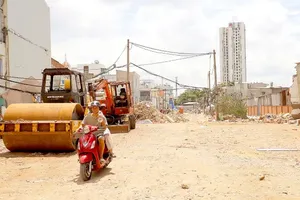
In addition, the council is expected to consider investment proposals for upgrading and expanding the Phan Anh-An Duong Vuong road corridor and developing infrastructure and improving the environment along Ba Tang Canal. It will also review proposed adjustments to the investment policies for several urban improvement projects across the city.