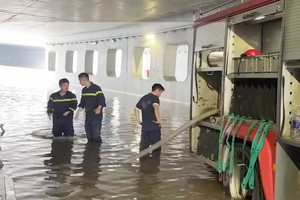
It aims to proactively respond to natural hazards that can cause significant damage in the aftermath of storms and flooding.
The decision is based on complex meteorological forecasts, with the El Niño-Southern Oscillation (ENSO) phenomenon currently in a La Niña phase and likely to shift toward neutral conditions, while rainfall in the upper Mekong River basin in January 2026 is projected to be 10 to 25 percent below the long-term average.
HCMC authorities have instructed relevant agencies to strengthen operational management to ensure an adequate supply of clean water and to minimize damage to agricultural production and residents’ livelihoods, particularly during the peak risk period from January to March each year.
The city has determined that response measures must be implemented in a coordinated manner and tailored to the specific conditions of each area, with priority given to allocating resources to regions that are frequently affected and to urgently needed irrigation works that have deteriorated.
Relevant municipal agencies have been instructed to closely monitor hydrological developments, manage water storage efficiently in ponds, reservoirs, and canal systems, and develop flexible operating plans to respond to unexpected situations.
In the event of severe drought and saltwater intrusion, water supplies will be prioritized for household use, livestock, and the irrigation of high-value crops.
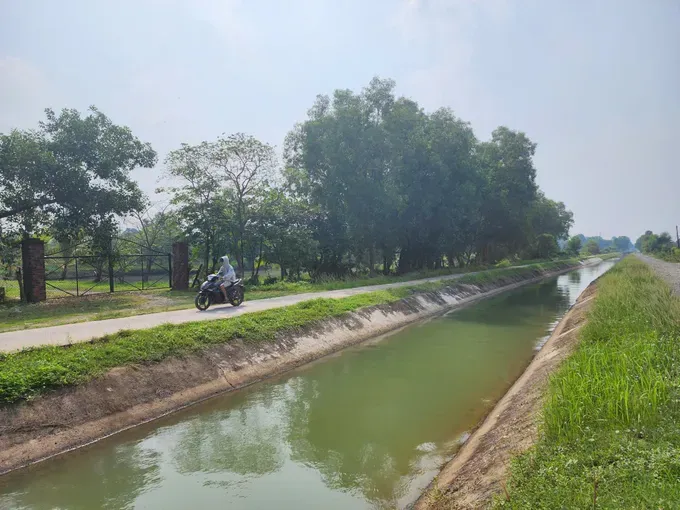
In addition to technical measures such as dredging canals and repairing saltwater-prevention sluices in key communes including Hung Long and Binh Loi, the Ho Chi Minh City People’s Committee has also instructed the agriculture and environment sector to place particular emphasis on coordination with managers of upstream reservoirs, such as Dau Tieng and Tri An, to ensure timely water releases to push back saltwater intrusion.
In the production sector, local authorities have been instructed to adjust cropping calendars, prioritize the use of salt-tolerant crop varieties, and adopt water-saving irrigation technologies. At the same time, media agencies are tasked with increasing broadcast time and promptly providing forecast information to enable residents and businesses to proactively store freshwater and implement disease-prevention measures during the dry season.
Under the plan, the Chairman of the Ho Chi Minh City People’s Committee has directed heads of departments, agencies, and commune-level authorities to urgently develop detailed action plans in line with their assigned functions and responsibilities. These plans must be submitted to the Department of Agriculture and Environment by February 10, 2026, for consolidation and timely reporting to the city’s People’s Committee.
Close coordination among water supply providers, irrigation management authorities, and local governments is regarded as a key factor in maintaining the target of providing 100 percent of households across Ho Chi Minh City with access to clean water and in overcoming challenges posed by natural disasters in 2026.



)