The initiative is a critical move aimed at ensuring seafood traceability, improving fleet management, and meeting European Commission (EC) recommendations to combat Illegal, Unreported, and Unregulated (IUU) fishing.
Mandatory roadmap for over 2,800 vessels
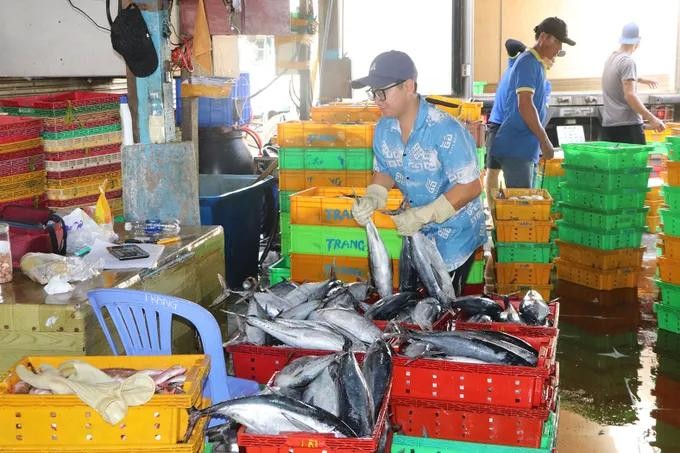
Ho Chi Minh City currently has 2,826 fishing vessels subject to the electronic logbook transition, comprising 2,601 harvest vessels and 225 fisheries logistics support vessels. The fleet is categorized by size as follows:
- 15 meters to under 24 meters: 1,969 vessels
- 12 meters to under 15 meters: 625 vessels
- 24 meters and above: 232 vessels
To date, only 54 offshore fishing vessels have completed the installation of the required equipment and electronic logging software.
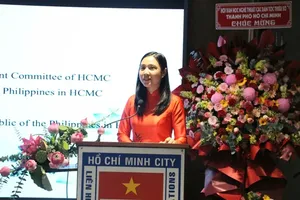
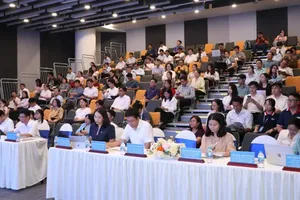
At a recent implementation meeting chaired by Pham Thi Na, Deputy Director of the Ho Chi Minh City Department of Agriculture and and Environment, authorities approved a roadmap for deploying the application in accordance with national ministry regulations.
Under the plan, vessels measuring 24 meters and above must complete implementation by July 1, 2026. Vessels between 15 meters and under 24 meters are required to comply by September 1, 2026, while vessels between 12 meters and under 15 meters must complete implementation by January 1, 2027.
According to Ms. Pham Thi Na, transitioning to electronic logs is a vital solution for fisheries management and an urgent requirement to lift the EC's "yellow card" warning on Vietnamese seafood.
Supporting fishermen through the digital transition
To comply with the new mandate, vessel owners must equip their boats with specialized hardware and software from vendors authorized by the Ministry, which include Gto Company, Sdivico Company, and Tcomie Company. Captains and owners are required to use the digital application to record and transmit data in real time while at sea.
While expressing consensus with the modernization policy, many fishermen remain concerned about investment costs and technological literacy.
"Most offshore laborers are accustomed to manual bookkeeping, so we need detailed, hands-on training to use the software proficiently," said Nguyen Van Nho, a fisherman from Long Hai Commune.
Fisherman Nguyen Dinh Ngoc from Vung Tau Ward added that upfront equipment costs and monthly service maintenance fees place an extra financial burden on vessel owners during a challenging economic period for the fishing industry. He expressed hope that the Government would provide partial financial subsidies during the initial rollout phase.
Upgrading port infrastructure
To facilitate smooth operations for fishermen, infrastructure at local fishing ports will be upgraded simultaneously. Nguyen Huu Thi, Deputy Head of the Ho Chi Minh City Fisheries and Fisheries Surveillance Division, stated that fishing ports must be outfitted with computers, printers, and internet connections to assist vessel owners in completing procedures and printing their electronic logs immediately upon docking.
To ensure effective implementation, Pham Thi Na, Deputy Director of the Ho Chi Minh City Department of Agriculture and and Environment, has directed local authorities to urgently establish grassroots support teams to guarantee that 100 percent of vessel captains receive proper software training. She also emphasized the need to maintain a stable operating system connected directly to the national fisheries database.
Pham Quoc Cuong, Deputy Director of Hung Thai Fishing Port in Long Hai Commune, pledged that port authorities will continuously accompany and support fishermen through the transition, deploying staff to provide direct guidance and resolve any technical issues on-site.
Ultimately, the deployment of electronic fishing logbooks will not only combat IUU fishing but also enhance overall fisheries management, guarantee transparent seafood origins, and streamline inspection and catch certification procedures for fishermen.





)