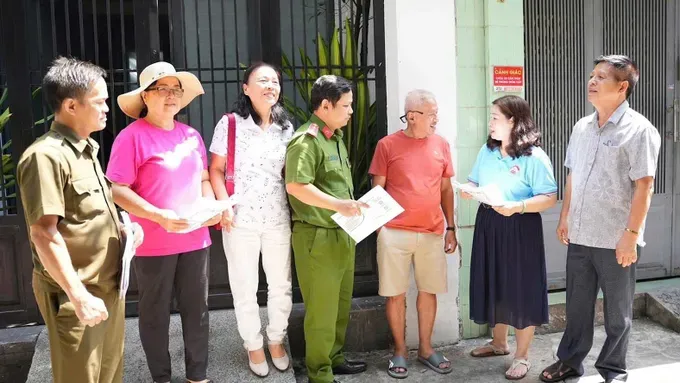
In mid-June, Head Lam Quynh Hoa of Neighborhood No.5 in Dien Hong Ward still had stacks of dossiers on her desk. One side held documents for Party badges; the other featured synthesized public opinion ballots regarding the neighborhood restructuring scheme. With tasks piling up, she had no downtime.
For Ms. Hoa, this workload began in late May. “When Dien Hong Ward rolled out the restructuring scheme, the grassroots system immediately got the ball rolling to proactively collect citizens’ opinions,” she recounted. The locality was then juggling myriad duties, from streamlining personnel to perfecting reorganization plans.
During the ballot distribution, officials proactively visited every household. They deliberately carved out time explaining that the sweeping reorganization won’t alter permanent residency; instead, it’s strictly geared towards elevating overarching management efficiency. Once thoroughly briefed, residents offered highly practical feedback.
Over in Ba Ria Ward, feedback gathering was executed by handing ballots directly to households. According to the master plan, the locality will consolidate its 21 neighborhoods encompassing over 12,100 households and 54,000 residents down to 15, based on meticulous reviews of population scale and management imperatives.
Neighborhood officials proactively went door-to-door to explicitly explain changes and jot down contributions. Real-world observations indicate that the vast majority of citizens are entirely on board with the restructuring and brand-new names like Phuoc Duc as these are cherished place names intricately linked with the locality’s history.
Similarly, Ben Thanh Ward enthusiastically organized public consultations to rigorously promote the citizens’ masterful role in building their locality. Robust task forces hit the streets to gather feedback regarding the reorganization scheme and proposed names.
For countless residents, a neighborhood nickname serves as a cherished historical landmark. Community spots aren’t merely for gatherings; they’re focal points for maintaining strong connections between the government and populace. Therefore, every consultation ballot cast is widely viewed as an accurate barometer of grassroots democracy.
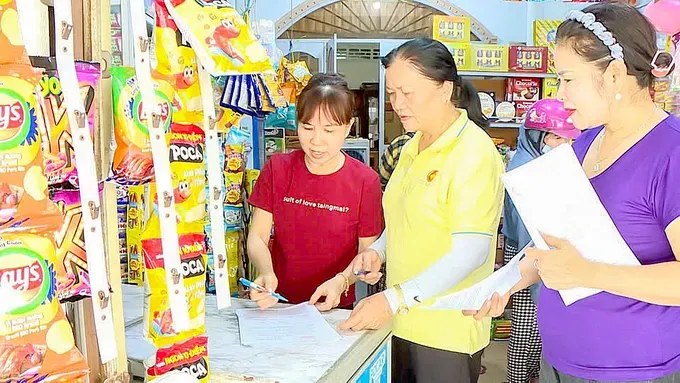
In Phu Loi Ward, the official conference explicitly designed to roll out the scheme for reorganizing local neighborhoods unfolded in a highly serious and candid manner. Party Cell secretaries, Neighborhood heads, and grassroots cadres meticulously focused on providing feedback regarding brand-new neighborhood names post-merger, strategic locations for community activities, and complex issues directly impacting residents’ daily lives.
When the drastic proposal to slash the number of neighborhoods from 22 down to 14 was formally presented, numerous hands immediately shot up. For Head Quach Lam of Phu Loi 4 Neighborhood, the brand-new naming conventions generated a palpable sense of apprehension.
“A neighborhood’s name definitely isn’t utilized for dry administrative management; rather, it’s inextricably intertwined with the community’s collective memories and sheer identity,” he passionately argued. Locations for community activities also proved agonizing, fundamentally because these spaces act as the beating heart for citizen meetings and joint endeavors.
Particularly noteworthy is that all opinions seamlessly aligned with the primary restructuring policy, while simultaneously offering sensible suggestions. Ultimately, renaming neighborhoods will be carefully evaluated based on historical formation, cultural elements, and the absolute consensus of the residential community.
Back in Dien Hong Ward, the reorganization scheme was publicly displayed at community hubs and official channels. Currently, this locality boasts 38 neighborhoods encompassing over 25,800 households. Post-restructuring, it’ll retain just 26 neighborhoods. The Vietnam Fatherland Front Committee branch here coordinated with the People’s Committee to orchestrate a social criticism conference, where experts and everyday citizens pitched in with practical feedback concerning administrative boundaries.
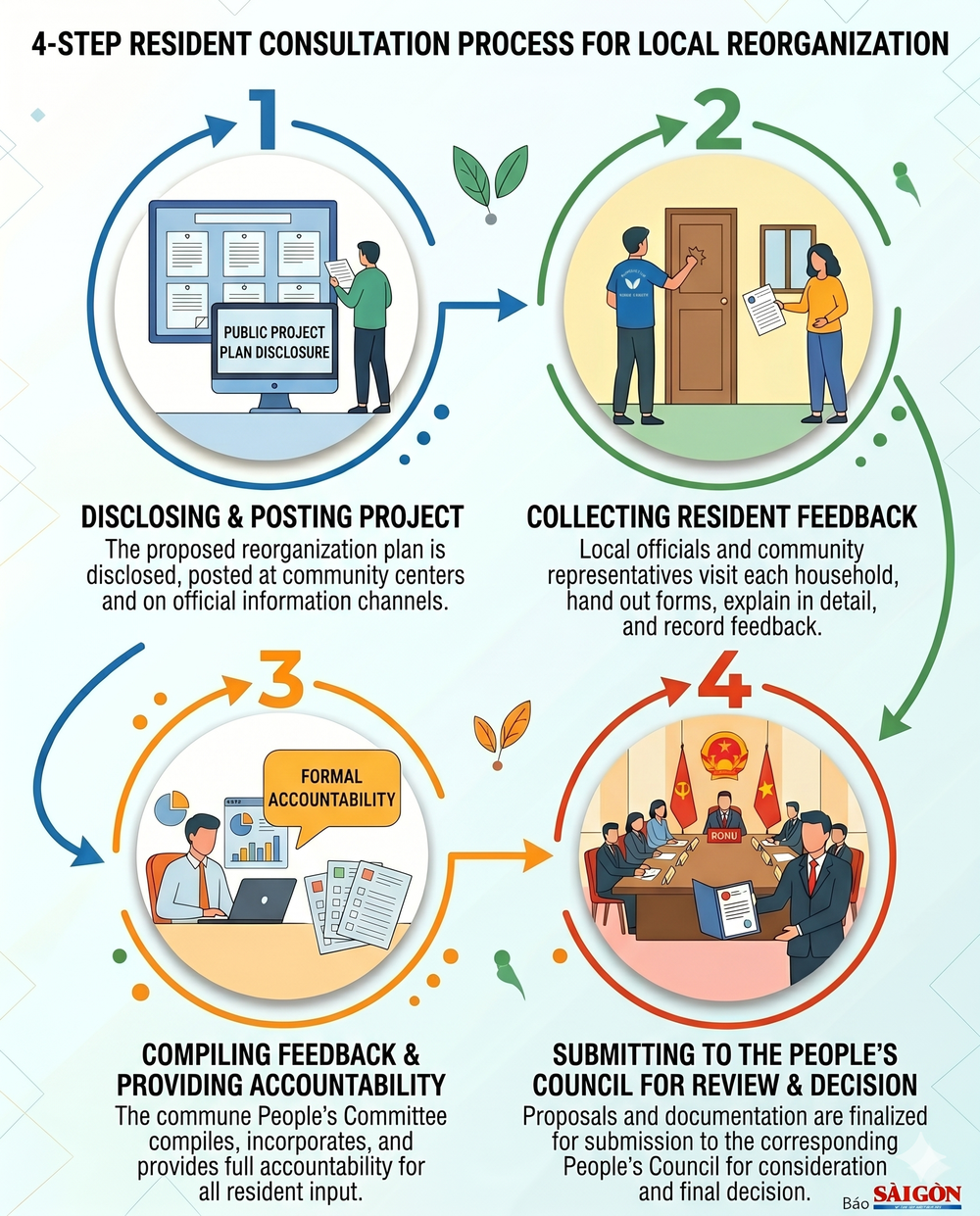
At public spots, citizens eagerly poured over complex diagrams, chatting with officials to grasp the contents before submitting feedback. Numerous neighborhoods have achieved a 100 percent completion rate distributing consultation ballots to households. Initial results indicate that the vast majority of the populace is completely on board with streamlining local neighborhoods.
Once public consultations conclude, the People’s Committee will proactively synthesize and explain all constructive feedback, finalizing complex dossiers for the ultimate decision from People’s Council. It’s widely recognized this crucial step showcases the government’s clear responsibility.
In the end, citizens desperately need to know exactly how their voices are recorded and why certain ideas can’t be adopted. Drawing from grassroots realities, profound consensus stems from utterly transparent information. Empowering residents to debate and rigorously supervise organically transforms the grueling reorganization of neighborhoods into a joint community endeavor.
According to Dat Do Commune’s Party Secretary Do Thi Hong, local authorities systematically orchestrated public consultations before drafting a plan to slash hamlets from 19 to 14, aiming to construct a more efficient management model.
Similarly, Chairwoman Tran Thi Thao of the Ben Cat Ward People’s Committee noted that their finalized blueprint ensures 19 reorganized neighborhoods will flawlessly meet all modern administrative criteria, backed by a profound public consensus.
To guarantee absolute continuity in citizen services during this massive rollout, Chairman Nguyen Duc Thinh of the Thai My Commune People’s Committee emphasized that his locality aggressively prioritized gathering voter feedback and meticulously delegating tasks. These grassroots efforts successfully streamline local governance.
According to the master plan of the HCMC People’s Committee, the city will retain 91 neighborhoods and 23 hamlets harboring up to 25,000 households. These specific areas are heavily saturated with towering apartments and industrial parks.
Concurrently, roughly 10 grassroots units still fall short of stringent scale standards due to idiosyncratic characteristics. Meanwhile, two neighborhoods inherently fail because of isolated geographical positioning. Exactly eight clusters aren’t reorganized despite missing the required scale mark.










)




