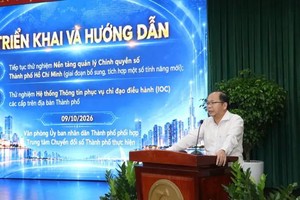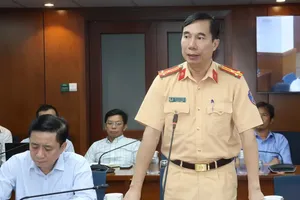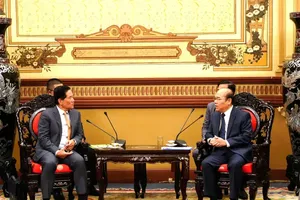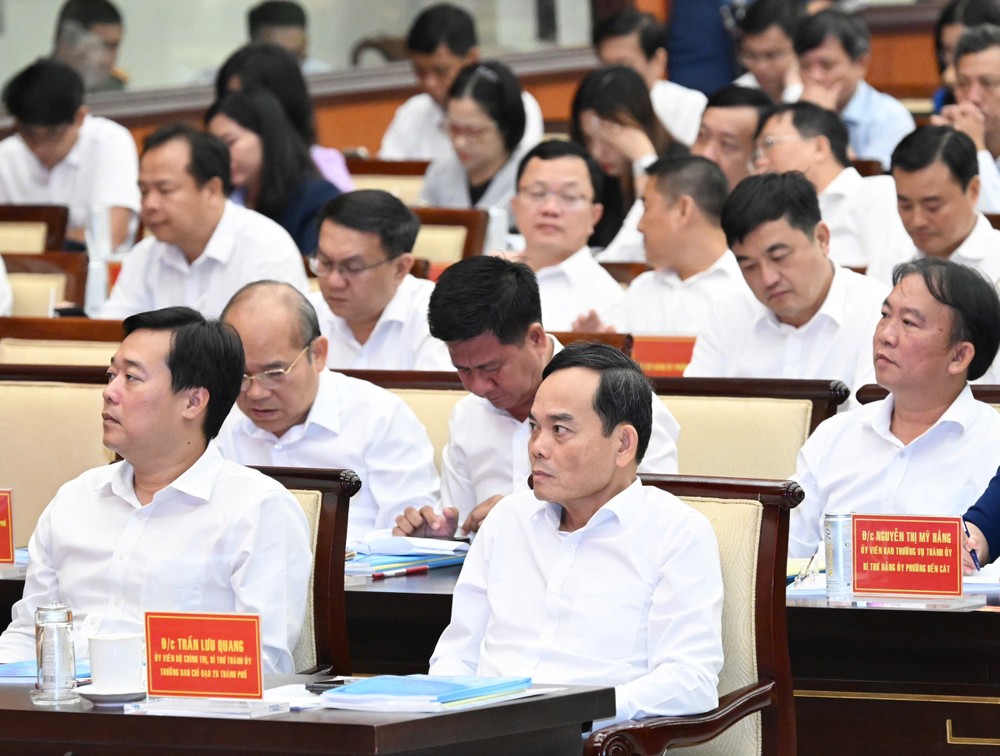
Ho Chi Minh City held a conference on August 10 to review the first six months of implementing Resolution No. 02-NQ/TU, adopted by the Executive Committee of the HCMC Party Committee on December 12, 2025, and roll out measures to strengthen the fight against drug-related crime and social evils, to make the city drug-free by 2030. The meeting also reviewed the city's drug-control efforts during the first half of 2026.
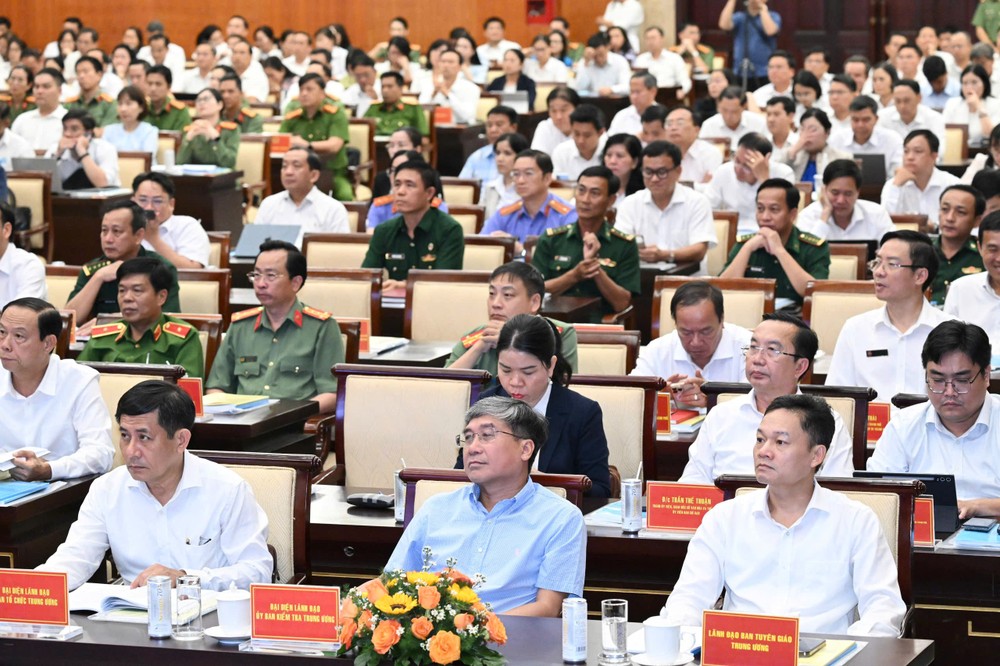
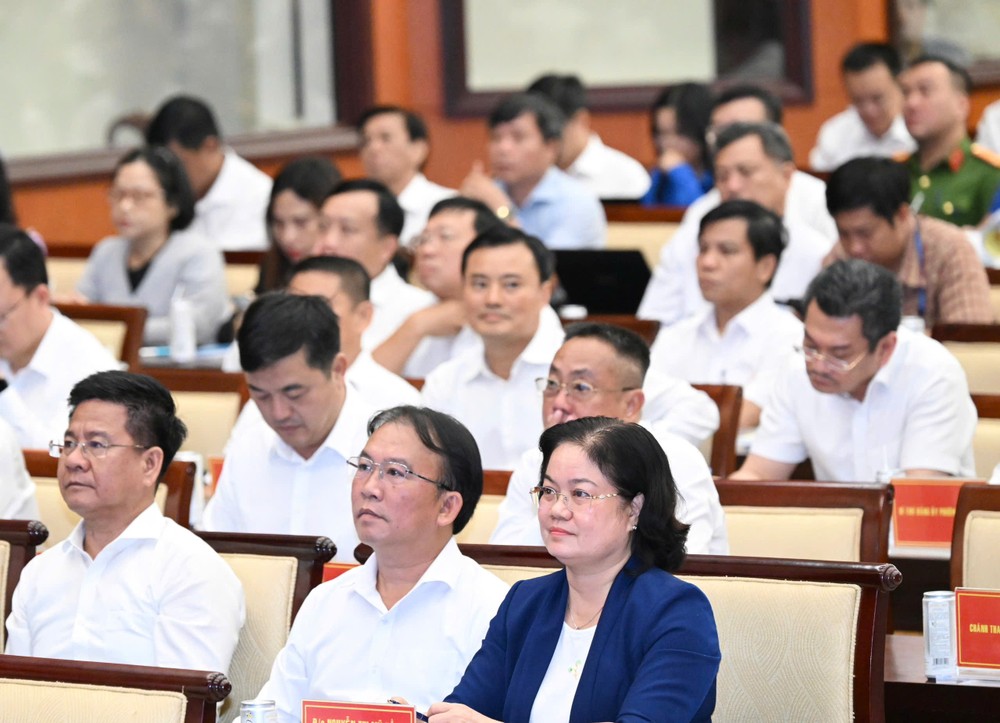
The conference was held in person at the City Hall and linked online to Party organizations and all 168 wards, communes, and special administrative zones. A total of 54,226 Party members took part.
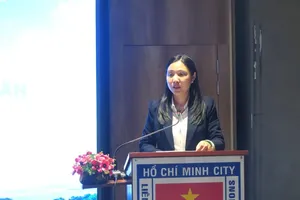
HCMC Party Committee Secretary Tran Luu Quang, who heads the city's Steering Committee 26/TP, chaired the conference. Other senior officials included Mr. Le Quoc Phong, Permanent Deputy Secretary of the HCMC Party Committee; Mr. Nguyen Phuoc Loc, Deputy Secretary of the HCMC Party Committee and Chairman of the Vietnam Fatherland Front Committee in HCMC; Mr. Le Nguyen Nam Ninh, Member of the Central Inspection Commission; and Lieutenant General Mai Hoang, Member of the HCMC Party Committee Standing Committee, Director of the HCMC Public Security Department, and Standing Deputy Head of Steering Committee 26/TP; members of the HCMC Party Committee Standing Committee and the Executive Committee of HCMC Party Committee; leaders of the HCMC People's Committee Party Committee; leaders of municipal departments and agencies; members of Steering Committee 26/TP; and Party secretaries and police chiefs of wards, communes, and special administrative zones.
More than 8,200 suspects handled in 45-day crackdown
Resolution 02-NQ/TU identifies drug prevention and control as a key, ongoing political task that requires comprehensive Party leadership and coordinated action by authorities at all levels, with the participation of the Vietnam Fatherland Front, socio-political organizations, and the public.
A central element of the resolution is a shift from case-by-case management toward managing and transforming entire areas, with grassroots authorities at the center and local Party and government leaders held accountable for results.
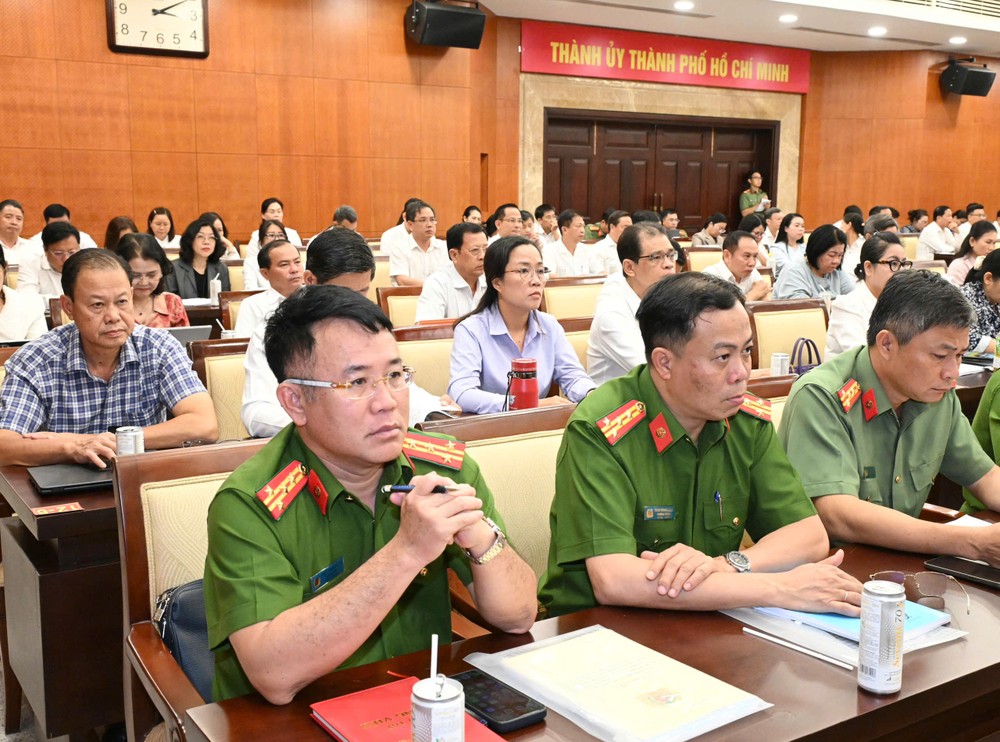
More than six months into implementation, all wards, communes, and special administrative zones had organized briefings on the resolution for officials and Party members. Localities had also established their own Steering Committee 26 bodies and 1,098 task forces across residential neighborhoods, hamlets, and communities.
Following a comprehensive review, HCMC identified 59 areas with serious and complex drug-related problems requiring focused intervention. It also selected 67 wards, communes, and special administrative zones to meet drug-free criteria in 2026, establishing an initial roadmap toward the city's broader 2030 target.
During the first seven months of 2026, HCMC Police, working with other forces, uncovered and handled 5,002 drug-related cases involving 13,072 suspects. The figures represented year-on-year increases of 76.3 percent in cases and 43.9 percent in suspects.
During a separate 45-day campaign to comprehensively review, identify, and clean up drug-related hotspots, authorities uncovered nearly 3,000 cases involving more than 8,200 suspects and dismantled numerous trafficking networks and notorious drug dens.
Decisive action needed for tangible results
Lieutenant General Mai Hoang said the six-month implementation of Resolution 02 had significantly improved awareness and action across the political system and among the public. Party organizations, local authorities, and grassroots agencies had adopted a range of innovative approaches tailored to local conditions, he said.
"This is difficult work that must begin immediately and be carried out continuously, but we must never become complacent or act hastily," Lieutenant General Mai Hoang said. Without decisive action now, drug-related crime and social problems would not subside but could become increasingly complicated, he warned.
He noted that the number of drug-related cases and suspects recorded during the first seven months remained substantial, while police had uncovered several emerging forms of crime with no previous precedent.
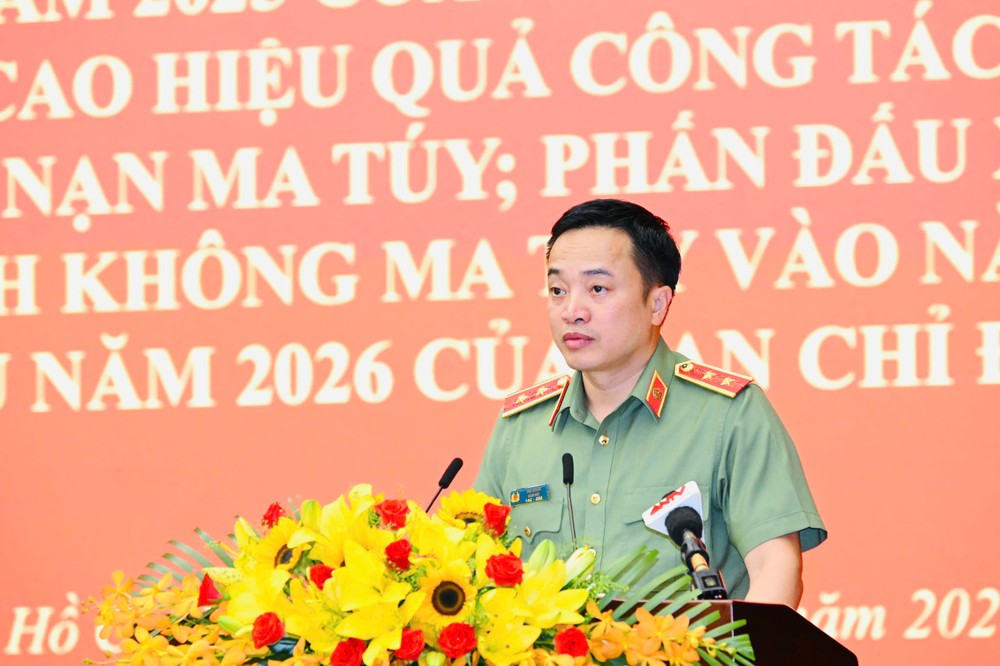
Among them, police dismantled six networks involved in manufacturing and selling equipment used for illegal drug consumption and prosecuted 86 suspects. Authorities also detected the emerging drug Etomidate being disguised as e-cigarette liquid, leading to 12 cases and the prosecution of 149 suspects.
Lieutenant General Mai Hoang stressed that suppressing drug-related crime alone would not be sufficient if the underlying demand for drugs remained unchecked. Drug addicts and illicit drug users could continue to recruit others and create new users, undermining efforts to curb the problem.
He called on the ten task forces under the city's Steering Committee 26 to maintain a close presence in local areas and to work directly with their counterparts at the ward, commune, and special-zone levels, as well as with grassroots task forces. They must regularly inspect and monitor implementation, accelerate progress, and promptly resolve difficulties that arise during the campaign, he said.
For the target of making 67 grassroots administrative areas, equivalent to 40 percent of the city's wards, communes, and special administrative zones, drug-free in 2026, local steering committees must implement measures thoroughly down to individual residential neighborhoods and hamlets.
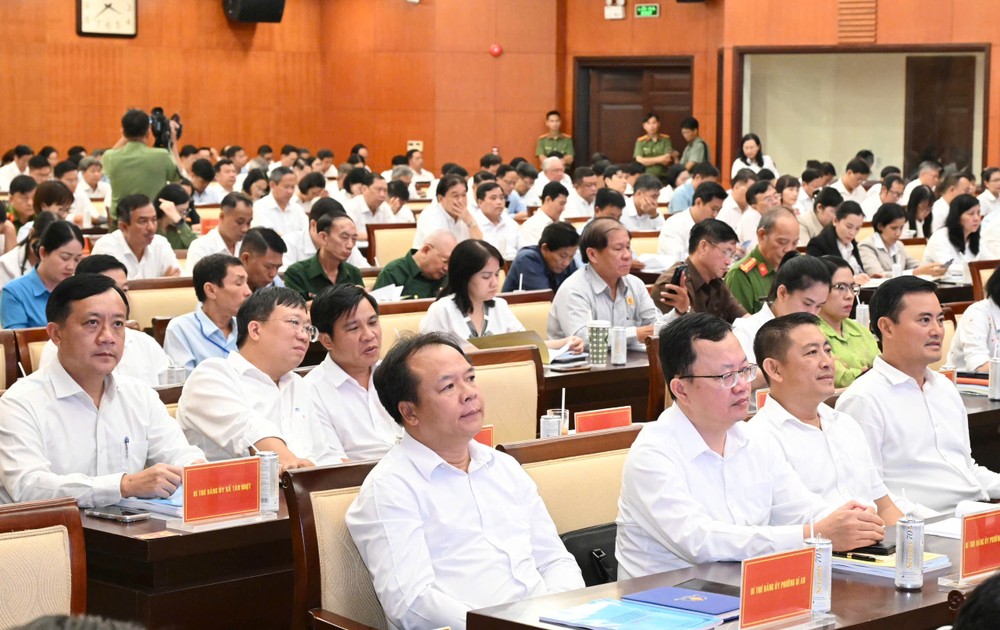
Lieutenant General Mai Hoang also warned authorities against manipulating figures or concealing drug-related problems to achieve performance targets. Officials must not shy away from investigating and dismantling drug gangs and hotspots or from identifying and dealing with drug addicts and illicit drug users, he said.
Hair-testing technology under consideration
HCMC Police are also studying the use of hair-sample testing technology capable of detecting a person's drug-use history over a period of 30 to 90 days.
Lieutenant General Mai Hoang said the city police are working with the Ministry of Public Security's Drug Crime Investigation Department to equip authorities with such testing machines, which could improve the effectiveness of screening and identifying people who illegally use drugs.
The move is part of HCMC's broader effort to shift drug prevention from reactive law enforcement toward proactive identification, grassroots intervention, and sustained transformation of high-risk areas as the city works toward its 2030 drug-free target.