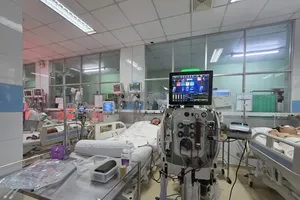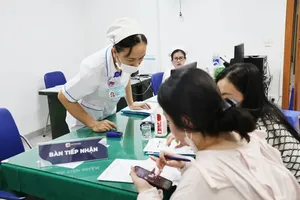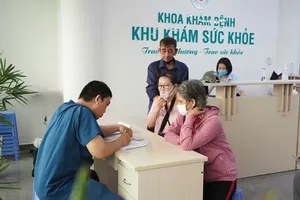
On the occasion of People’s Health Day (April 7), Ho Chi Minh City will organize 60 health screening sites for residents across the city, with the participation of 56 public hospitals. It is expected that around 16,000 residents will receive free health screenings.
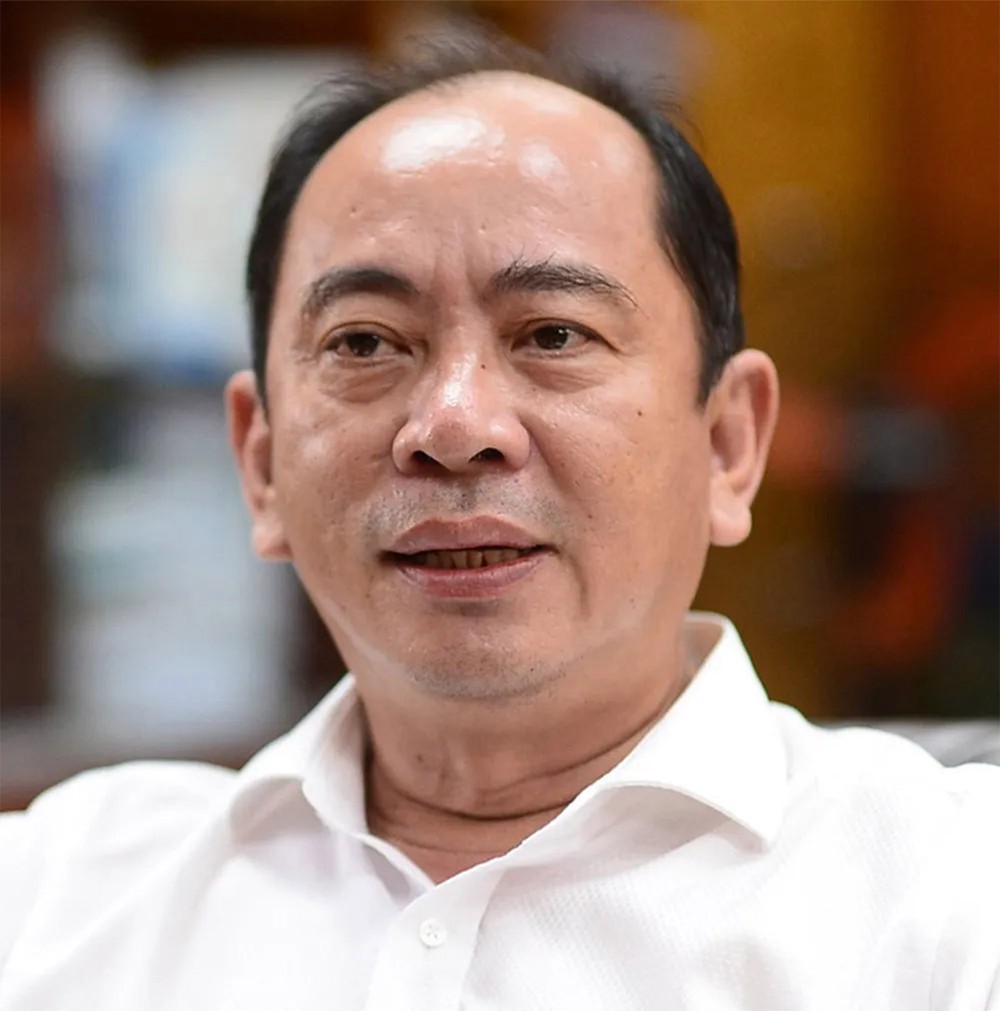
Speaking with SGGP Newspaper, Associate Professor Dr. Tang Chi Thuong, Director of the Ho Chi Minh City Department of Health, affirmed that this activity will be carried out regularly to proactively and sustainably manage and care for people’s health.
According to Dr. Tang Chi Thuong, the city’s health sector has proactively prepared for People’s Health Day with the participation of the local healthcare system through practical actions.
The Director revealed that on Sunday, April 5, the city will hold activities in response to People’s Health Day, with the main event taking place at Nguyen Hue Walking Street. The program will feature a mass exercise performance with more than 1,000 participants.
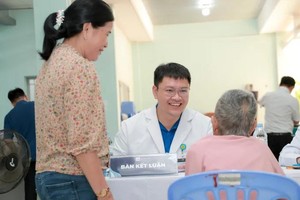
Moreover, he added, on the same day, the health sector will organize 60 free health screening sites at commune, ward, and special-zone health stations for approximately 16,000 people. Residents will receive screenings for various specialized conditions. This is not only a commemorative event but also a “health festival” for residents, where people can access healthcare services directly within their communities.
According to him, a notable highlight this year is the close integration of communication, mobilization, health screening, and health management into a continuous, seamless process before, during, and after April 7, aiming for the long-term goal of proactive and sustainable healthcare management.
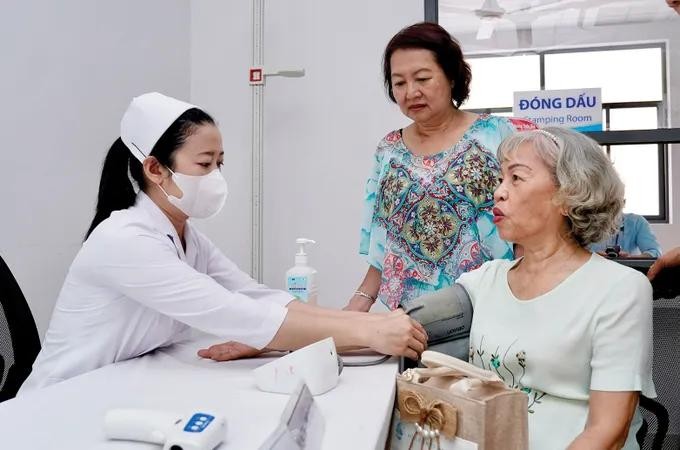
The 60 specialized screening sites will be implemented directly at local health stations. The screenings are focused on key diseases such as hypertension, diabetes, cardiovascular diseases, cancer, and respiratory conditions, as well as health issues affecting the elderly, women, and children. The program goes beyond examination and detection, offering comprehensive care including personalized consultations for each individual and guidance on adopting healthier behaviors and lifestyles. Doctors will also provide referrals and follow-up treatment when necessary.
In addition to the screenings for People’s Health Day, the Ho Chi Minh City health sector considers this just the starting point of a continuous healthcare process and will maintain annual periodic health check-ups for residents. All health data will be updated into individuals’ electronic health records and connected with the city’s healthcare management system and local health stations to ensure continuous, long-term, and systematic monitoring.
After screening, each individual will be assessed for health risks, and a periodic monitoring and management plan will be established. Local healthcare teams will directly follow up and provide support. This approach ensures that each person’s health is managed proactively, individually, and continuously, rather than only seeking medical care when illness occurs. It also lays an important foundation for the city to build a centralized medical data system, moving toward data-driven healthcare governance to better serve public health protection.
At each health station, healthcare teams will be organized into multiple groups including doctors, nurses, midwives, pharmacists, medical assistants, public health workers, community health collaborators, and population officers. These teams will focus on creating and managing residents’ health records; monitoring and managing chronic diseases in the community; and caring for key groups such as the elderly, pregnant women, and children to detect early risk factors and emerging health issues.
The overarching goal is to gradually transform local health stations from initial treatment points into comprehensive health management centers, positioning them as the primary healthcare contact for residents.