Amidst the celebrations marking the 72nd anniversary of the capital city's Liberation Day, a space recreating Hanoi during the subsidy period on Ngu Xa Street is drawing locals and tourists alike. Through artifacts and everyday stories, Ba Dinh Ward brings memories of old Hanoi closer to the public.

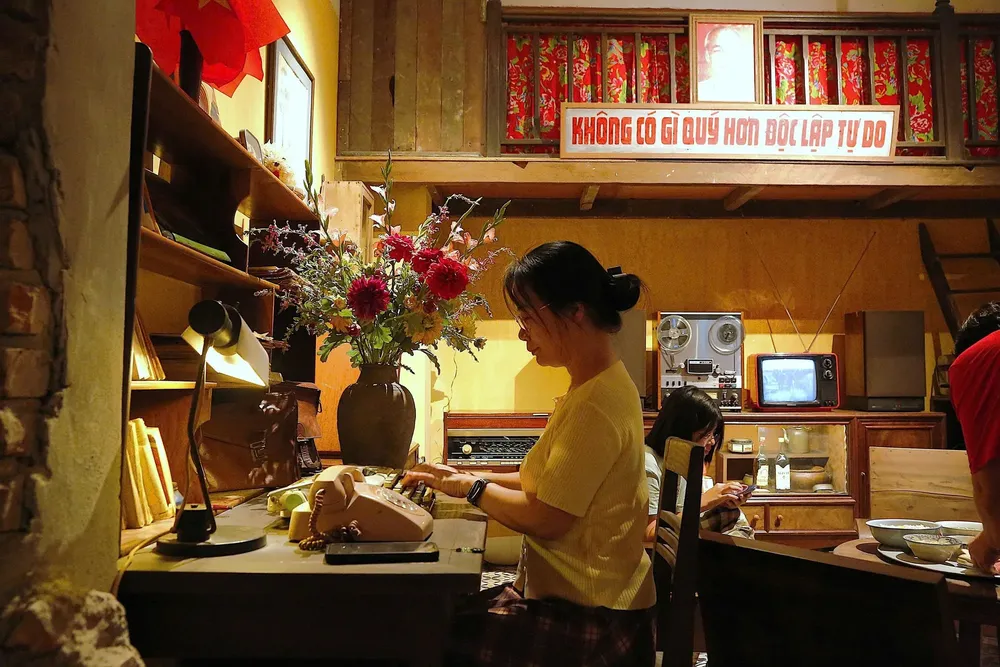
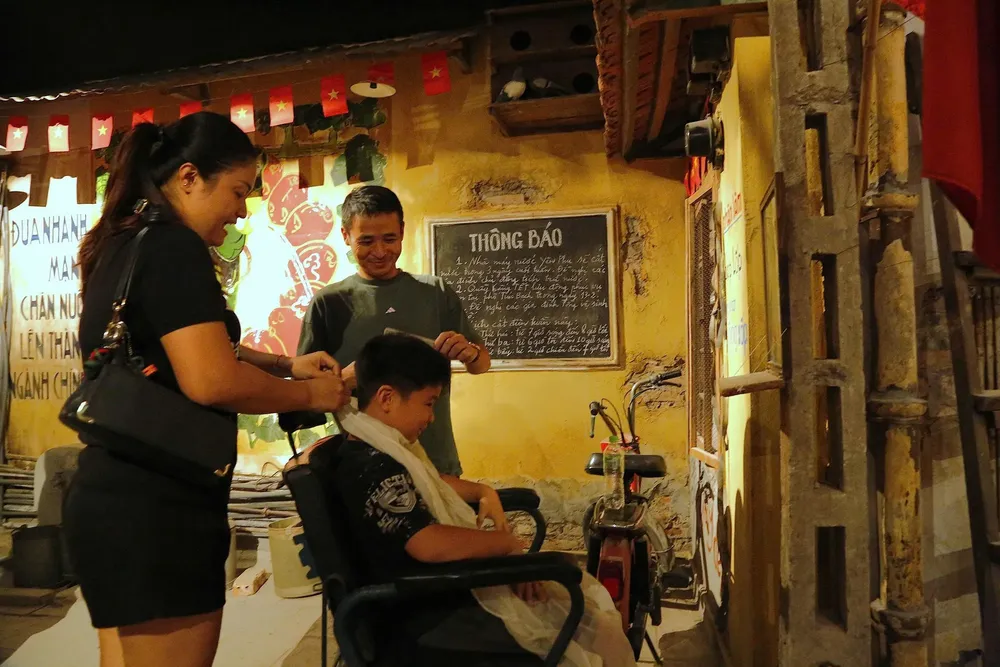
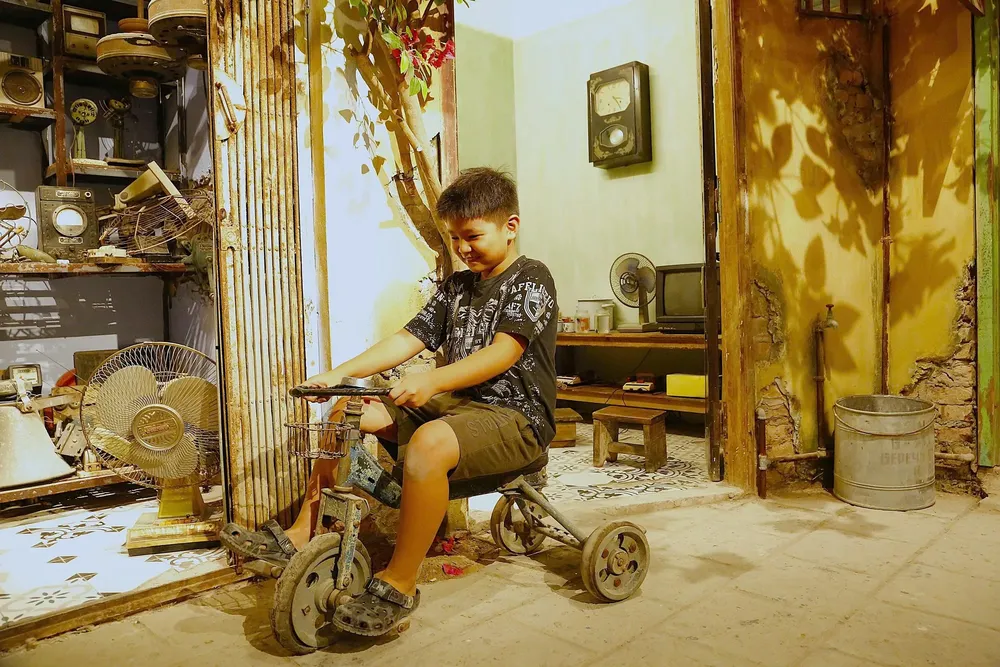
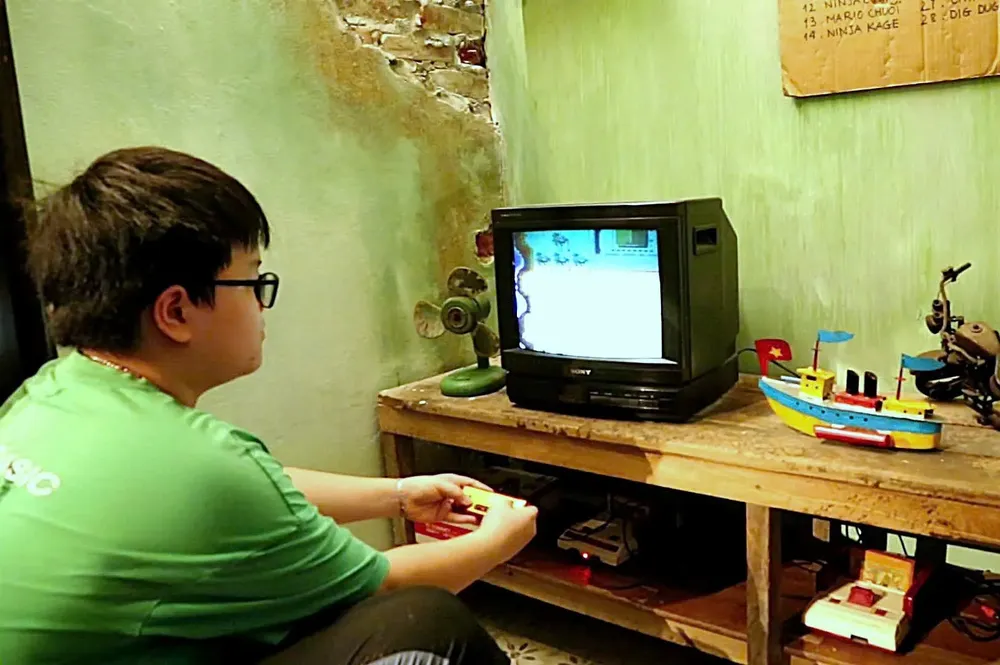
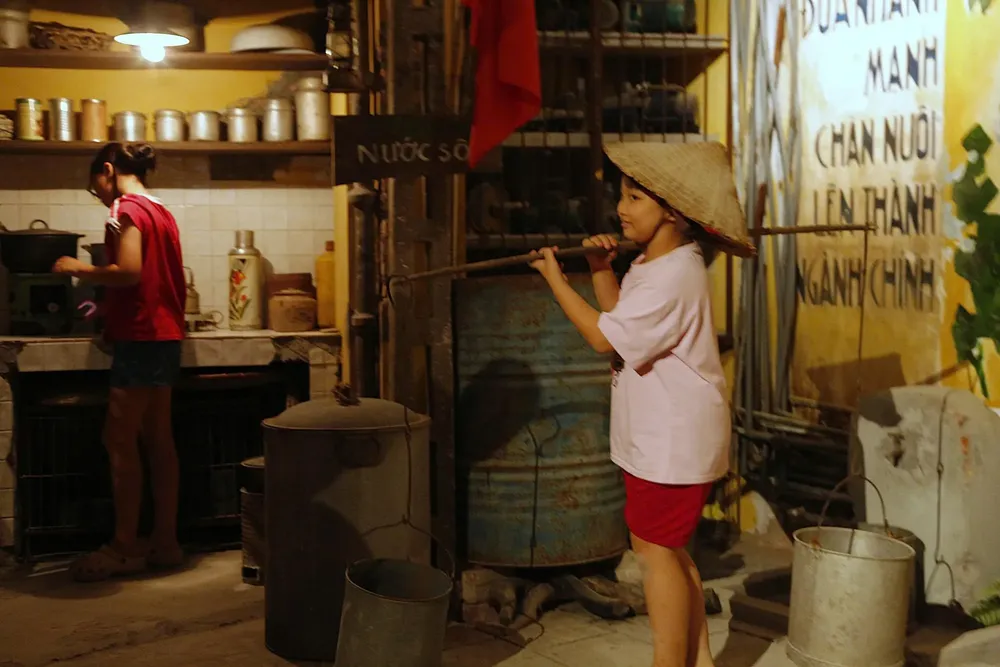
“Patriotic Tour – Touching the Memories of an Period” is a cultural tourism initiative launched by Ba Dinh Ward in Hanoi at the Hanoi Memories Cultural Space at 11A Ngu Xa Street. The tour recreates familiar scenes from the subsidy period, including a typical household kitchen, a state-run shop, a communal water collection point and a sidewalk iced-tea stall, offering visitors a glimpse into everyday life during that period.
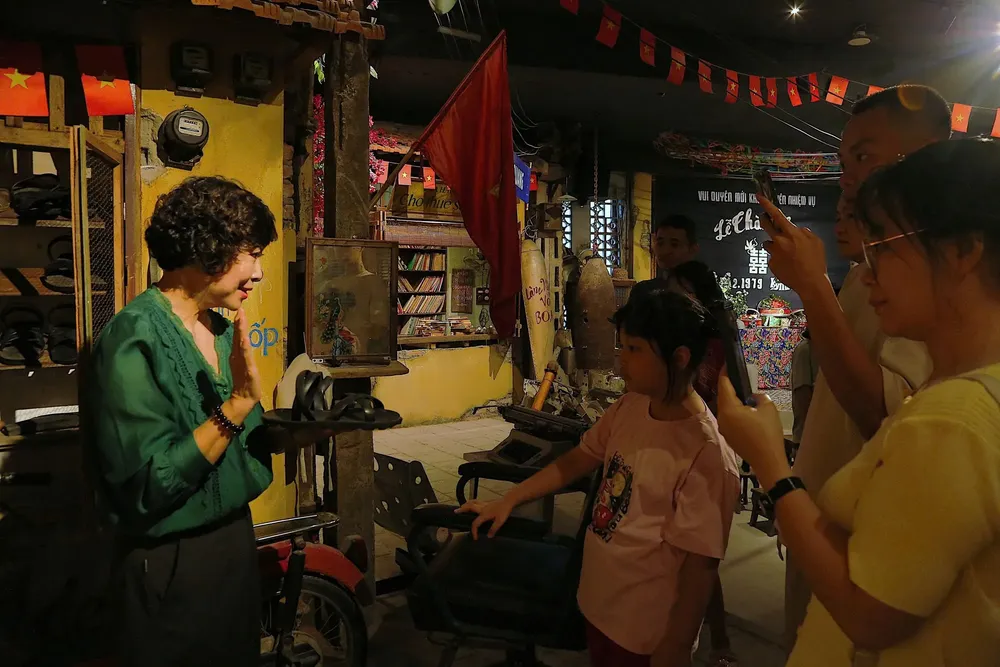
Functioning like a museum without glass display cases, the venue allows visitors to touch artifacts and listen to firsthand accounts from those who lived through the period. At a recreated repair shop within the space, a radio plays the melody of Tien ve Ha Noi (Marching to Hanoi)—a song deeply linked to memories of the capital city's Liberation Day.
Feeling as though she had returned to her childhood, Hanoi resident Pham Huong Giang (born in 1983) noted that information often fades quickly when merely viewed on television or seen through glass display cases. By physically touching the artifacts and tasting traditional treats, those who lived through the period can rekindle old emotions, while younger generations gain a deeper, more lasting understanding of historical narratives.
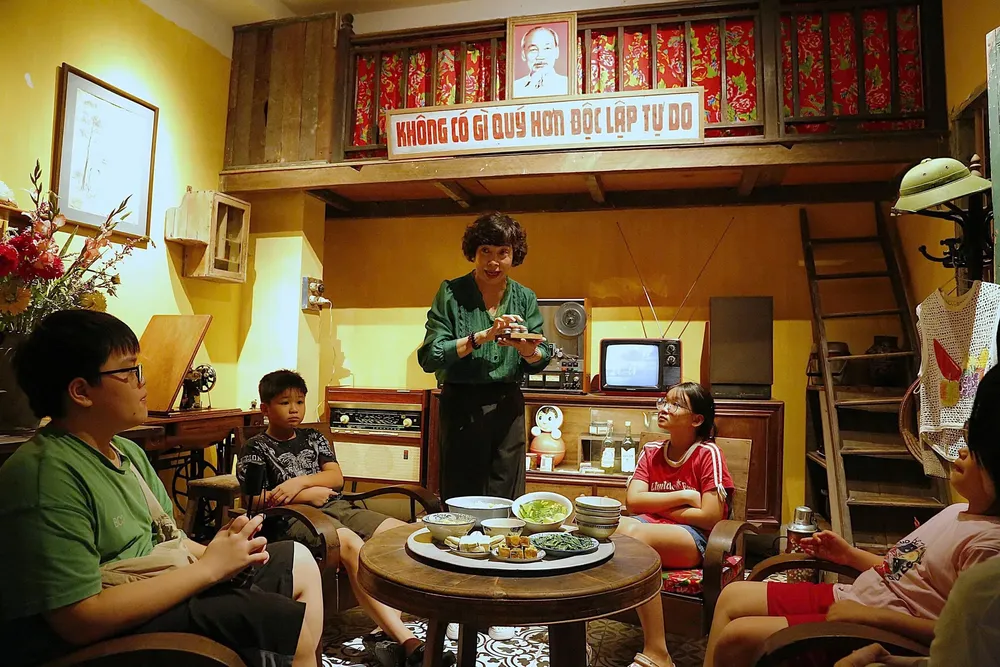
After hearing stories about the ration-coupon system and queuing for water, Hanoi resident Phuoc Thi (born in 1993) shared: "Life during the subsidy period was difficult, yet our grandparents' generation still found joy sitting together over a cup of tea and chatting."
For her, the tour offers a chance to learn about the life her grandparents experienced, fostering a greater appreciation for modern-day comforts.
For many visitors, preserving memories involves more than just keeping artifacts; it requires storytelling to help viewers grasp their significance.
While participating in a livestream experience focused on Hanoi’s subsidy period, American actor Charlie Win expressed surprise at how—despite its compact size—the exhibition space was meticulously reconstructed with a wealth of detail. Even more impressive was the project's ability to recount the hardships and shortages of that period, as well as the ways in which people shared resources and adapted to those conditions.
Vice Chairman Nguyen Dan Huy of the Ba Dinh Ward People's Committee, who is the project's initiator, stated that the ward is promoting the development of cultural industries by leveraging local tangible and intangible heritage values to create a space dedicated to Hanoi's memories.
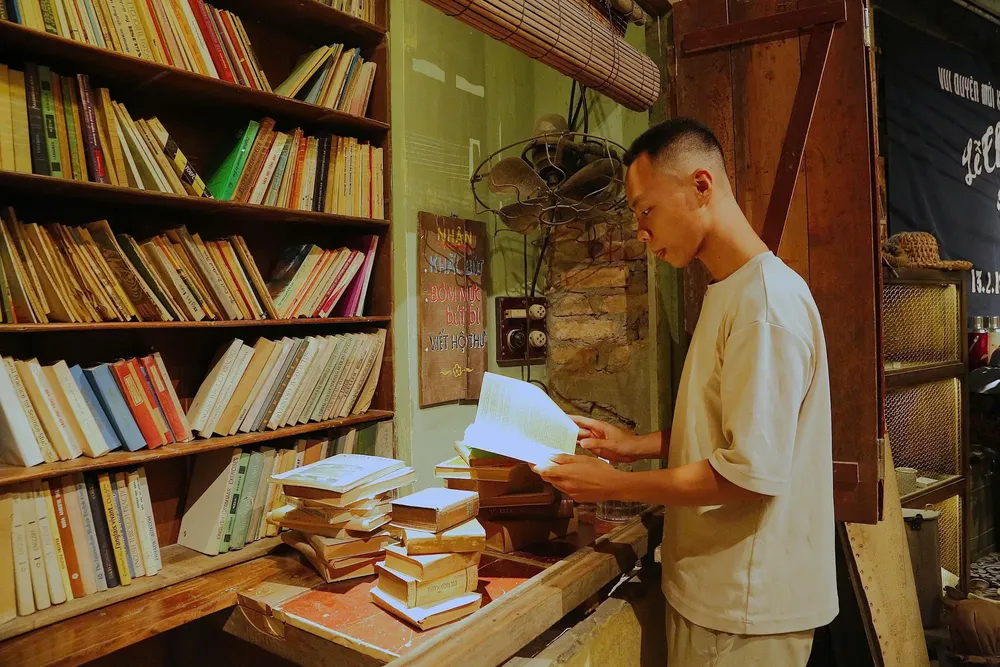
Lecturer Dinh Duc Tien at the Faculty of History and Culture at the University of Social Sciences and Humanities under Vietnam National University in Hanoi described the subsidy period as a compelling historical subject, recalling a period that was both somber and filled with warmth and joy.
Cultural industries can bring historical and traditional values into contemporary life. Turning these resources into cultural tourism products requires meeting practical needs, generating revenue and fostering a distinct cultural identity within local communities.