The pristine and rustic melodies of the Chapi have recently been sounding through the classrooms of Phuoc Ha Ethnic Boarding Junior High School in Phuoc Ha Commune of Khanh Hoa Province. Students' unpracticed fingers take turns plucking each string, producing tunes that are not yet perfect, but full of life.
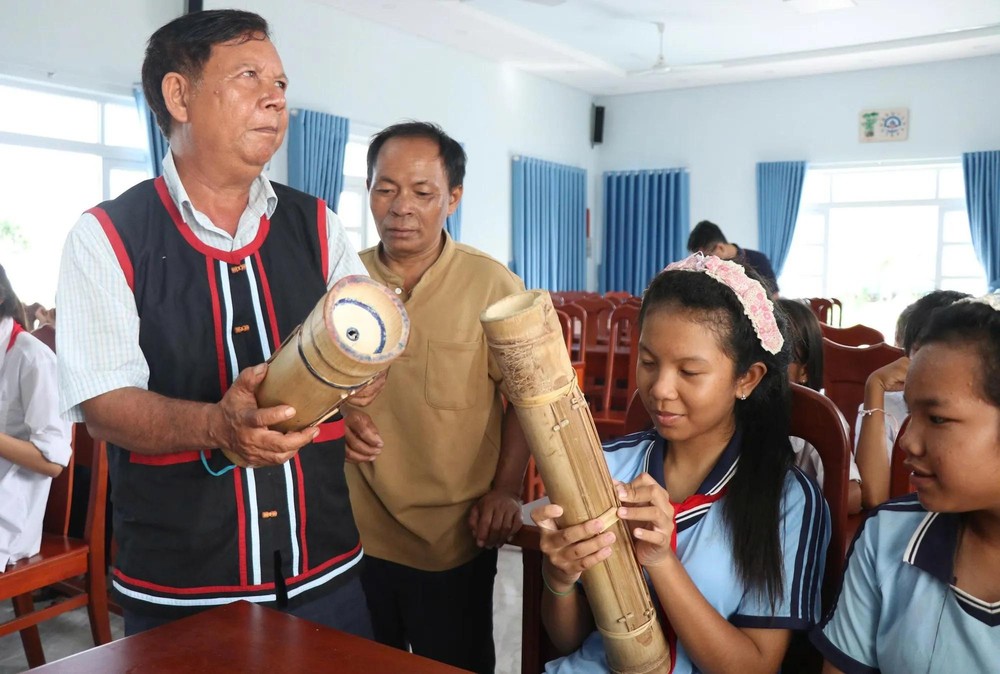
Starting in the 2026-2027 school year, Phuoc Ha Ethnic Boarding Junior High School introduced the Chapi into educational activities for students every Tuesday and Thursday. The school also invited local artisans to instruct on instrument techniques and established clubs and groups to provide students with a space for regular practice.
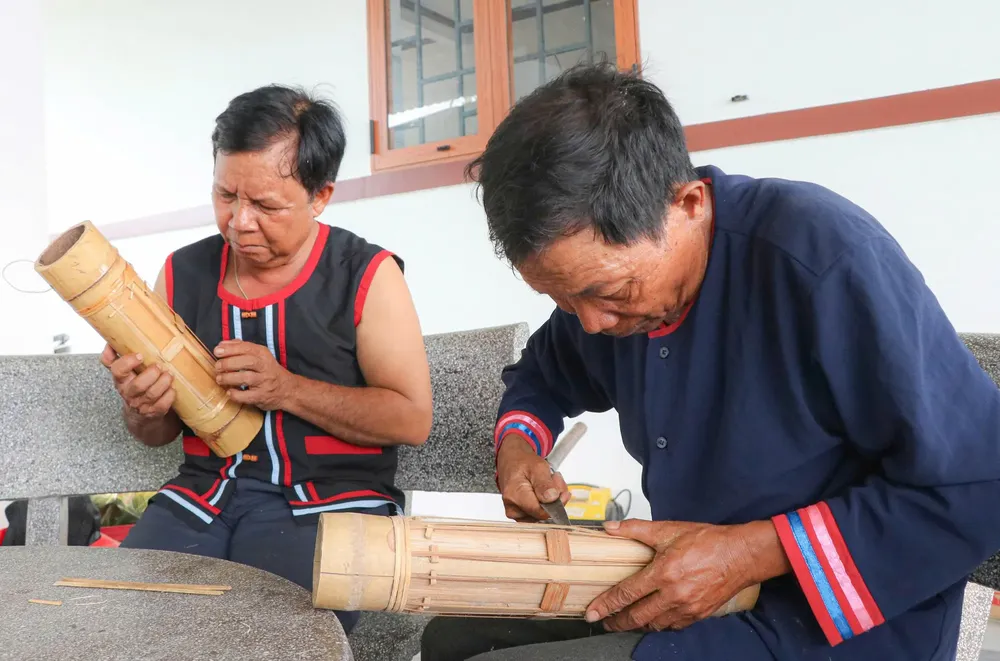
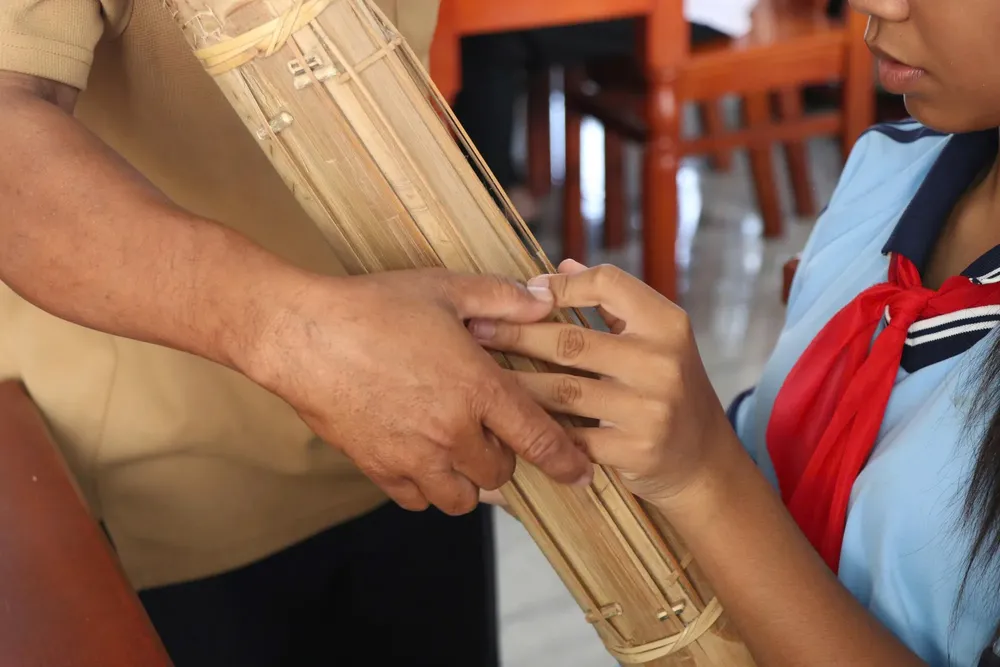
Standing among students practicing the instrument, artisans patiently demonstrate each movement. From holding the Chapi and plucking the strings to feeling the rhythm, the teachers carefully correct each student.
For the artisans, the joy lies in more than just children learning to play another instrument. What they desire most is for the sound of the Chapi to continue having listeners, players, and makers, so that a cultural trait once closely bound to Raglai life does not gradually disappear over time.
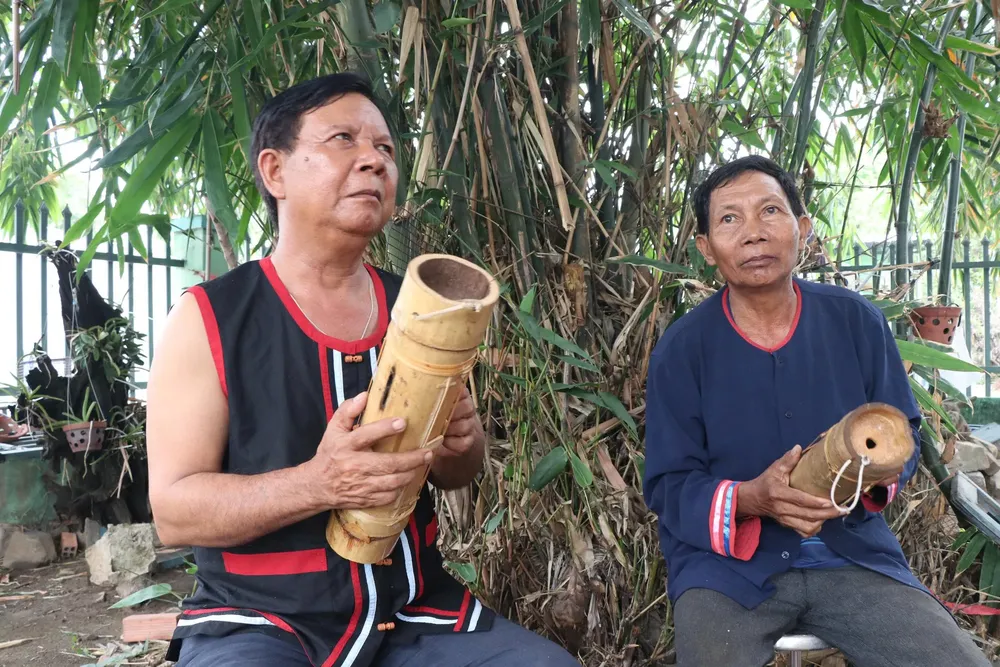
Artisan Ta Thia Banh, 61, from Gia Village, Phuoc Ha Commune, recalled that there was a time when almost every Raglai family had a Chapi. After a day working on the farm, as night fell, everyone gathered around the hearth. The sound of the instrument blended with singing, becoming a natural part of village life. Gatherings around the rustic instrument were also where many young couples found each other. In those days, Raglai youths grew up alongside the Chapi. Children taught themselves to split bamboo, make strings, tune, and practice playing. Today, however, those sounds have become increasingly rare.
The Chapi is a unique traditional instrument of the Raglai people, crafted primarily from a single length of mature bamboo. Artisans select bamboo of the right age, dry it, and skillfully split fibers from the stalk itself to form the strings. These strings are then secured and tensioned to produce a range of deep and high tones. Though the instrument is rustic and compact, its creation demands expertise in bamboo selection, string shaping, and tuning.
According to the Culture - Society Department of Phuoc Ha Commune, only a few people in the area still know how to craft the instrument and play a few tunes. Older adults are occupied with making a living, while the younger generation has access to many modern forms of entertainment and fewer opportunities to engage with traditional instruments.
This break in knowledge transmission has long troubled local artisans and the education sector. Once the last artisans are no longer able to make, play, or teach the instrument, reviving the sound of the Chapi will become vastly more difficult.
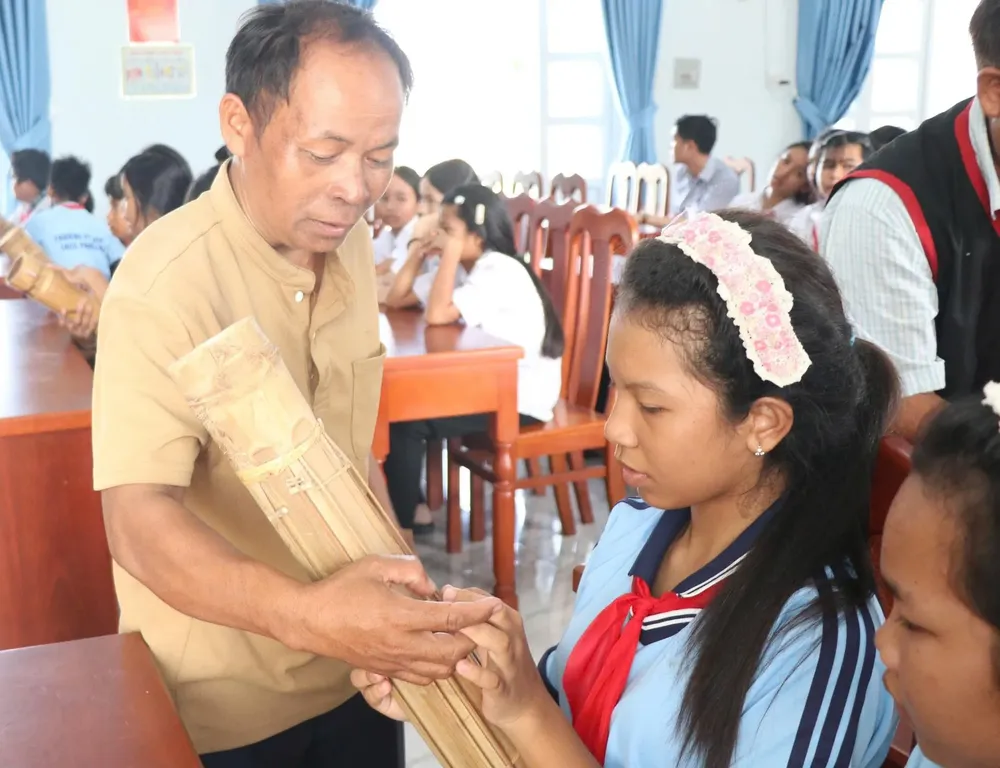
According to Principal Hoang Luong Dan of Phuoc Ha Ethnic Boarding Junior High School, introducing the Chapi into schools aims to help ethnic minority students better understand their community's culture. As familiar melodies are brought into the school environment, students not only learn to play an instrument but also connect with the stories, customs, and cultural heritage of their ancestors.
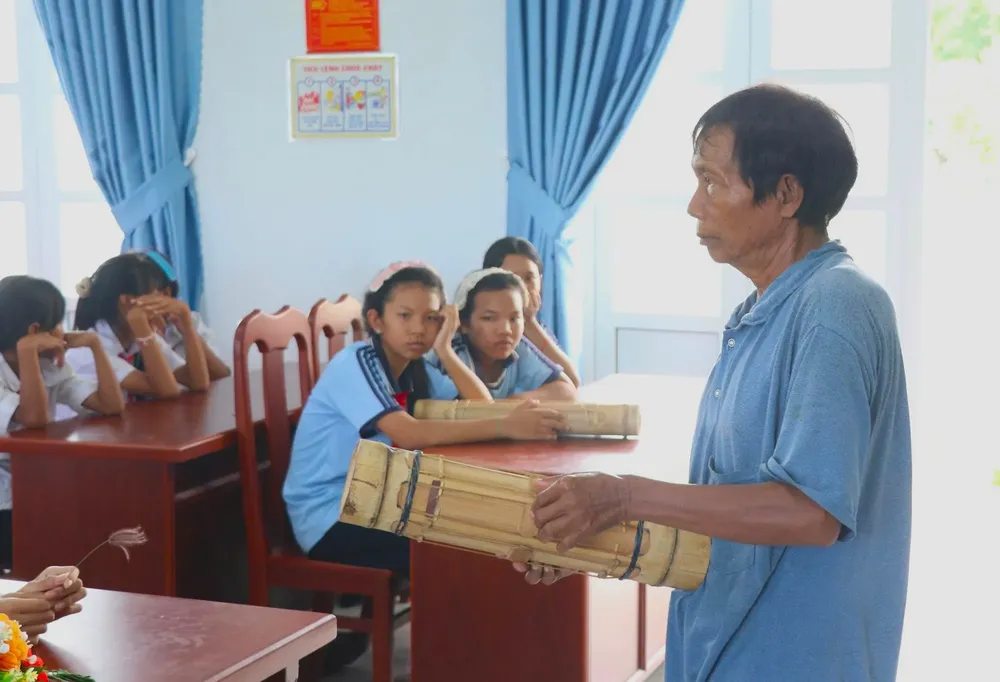
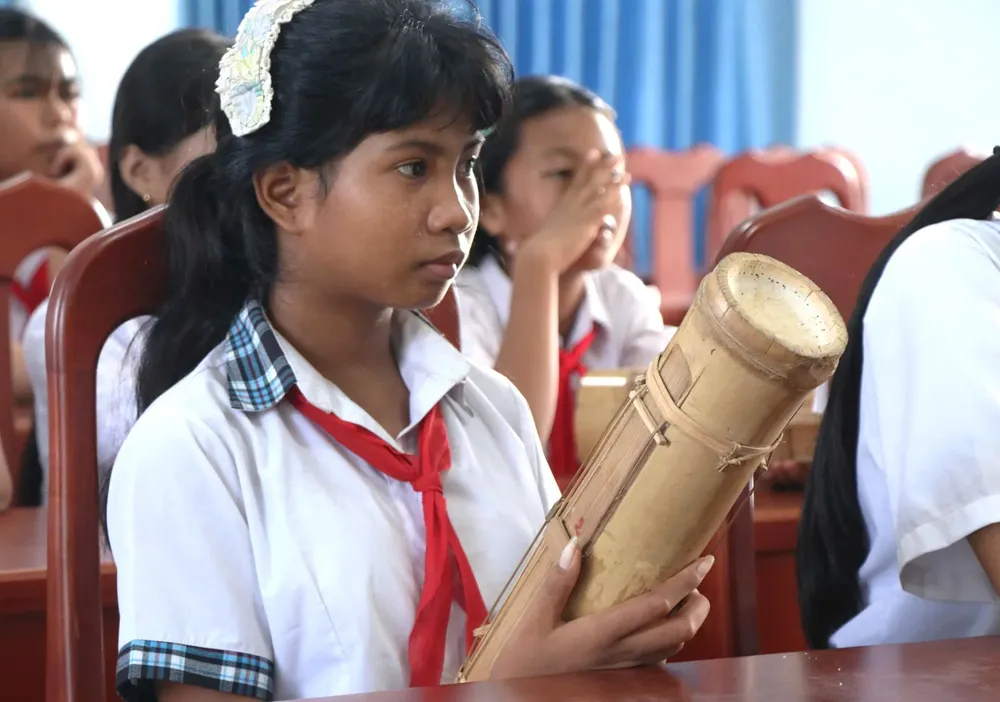
Holding the traditional musical instrument for the first time, ninth grade student Ta Nu Thu Cuc said: "I find the Chapi very interesting and feel very proud of my ethnic group. I will try to learn so I can teach younger children when I return home."
Every week, children learn to pluck the strings of the Chapi. Their playing may not yet be masterful, but every note resonating in the classroom today bridges the past and the future, ensuring the Raglai people's Chapi music echoes on through time.