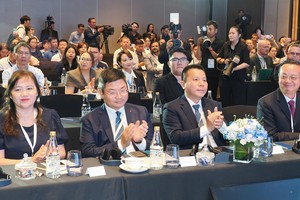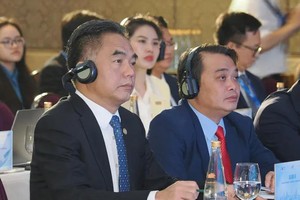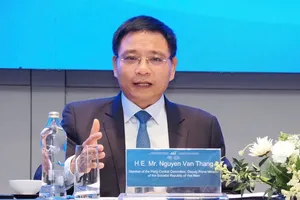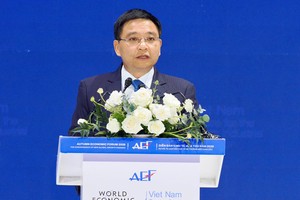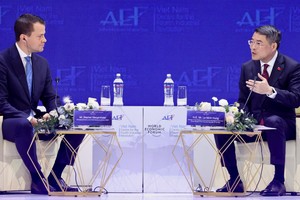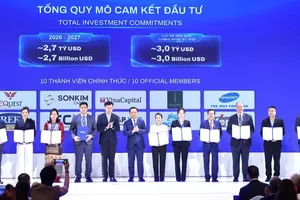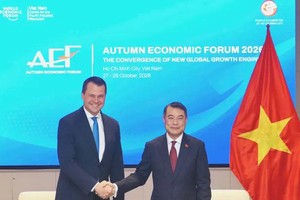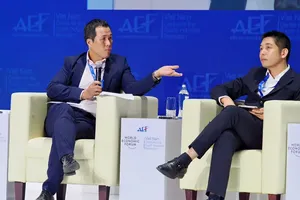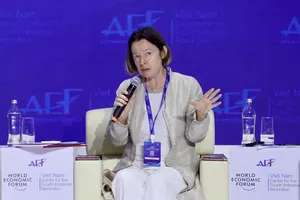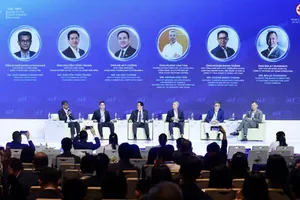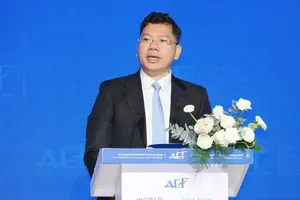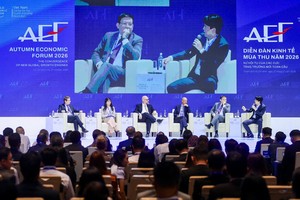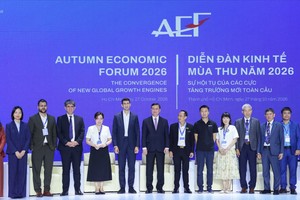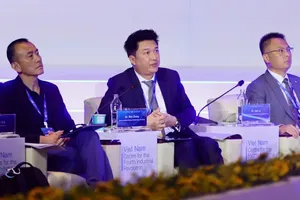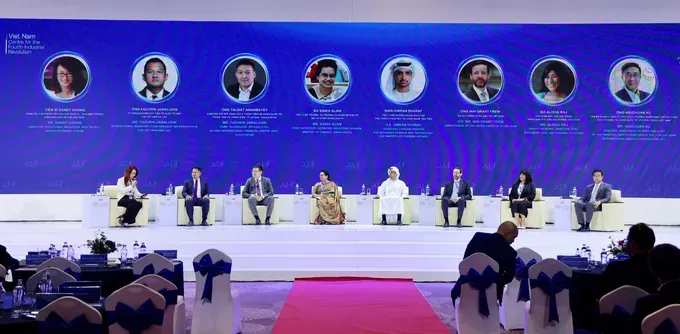
During an in-depth dialogue session titled "Cooperation Frameworks in the New Era" held on the afternoon of October 28 as part of the Autumn Economic Forum 2026, discussions focused on conditions for attracting high-quality, long-term capital flows and collaborative strategies to deliver tangible outcomes.
Transparency builds investor trust
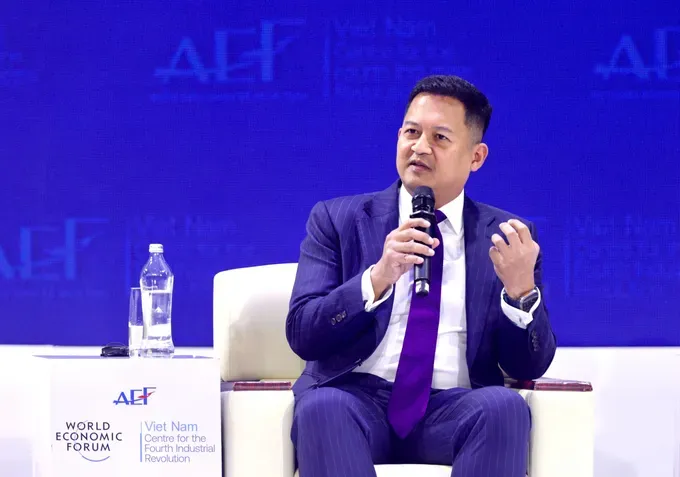
Discussing strategies to attract long-term, socially responsible capital, Mr. Fazurin Jamaludin, representative of the International Monetary Fund (IMF), noted that the global financial environment faces growing challenges amid rising borrowing costs and heavy capital concentration in artificial intelligence (AI).
According to Mr. Fazurin Jamaludin, attracting long-term investors requires Vietnam to reinforce its macroeconomic fundamentals through a clear medium-term fiscal framework, balanced budget strategies, and an efficient public investment management mechanism. Data transparency serves as a crucial prerequisite for investors to evaluate risks and opportunities, as data gaps make it difficult for international investors to gain sufficient insights for long-term capital allocation.
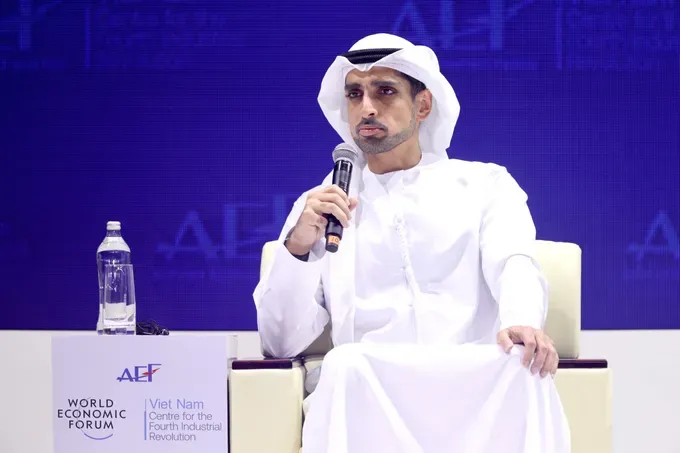
From a strategic cooperation perspective, Omran Sharaf, Assistant Minister of Foreign Affairs of the United Arab Emirates (UAE), emphasized that trust, self-determination, and credibility represent three decisive factors in resource allocation and technology transfer.
During the dialogue, British Ambassador to Vietnam Iain Grant Frew and Weichuan Xu, representative of the International Finance Corporation (IFC), shared views on the vital role of standardizing green finance frameworks alongside environmental, social, and governance (ESG) criteria. These efforts foster a common language and strengthen trust among partners and global financial institutions.
Shifting from transactional exchanges to strategic co-development
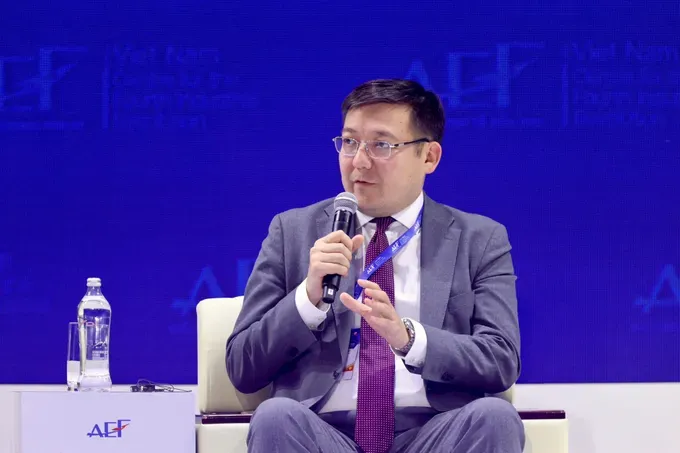
To deliver tangible outcomes in international cooperation, Omran Sharaf proposed shifting from a purely transactional mindset to strategic co-development, where participating parties share intellectual property and risks. Drawing from the international partnership behind the UAE's Mars spacecraft project, he noted that mutual trust can accelerate development timelines and optimize costs in high-tech ventures.
Talgat Amanbayev, representative of the Astana International Financial Center, observed that physical infrastructure connectivity—such as railways—is only part of the equation, as digital and financial linkages play an equally vital role. Asset tokenization, trade document digitization, and the facilitation of cross-border data flows can accelerate cash circulation, lower transaction costs, and boost business cooperation.
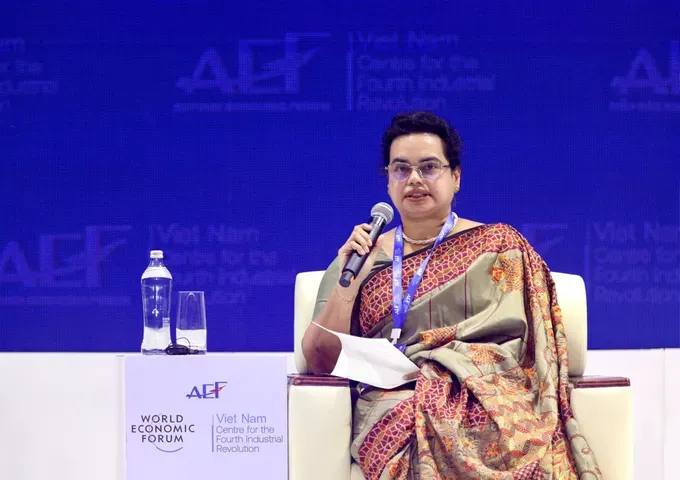
Ms. Samia Alam, representative of Bangladesh, noted that digital transformation must remain inclusive, enabling small and medium-sized enterprises (SMEs) to integrate into global supply networks at reasonable costs.
Highlighting partnership models between Rotterdam and Ho Chi Minh City, as well as Tokyo and Kuala Lumpur, Alissa Raj, Regional Deputy Director for Southeast Asia, East Asia, and Oceania at the C40 Cities Climate Leadership Group, emphasized the benefits of sharing modeling data and technical expertise to generate practical results in cross-city collaboration.
Institutional and financial reforms
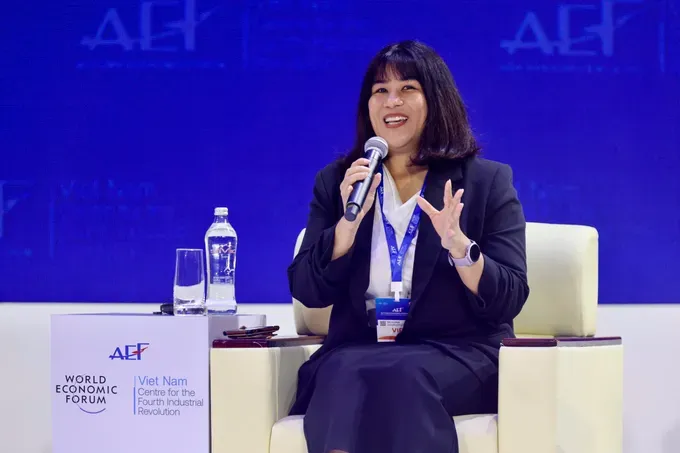
Speaking at the discussion session, Mr. Fazurin Jamaludin noted an internal challenge: resources and credit remain unevenly allocated across business sectors. Consequently, Vietnam must develop its domestic capital market to diversify financing channels for the economy.
British Ambassador to Vietnam Iain Grant Frew highlighted the gap between strategy and execution as a significant barrier. According to the British Ambassador to Vietnam, while Vietnam boasts a clear vision and strong ambition, implementation through administrative machinery poses challenges that require decisive institutional reforms. Additionally, geopolitical conflicts, global supply chain disruptions, and energy price volatility present external headwinds. He praised Vietnam's proactive diplomatic efforts in strengthening international trust.
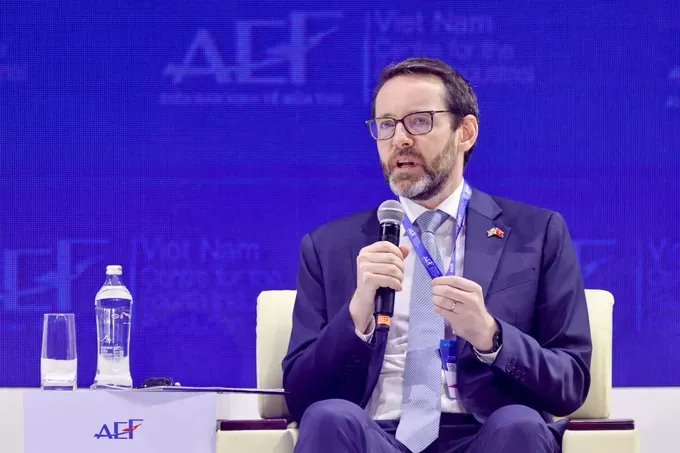
On the financial front, Weichuan Xu pointed out that high domestic capital costs continue to burden businesses seeking investment expansion. Nevertheless, he expressed optimism regarding Vietnam's economic outlook, citing its robust growth and rising stature within global supply chains.