Proactively strengthening domestic capabilities
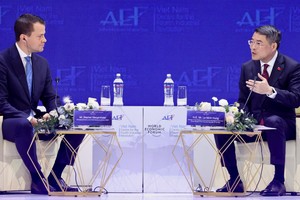
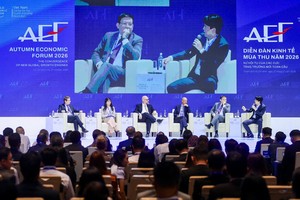
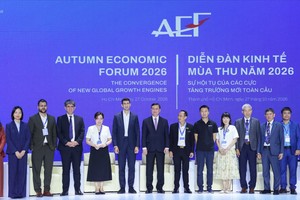
Speaking at a ministerial-level discussion titled “Cooperation Frameworks in a New Era,” Deputy Prime Minister Nguyen Van Thang said the global economy was undergoing profound changes driven by the twin transitions toward digitalization and sustainability, as well as shifting centers of economic growth.
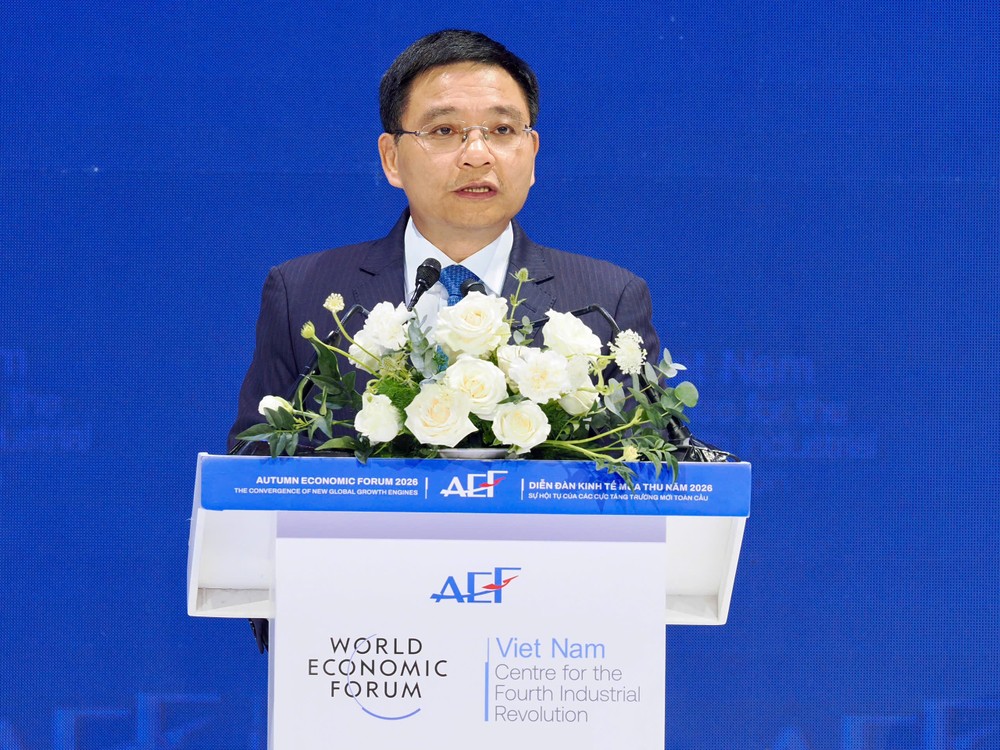
Developing economies could no longer afford to adapt passively, he said, but needed to build their own capabilities to participate directly in emerging value chains. International cooperation must translate into concrete policies and projects that deliver shared benefits.
Mr. Nguyen Van Thang outlined four strategic priorities: developing domestic talent, technology and governance capabilities; establishing transparent institutions that allow room for experimentation and innovation; strengthening multilateral cooperation; and mobilizing green finance and technology while building stronger links with domestic businesses.
He called on participants to identify emerging trends in capital flows, technology and supply chains; assess the opportunities and risks facing developing economies; and agree on practical measures to turn initiatives into results and establish durable links between growth centers.
Shifting infrastructure financing beyond banks
Mr. Denis Depoux, Global Managing Director of Roland Berger, said Vietnam's credit-to-GDP ratio of 146 percent reflected the economy's heavy reliance on bank lending.
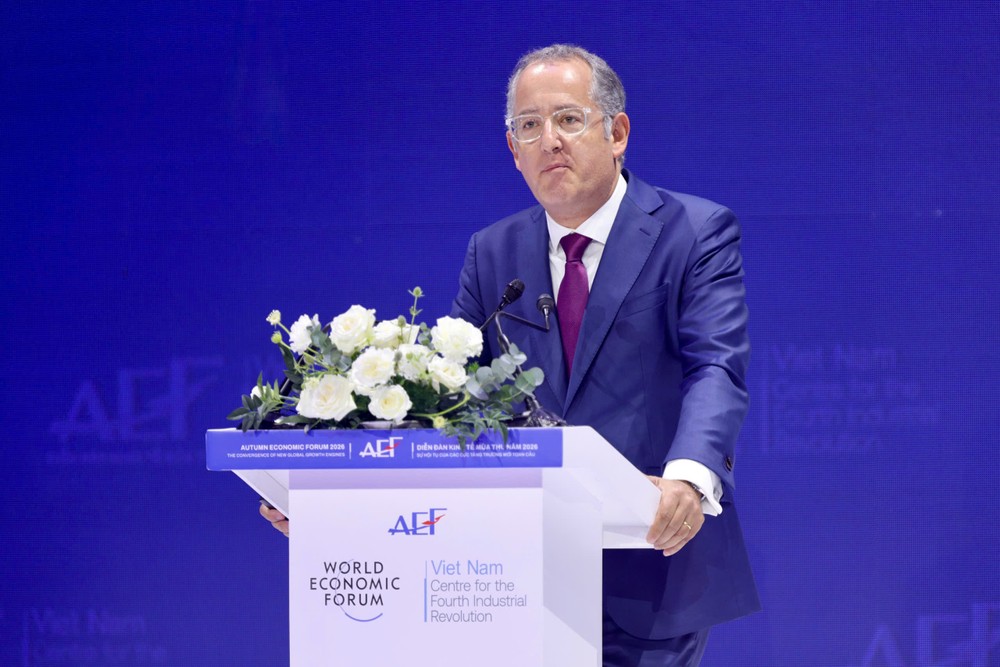
However, industrial and infrastructure projects, including railways, seaports, and energy facilities, require long-term financing spanning 20 to 30 years. Funding projects with lifespans of three decades through loans with maturities of six months or a few years creates significant maturity mismatches and financial risks, he said.
Mr. Denis Depoux recommended that Vietnam leverage its relatively low public debt to raise long-term capital at reasonable costs for strategic infrastructure projects.
Such an approach would ease the burden on commercial banks, allowing them to focus on providing working capital and short- to medium-term credit to businesses rather than financing infrastructure over several decades.
Vietnam should also develop its bond and stock markets to attract more long-term investment and diversify funding channels, he said.
Smart coordination to cut logistics costs
Mr. Devendra Jain, a senior manager for advanced manufacturing and supply chains at the World Economic Forum (WEF), said Vietnam had established a well-connected network of factories, seaports and industrial parks but had yet to achieve intelligent, data-driven integration.
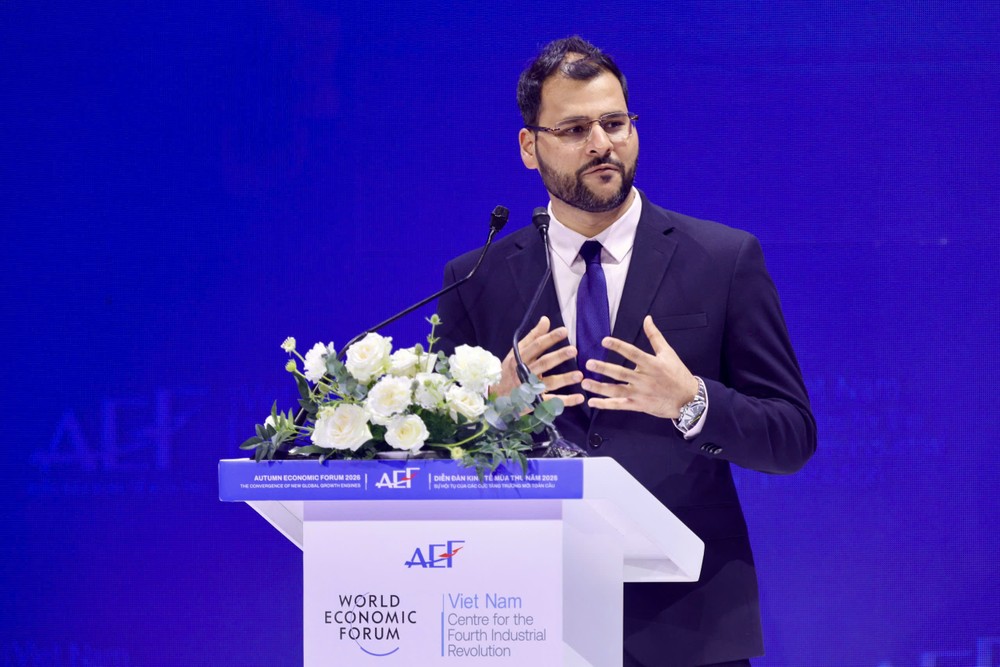
Supply chain components still operated in silos, lacking shared data and artificial intelligence (AI) systems to coordinate operations in real time. This was one factor contributing to logistics costs equivalent to 16-17 percent of Vietnam's gross domestic product, considerably higher than in many developed economies.
Small and medium-sized enterprises (SMEs) often lacked the resources to invest in expensive technologies such as industrial 5G networks, digital twins and proprietary AI models.
Only 12 percent of Vietnamese SMEs participate in global value chains, compared with 62 percent of large enterprises, Mr. Devendra Jain said.
He recommended that Ho Chi Minh City pilot a smart logistics coordination system along the export corridor linking manufacturing clusters with the Cai Mep-Thi Vai international port complex.
The proposed platform would integrate real-time data on cargo, vehicles, warehouses, port receiving schedules and vessel timetables to optimize coordination, reduce waiting times and lower logistics costs.
The city should invest in shared digital infrastructure that allows businesses, particularly SMEs, to connect securely without bearing the full upfront investment, he said.
Building a regional technology corridor
Assoc. Prof. Dr. Le Quoc Cuong, Member of Ho Chi Minh City's Research Subcommittee on Science and Technology, Innovation and Digital Transformation, proposed replacing isolated industrial parks with a multipolar, regionally integrated development corridor.
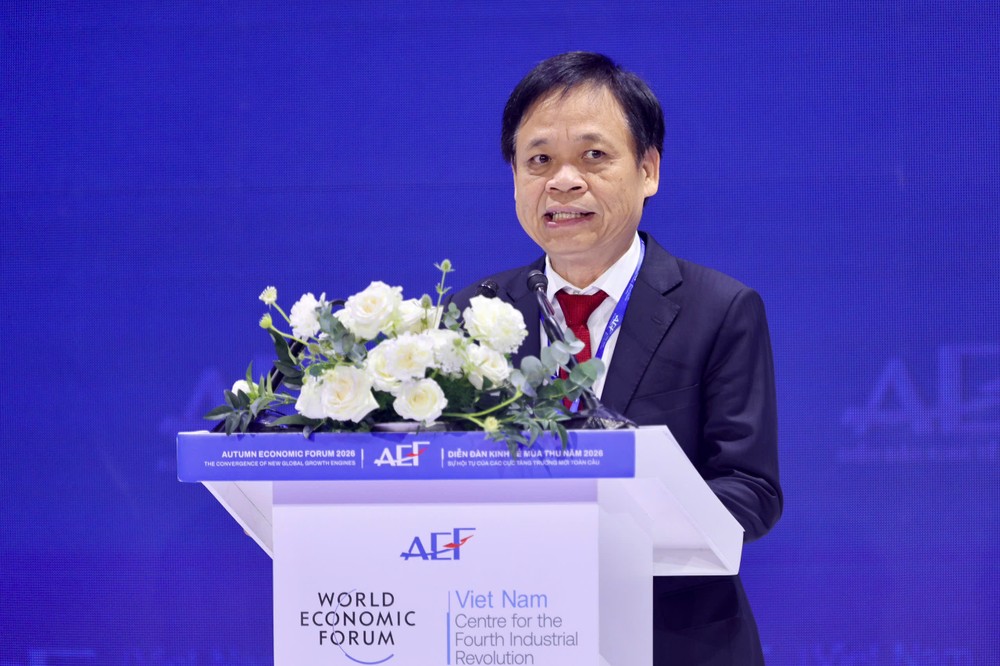
The vision is to transform Ho Chi Minh City into a globally competitive science and technology megaregion by 2050, with a longer-term outlook to 2075. The city would aim to enter the world's top 100 technology clusters while achieving net-zero emissions.
Assoc. Prof. Dr. Le Quoc Cuong proposed six specialized hubs: knowledge and research at Vietnam National University-Ho Chi Minh City; high technology at the Saigon Hi-Tech Park; advanced manufacturing in Binh Duong; finance and innovation in Thu Thiem; global logistics at Cai Mep-Thi Vai; and the green and maritime economy in Can Gio-Vung Tau.
Six layers of infrastructure would connect these hubs, facilitating the movement of six categories of resources, including knowledge, technology, capital and data.
Professor Matthieu Guitton from Canada's Laval University said artificial intelligence was reshaping soft power by enabling countries to extend their influence across digital spaces, transcend geographical boundaries and attract global attention.
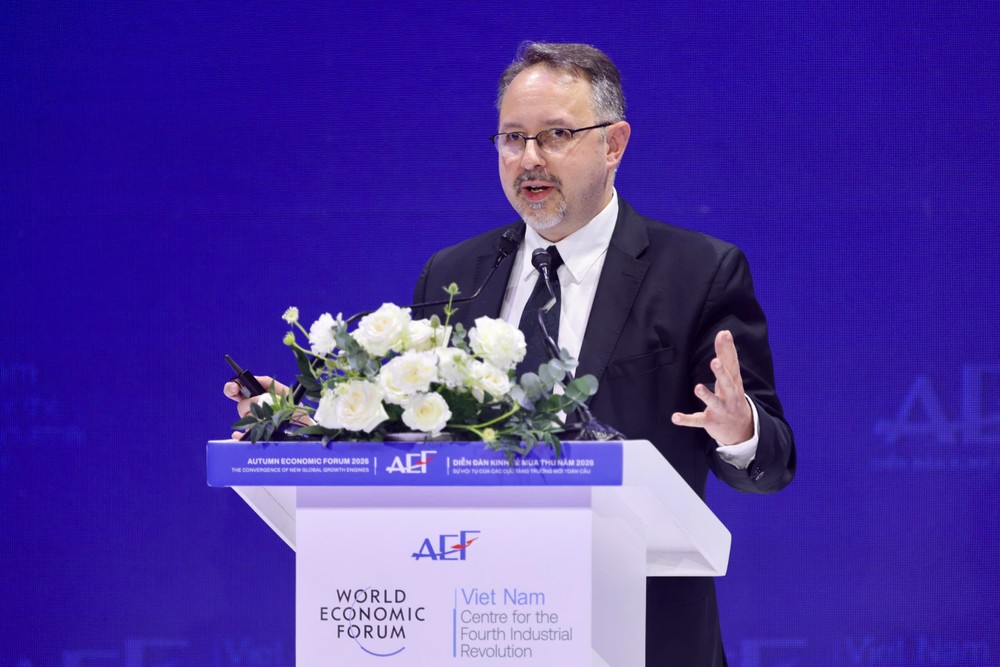
Vietnam has several advantages, including a young population, rapid economic growth and growing technological capabilities, he said.
Professor Matthieu Guitton recommended that Vietnam develop its national brand in digital spaces, strengthen its role as a connector within ASEAN, and deploy AI and digital technologies while safeguarding information security.
These measures could help expand Vietnam's international influence and generate new sources of economic growth, he said.