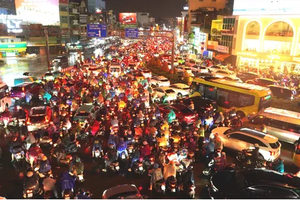
Under Circular No. 50/2025/TT-BCT issued by the Ministry of Industry and Trade, effective from June 1, 2026, all unleaded gasoline meeting current national technical standards must be blended and formulated as E10 gasoline for use in gasoline-powered engines nationwide.
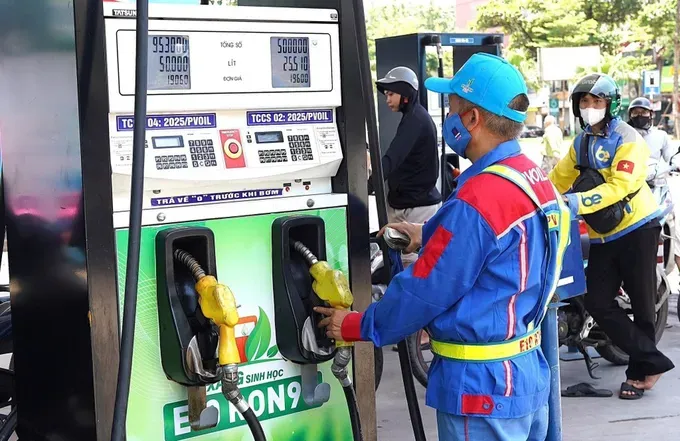
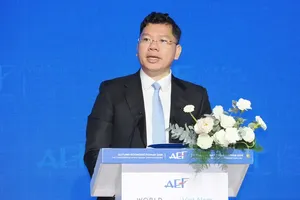
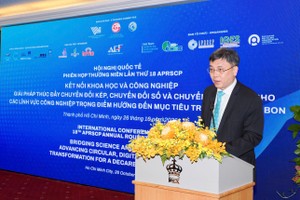
According to Dr. Dang Tat Thanh from the Department of Innovation, Green Transition and Industrial Promotion under the Ministry of Industry and Trade, the circular is designed with a phased roadmap, allowing for flexible adjustments during implementation. Specifically, E10 gasoline will take effect on June 1, 2026, while E5 RON92 will remain available until the end of 2030. The Ministry of Industry and Trade may revise blending ratios or add fuel grades if significant market volatility arises.
Mr. Ho Ngoc Linh, Deputy Head of the Petroleum Engineering Division at Vietnam National Petroleum Group (Petrolimex), noted that domestic refineries are still in the process of upgrading their technologies and are therefore not yet able to fully supply high-quality petroleum products that meet the new standards. As a result, a significant portion of high-grade fuel products continues to rely on imports.
Regarding supply concerns during the transition period, Dr. Dang Tat Thanh noted that ethanol shortages are unlikely, given sufficient domestic supply and the availability of competitively priced imports from major markets such as the United States and Brazil.
Circular 50 permits the simultaneous use of E5 and E10 gasoline, allowing domestic ethanol to meet an estimated 40–45 percent of demand and alleviating market pressure.
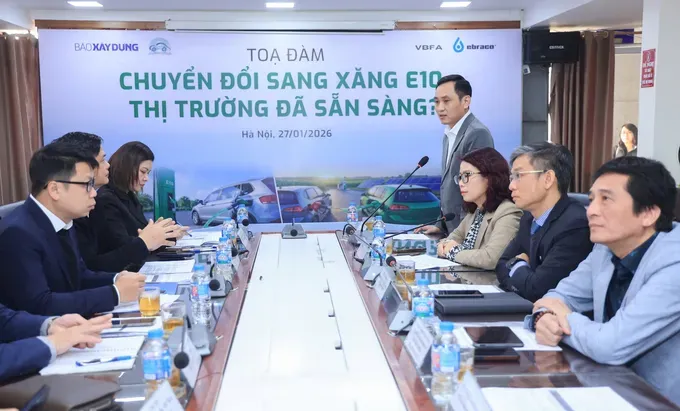
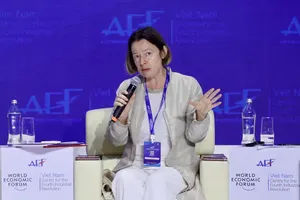
Regarding market regulation, Ms. Nguyen Thuy Hien, Deputy Director of the Domestic Market Management and Development Department under the Ministry of Industry and Trade, emphasized that the single-price mechanism plays a central role in regulating the petroleum market. Ethanol constitutes a specific share of biofuel costs, and price stabilization is carried out under the Law on Prices.
Abnormal market fluctuations will trigger cross-agency assessments and response planning by the Ministry of Industry and Trade, with final decisions referred to the Prime Minister.
According to Mr. Bui Ngoc Bao, Chairman of the Vietnam Petroleum Association, Vietnam has 33 import-export traders and 254 fuel distributors, but the network remains largely traditional, with products mainly meeting Euro 2 and Euro 3 standards. Euro 5 fuels represent only 1–8 percent of the market and are concentrated in major cities such as Hanoi, Da Nang and Ho Chi Minh City.
This situation makes it difficult for many consumers to access suitable retail outlets. From 2026, when enterprises will be allowed to set their own retail prices, market competition is expected to intensify.
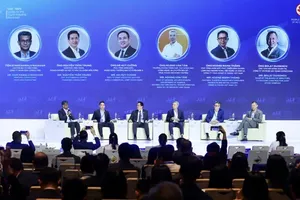
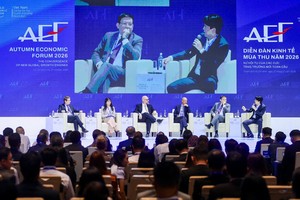
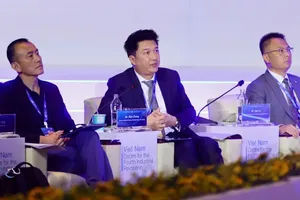
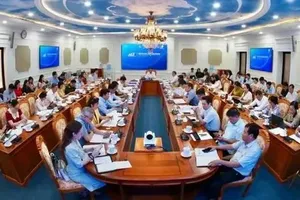
At the discussion, most participants agreed that large-scale implementation of E10 gasoline will only be effective if carried out in a coordinated manner across production, market management, and distribution, alongside market modernization measures to ensure a stable supply and facilitate both businesses and consumers.