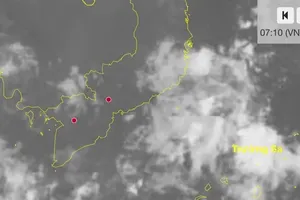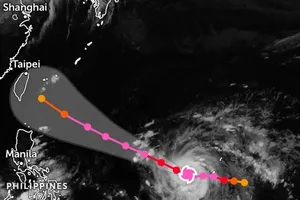
According to the center, El Niño is expected to continue influencing weather patterns from late November 2026 through May 2027, although its intensity is forecast to weaken from March to May 2027. In the coming months, temperatures nationwide are likely to remain above the long-term average, while rainfall is forecast to be 20-40 percent below average.
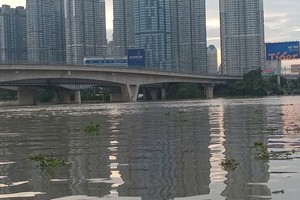
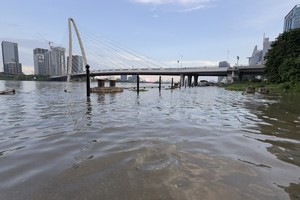
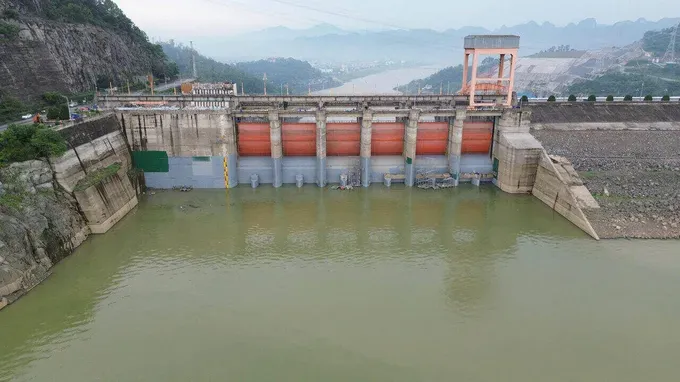
The hydro-meteorological agency forecasts river flows across the country's basins to be 20-40 percent below the long-term average, with deficits of up to 70 percent in some rivers. Inflows into reservoirs in the northern region are expected to fall 20-40 percent short of average levels, while those in the central and southern area could decline by 30-50 percent. Some reservoirs may face deficits of up to 70 percent.
Low rainfall combined with elevated temperatures is increasing the risk of drought and water shortages for domestic use and production. Localized water shortages could occur in parts of the northern region and the north-central area. Areas requiring particularly close monitoring include the south-central coast, the Central Highlands, and the Mekong Delta. In the Mekong Delta, authorities should be on alert for saltwater intrusion, which could reach levels comparable to those recorded during the 2015-2016 and 2019-2020 dry seasons.
Previously, from August to mid-November 2026, temperatures nationwide were above the long-term average, while rainfall deficits were recorded in many areas. River flows across most basins were 15-30 percent below average, with deficits exceeding 60 percent in some basins.
The hydro-meteorological agency also reported on reservoir storage levels. Currently, major hydropower reservoirs in the northern area and in the region stretching from Thanh Hoa to Hue City are at 77-99 percent of their designed capacity. Reservoirs from Da Nang City to Dak Lak and Dong Nai are generally at 40-80 percent of capacity. Irrigation reservoirs are averaging 63-86 percent of their designed capacity.
The National Center for Hydro-Meteorological Forecasting warned that water shortages could affect multiple sectors, including power supply, during the 2026-2027 dry season. The energy sector should begin preparing contingency plans to ensure electricity supply, particularly ahead of the peak heat season in 2027.
The agency also advised residents to use water efficiently, maintain appropriate water reserves, and adjust production plans in line with actual water availability. Local authorities and infrastructure operators should closely monitor rainfall, river flows, and reservoir storage levels; update water supply plans and reservoir regulation measures; prioritize domestic water needs; and balance demand for agriculture, power generation, and the maintenance of minimum river flows.