Deputy Prime Minister Ho Duc Phoc yesterday signed Official Dispatch No. 28/CD-TTg from the Prime Minister on enhanced management, administration, and price stabilization efforts. It is imperative to prevent speculation, hoarding, and unreasonable price increases.
Amidst volatile geopolitical shifts and fluctuating global energy prices, the Prime Minister has directed ministries, agencies, and local authorities to proactively manage and stabilize the costs of essential goods and services. To mitigate impacts on the consumer price index, public livelihoods, and business operations, the directive mandates rigorous market monitoring to ensure supply-demand balance and prevent shortages, hoarding, and speculative activities.
Specifically, for fuel products, the Ministry of Industry and Trade will take the lead, collaborating with relevant ministries to effectively and promptly implement the directives and solutions outlined in the Government's Resolutions, as well as the Prime Minister's directives and official dispatches aimed at enhancing measures to ensure the supply of fuel for production, business, and consumption by the public and enterprises.
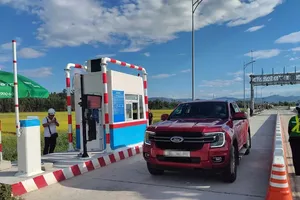
Regarding transportation services and port services, the Ministry of Construction and the People's Committees of provinces and cities are to intensify inspections of compliance with price listing measures, price declarations, and the collection of service fees in accordance with the listed prices of enterprises, and to strictly address any actions that exploit unreasonable price increases or introduce additional charges beyond the declared and listed prices.
Regarding food supplies, the Ministry of Agriculture and Environment and the Ministry of Industry and Trade coordinate the supply and demand of essential agricultural products across regions and localities, as well as for export needs, to stabilize market prices and prevent speculation, hoarding, and unreasonable price increases.
For pork products, the Ministry of Industry and Trade leads the review and assessment of the distribution channels, supply systems, slaughterhouses, and wholesale and retail points for pork to devise solutions that minimize intermediaries, thereby reducing circulation costs and selling prices; ultimately aiming to refine a streamlined and efficient distribution system with reasonable circulation costs within the pricing structure.
The Prime Minister has also requested timely action against hoarding and price inflation of construction materials, animal feed, fertilizers, and unreasonable increases in accommodation and tourism services.
For goods and services under state price control, leaders of ministries and localities are instructed to review those goods and services proposed for price adjustments in the near future, ensuring thorough preparation of plans and impact assessments on price levels, with the goal of controlling inflation amidst the ongoing conflict in the Middle East, to present to the competent authorities for consideration and decision on the appropriate level and timing of price adjustments to ensure inflation control objectives. The Ministry of Finance continuously monitors the overall situation, advising on policies and flexible pricing scenarios, especially for essential goods and services that have significant impacts.