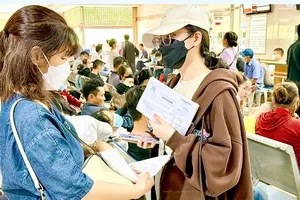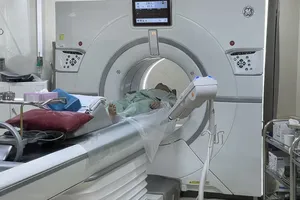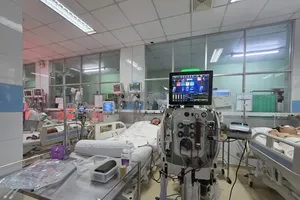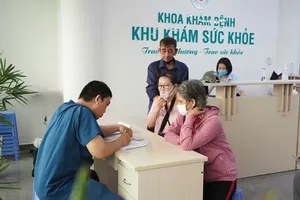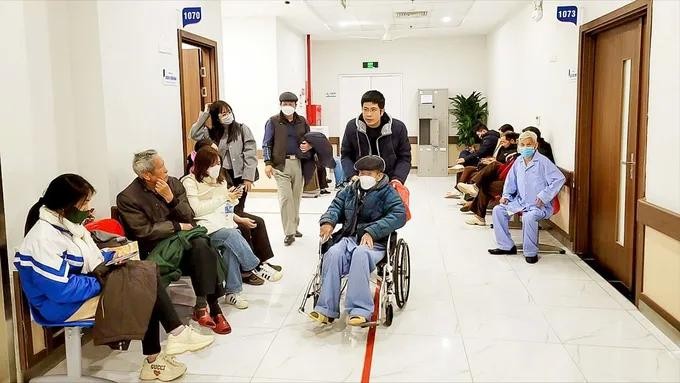
Average temperatures in the region range from 9–12 degrees Celsius, while mountainous areas record 6-9 degrees Celsius, and high mountain zones drop below 5 degrees Celsius, with frost and ice formation likely. On January 6, major hospitals in Hanoi, such as Bach Mai Hospital, National Geriatric Hospital, 108 Central Military Hospital, National Children’s Hospital, and Thanh Nhan Hospital, reported a sharp rise in patients suffering from cold-related health issues, particularly cardiovascular and respiratory diseases.
At E Hospital, the number of stroke cases has increased notably in recent days. According to doctors, hospital admissions typically rise by about 15 percent during cold spells, especially among those with a history of stroke or cerebrovascular disease. When temperatures drop below 15 degrees Celsius or fluctuate suddenly, the risk of stroke can surge by up to 80 percent. At Bach Mai Hospital’s Stroke Center, many recent stroke cases have involved patients under 45 years old; many of whom have a history of hypertension, smoking, or alcohol use. Cold weather constricts blood vessels, raises blood pressure, and thickens the blood, increasing the likelihood of clots that trigger strokes.
Meanwhile, the National Geriatric Hospital has received numerous elderly patients with respiratory conditions due to weakened immunity and resistance. Dr. Le Chung Thuy, Deputy Head of the Department of Cardiology and Respiratory Medicine, noted that older adults with chronic respiratory illnesses particularly chronic obstructive pulmonary disease (COPD) are highly sensitive to changes in weather and air quality. Sudden temperature shifts or pollution can irritate the airways, and even mild infections, sore throats, or missed medications can cause symptoms to worsen rapidly, often requiring hospitalization.
For children, whose immune systems are still developing, cold spells increase the risk of respiratory illnesses such as sore throat, fever, allergic rhinitis, and dry cough. In newborns, untreated respiratory infections may lead to serious complications like bronchitis or pneumonia.
To protect public health during this cold period, doctors advise residents to keep their bodies warm, particularly the chest and neck, and to maintain a balanced, nutritious diet to boost immunity. Elderly people and those with chronic conditions should avoid going outdoors during extremely cold weather. Children should receive all necessary vaccinations and be taken to a doctor promptly if they show symptoms such as cough, fever, or shortness of breath. Parents are also cautioned not to administer medication to children without medical guidance.