They travel abroad to provide treatment, transfer advanced techniques, and train local personnel. Through every surgery and lecture, the image of a humane, resilient, and globally integrated Vietnamese healthcare system is being etched ever more clearly in the eyes of international partners.
The “Vietnamese doctor” brand
In Phnom Penh, the capital of Cambodia, Vietnamese medical professionals have worked tirelessly for nearly 15 years. Speaking Vietnamese yet regarded as family by local residents, they serve day and night at Cho Ray Phnom Penh Hospital, a facility that carries Vietnam’s medical brand and is trusted for both its ethics and expertise.
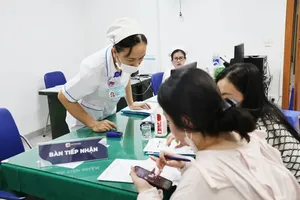
“We come here to be treated by Vietnamese doctors. We trust only their professional competence,” is a common refrain among Cambodian patients seeking care at the hospital.
According to Dr. Ton Thanh Tra, Director of Cho Ray Phnom Penh Hospital, construction began in May 2010, and the hospital became operational in 2014 under a joint policy initiative of the Vietnamese and Cambodian governments. It was the first healthcare investment cooperation project between the two countries, symbolizing the enduring friendship and comprehensive partnership between HCMC and Phnom Penh.
With 26 departments and units and a workforce of 302 staff, including 25 Vietnamese doctors and healthcare professionals, the hospital is classified as a Grade 3 facility — the highest tier in Cambodia. It has become one of the country’s most reliable medical addresses, with patient numbers rising steadily, particularly in recent years.
Vietnamese doctors have pioneered and transferred numerous advanced techniques in Cambodia, including complex orthopedic trauma surgeries, pacemaker implantation, and hemodialysis. Dr. Ton Thanh Tra, the hospital’s longest-serving director, spent more than seven years on assignment in Cambodia. During the height of the Covid-19 pandemic, he and his Vietnamese colleagues remained on the front lines. At that time, Cho Ray Phnom Penh Hospital was designated by the Cambodian government as a Covid-19 treatment center.
“Despite the hardships and potential risks to our own health and lives, we never abandoned our duty,” he recalled.
Cho Ray Phnom Penh Hospital has helped consolidate and deepen the good neighborly ties, traditional friendship, and comprehensive, long-term, sustainable cooperation between Vietnam and Cambodia. Each patient who receives consultation, care, and successful treatment becomes a living bridge, contributing to the further strengthening of friendship and collaboration between the two nations. This represents a historic mission that transcends professional duty, PM Pham Minh Chinh said during his visit to and meeting with doctors and medical staff at Cho Ray Phnom Penh Hospital on November 9, 2022)
Vietnamese doctors based at Cho Ray Hospital in HCMC have also played a vital supporting role, conducting cross-border teleconsultations and even traveling overnight to Cambodia to perform life-saving surgeries. Over time, the “Vietnamese doctor” brand has become synonymous with trust among the Cambodian people.
“Hello Vietnam!” “Vietnam very good!” These are greetings frequently heard by Vietnamese blue-beret peacekeepers wherever they go in South Sudan. Amid Africa’s scorching heat and protracted instability, where gunfire can still punctuate the cries of hungry children, Vietnamese military doctors quietly carry out their mission. They heal not only wounds but also nurture faith in peace and humanity.
Dr. Tran Duc Tai, Director of Vietnam’s Level 2 Field Hospital Rotation No.7, said that working conditions at the Bentiu base under the United Nations Peacekeeping Mission are extremely challenging. Shortages of supplies, harsh climate, tropical diseases, and constant security risks define daily life.
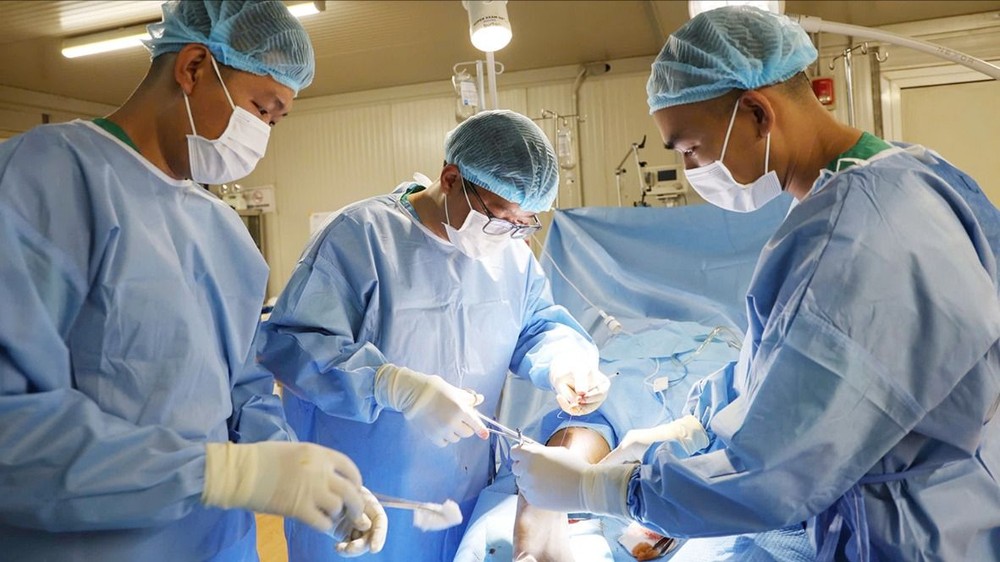
Despite such adversity, Vietnamese medical personnel have handled hundreds of cases for peacekeeping forces and local residents. These include conflict-related trauma injuries, severe malaria cases, and emergency obstetric interventions performed in stormy nights. For them, each life saved is not merely a professional accomplishment but a humanitarian mission and a bridge connecting Vietnam with the international community.
Dr. Tran Duc Tai emphasized that hardships have further forged the resilience and professionalism of Vietnam’s People’s Army. Since deployment, the field hospital has prioritized training and knowledge-sharing through workshops, intensive courses, and field drills. Topics range from emergency response and cardiopulmonary resuscitation to mental health care, malaria prevention, and snakebite management.
Through concrete and effective actions, Level 2 Field Hospital Rotation No.7 has affirmed its role as a reliable medical pillar within its operational sector, projecting the image of Vietnamese blue-beret soldiers as steadfast, compassionate, and highly professional peacekeepers.
Major General Nguyen Hong Son, former Director of Military Hospital 175 under the Ministry of National Defense and a long-time contributor to Vietnam’s peacekeeping forces, noted that Vietnam’s participation in UN peacekeeping operations since 2014 marks a significant milestone in international integration. Within that framework, military medical units play an especially crucial role.
In South Sudan, a country still grappling with post-civil war instability and severe healthcare shortages, where mortality from infectious diseases and obstetric complications remains high, the presence of Vietnamese doctors extends beyond serving international forces. They also support local communities through free medical examinations, medicine distribution, and public health guidance.
In a world still scarred by conflict, these Vietnamese doctors are sending a simple yet powerful message: peace begins with the protection of life.