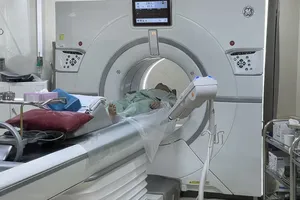
Beyond increasing chronic respiratory and cardiovascular diseases, prolonged exposure to polluted air has led to a noticeable rise in ear, nose, and throat (ENT) disorders, significantly affecting people’s quality of life.
In recent months, hospitals across Ho Chi Minh City have recorded a sharp increase in patients seeking treatment for respiratory and ENT-related illnesses. According to Ho Chi Minh City Ear, Nose and Throat Hospital, the facility receives around 1,200 patient visits daily, an increase of 3 percent compared with previous years.
Alterations in weather patterns, shifts in seasons, and particularly fine dust pollution have emerged as significant contributors to the increase in ENT diseases. Associate Professor Le Tran Quang Minh, Director of the Ho Chi Minh City Ear, Nose and Throat Hospital, clarified that the ENT area functions as the entry point to the respiratory system, indicating that pollutants frequently inflict harm in this region prior to affecting the lungs.
Worryingly, fine dust particles may contain traces of heavy metals that, when inhaled, can lead to chronic sinusitis, pharyngitis, and otitis media, increasing the risk of lung disease and respiratory cancer.
At University Medical Center Ho Chi Minh City, Dr. Ly Xuan Quang, Head of the ENT Department, reported that on days when fine particulate matter (PM2.5) levels are high, the number of patients rises by 20 percent to 30 percent compared with normal days. Both children and the elderly are particularly affected, often experiencing recurrent and hard-to-treat symptoms such as nasal congestion, runny nose, sore throat, ear pain, tinnitus, hearing loss, hoarseness, and difficulty swallowing.
Medical experts caution that early symptoms of ENT diseases caused by air pollution are easily mistaken for those of the common cold. The common cold, which is a viral infection of the upper respiratory tract, usually lasts only 48–72 hours and often resolves with proper home care. However, if symptoms persist beyond three days especially if green or yellow sputum, fever, headache, or sinus pain occurs, it may signal a bacterial infection or complications, requiring medical examination and treatment.
Air pollution fuels rise in chronic ENT diseases
According to Dr. Le Tran Quang Minh, PM2.5 particles can penetrate deep into the respiratory tract and adhere to the mucous membranes of the nose, throat, and sinuses. Continuous exposure to polluted air damages the cilia, the body’s natural protective barrier allowing bacteria and viruses to invade more easily.
As a result, ENT diseases not only develop more readily but also tend to last longer and become chronic if not properly managed. “The rise in ear, nose, and throat diseases due to air pollution is not just an individual issue, it places an additional burden on the healthcare system, increasing medical costs, medication use, and work absences. For chronic patients, prolonged treatment is both expensive and psychologically taxing,” Dr. Minh noted.
He warned that many people underestimate the disease and self-medicate with anti-inflammatory drugs, which can lead to long-term health risks. Proper treatment requires adherence to medical principles: the right medication, correct route of administration, appropriate dosage, and proper duration.
Because tissues in the ear, nose, and throat are highly sensitive, using local medications requires particular care. Parents are advised not to give medications to children without a doctor’s guidance.
In light of rising pollution-related illnesses, the Department of Disease Control under the Ministry of Health recommends that citizens protect their respiratory and ear, nose, and throat health by wearing certified masks outdoors, avoiding polluted environments, maintaining nasal and throat hygiene, gargling with suitable antiseptic solutions, and seeking medical advice if symptoms persist.
During periods of heavy air pollution, anyone experiencing acute symptoms such as fever, pharyngitis, bronchitis, or cardiovascular complications should promptly visit a healthcare facility for diagnosis and treatment.