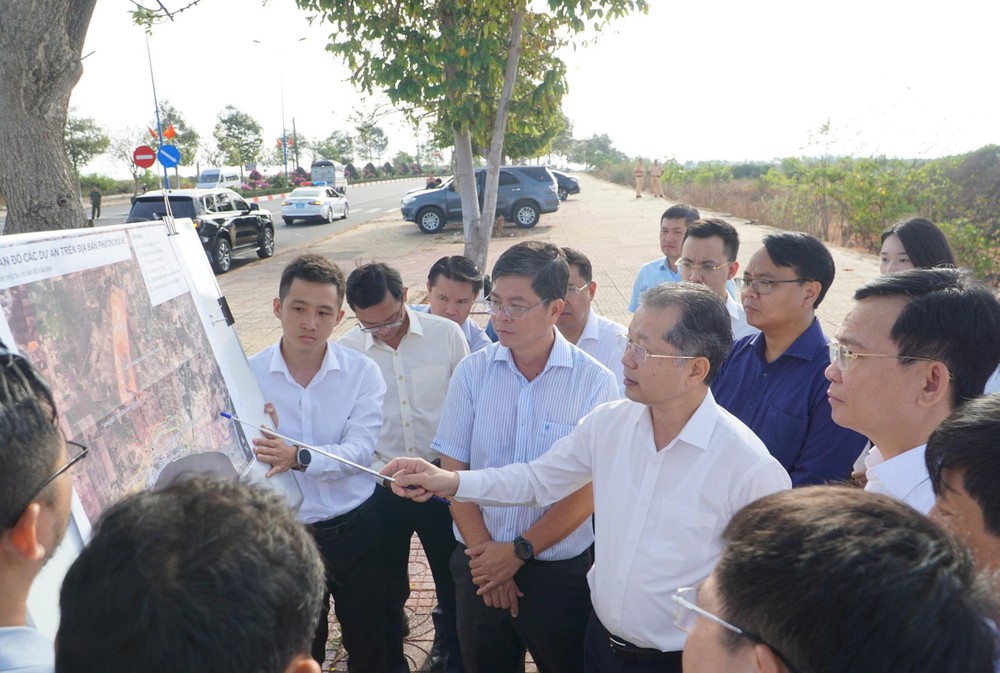
According to the provincial People’s Committee, Lam Dong’s coastal area is being structured around three primary growth corridors: along the DT.706B route, the Hoa Thang area, and the Bung Thi – Ta Kou zone. These clusters currently host 19 projects covering nearly 22,000 hectares, drawing strong interest from strategic investors. Specifically, the DT.706B corridor comprises eight projects spanning 1,305 hectares; Bung Thi – Ta Kou includes six projects totaling 13,957 hectares; and Hoa Thang accounts for five projects over 6,776 hectares.
The province is drafting a comprehensive plan for the Southern Coastal Economic Zone, projected to cover approximately 75,000 hectares, including 67,000 hectares of land and 8,000 hectares of sea surface. The zone will extend across Son My, Ham Tan, Tan Minh, Tan Hai, Phuoc Hoi, and La Gi. It benefits from strategic connectivity to major transport arteries such as the North–South Expressway, National Highways 1 and 55, and interregional routes, while being in proximity to key logistics hubs including Cai Mep Port, Phan Thiet Airport, Long Thanh Airport, and HCMC.
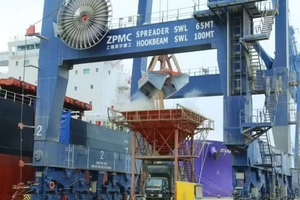
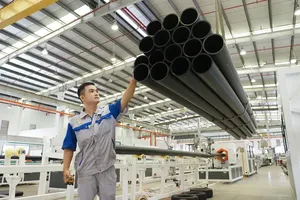
Under the proposed master plan, the economic zone is expected to accommodate 12 industrial parks covering 8,560 hectares and 11 industrial clusters spanning 481 hectares. A major seaport-logistics complex in Son My is also envisioned, capable of handling large-tonnage vessels and processing millions of tons of cargo annually. The area will be closely linked with the Son My Power Center, LNG storage and port facilities, and renewable energy projects, while also promoting coastal tourism and service industries. In total, the zone is projected to attract around 210 investment projects.
To date, Lam Dong has completed the restructuring of its two-tier local government apparatus, which is now operating stably. Administrative reform and digital transformation have shown tangible progress. The province is focusing on resolving bottlenecks, accelerating infrastructure development in industrial parks and clusters, and has recently licensed three projects with a combined capital of VND365 billion.
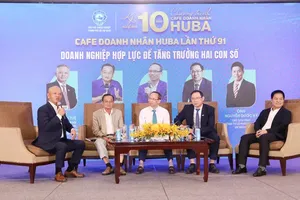
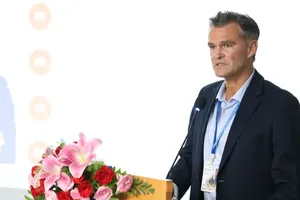
At the meeting, Mr. Nguyen Van Quang commended Lam Dong’s efforts in investment attraction, governance reform, and addressing project-related challenges. He emphasized that the coastal zone represents a critical development space, with flagship projects expected to serve as catalysts for socio-economic growth.
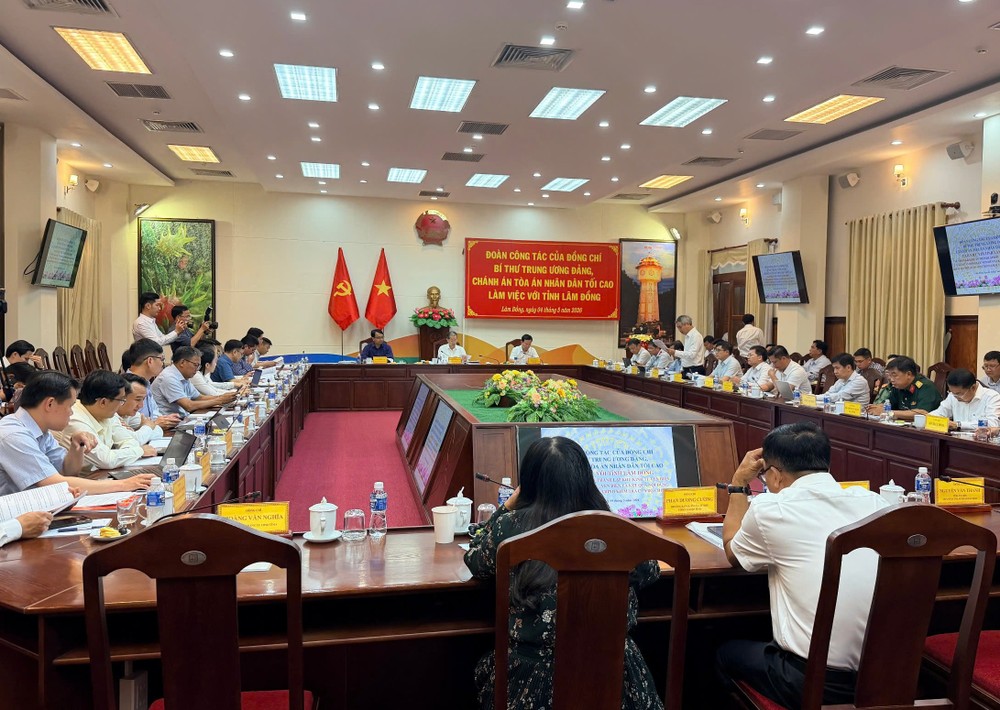
He underscored two key priorities: transport connectivity and essential infrastructure, particularly water supply, drainage, and waste treatment systems. In the immediate term, the province should finalize its post-merger master plan, ensuring alignment with regional, sectoral, and neighboring local plans.
He also urged Lam Dong to review and refine its reports, clearly distinguishing issues within local jurisdiction from those requiring central support, while expediting public investment disbursement, removing project bottlenecks, and formulating phased growth scenarios.
In addition, the province was advised to advance digital transformation in forest resource management, agricultural zoning, and mineral oversight; proactively propose tailored policy mechanisms; and strengthen infrastructure linkages with neighboring provinces such as Dong Nai, HCMC, and Khanh Hoa to drive sustainable development.