HCMC is targeting double-digit growth in 2026, with energy security and green development identified as core priorities, while rooftop solar power remains a largely untapped resource, according to Ms. Nguyen Thi Kim Ngoc, Deputy Director of the HCMC Department of Industry and Trade.
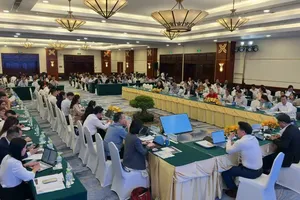
Speaking at a seminar titled “Ensuring Energy for HCMC’s Double-Digit Growth Target,” organized by Nguoi Lao Dong (Laborers) Newspaper on May 5, experts and policymakers underscored the need to accelerate rooftop solar deployment to meet rising electricity demand and safeguard energy security.
Mr. Bui Quoc Hoan, Deputy CEO of Southern Power Corporation, revealed that a draft decree on rooftop solar is being circulated for feedback by the government and the Ministry of Industry and Trade. The draft introduces several notable changes, including more flexible grid connection rules, provisions for non-export systems, and relaxed capacity limits.
Significantly, the self-consumption mechanism is being revised to increase the compensation rate for surplus electricity fed back into the grid from 20 percent to 50 percent, based on market prices.
As Vietnam transitions toward a competitive power market, the average electricity price in 2025 is projected to reach around VND1,100 per kWh, up from roughly VND 800 per kWh at present. The shift away from fixed pricing to market-based mechanisms is expected to enhance the economic viability of rooftop solar projects.
Mr. Bui Quoc Hoan noted that direct power purchase agreements (DPPA) are already feasible and have been adopted by several enterprises. As financial benefits become clearer, adoption is likely to accelerate. From a technical standpoint, energy storage systems play a pivotal role in optimizing costs and improving electricity efficiency.
The investment case is also becoming increasingly attractive. In southern Vietnam, households installing rooftop solar systems combined with storage can expect payback periods of approximately 3.5 to 4 years. For businesses, the timeframe is slightly longer at 3.5 to 4.5 years, compared to around 7 years previously.
He also highlighted a shift in electricity demand toward evening hours, underscoring the importance of integrating storage solutions to meet peak demand. To date, 1,581 self-consumption rooftop solar systems are in operation, with a combined capacity of 443 MWp, accounting for roughly 1 percent of total commercial electricity output.
From a regulatory perspective, Ms. Nguyen Thi Kim Ngoc reaffirmed that HCMC’s 2026 growth ambitions hinge on a reliable energy supply and sustainable development. The city currently hosts 22,355 rooftop solar systems with a total installed capacity of approximately 1,832 MWp, yet significant potential remains, particularly across residential, commercial, and industrial segments.
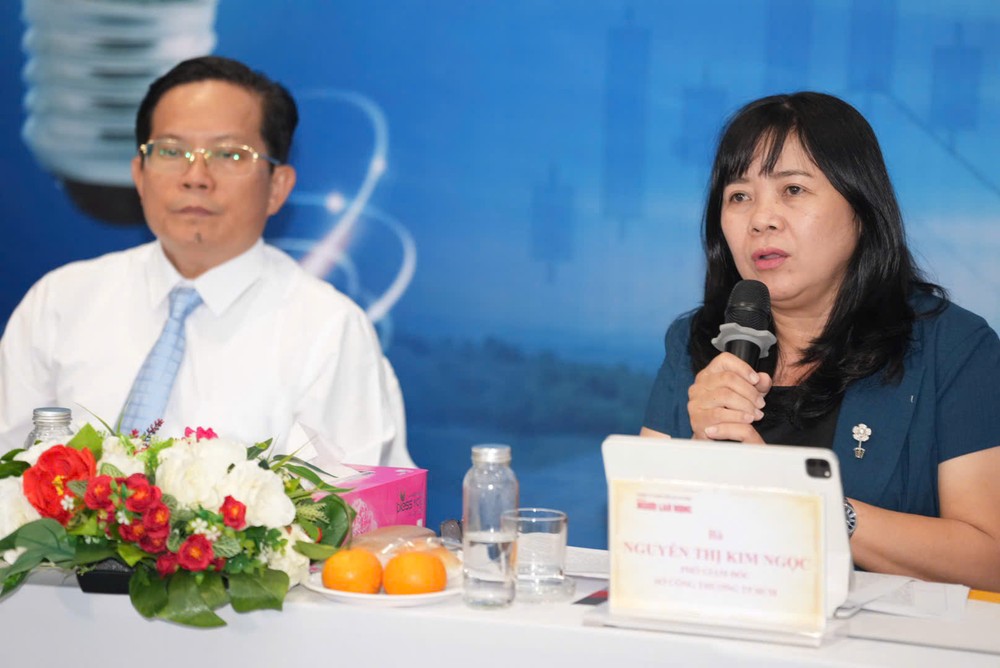
To unlock this capacity, the city is implementing a range of measures, including enhanced public awareness campaigns, expanded access to green credit and concessional financing, and the promotion of energy service company (ESCO) models to ease upfront investment burdens. Authorities are also advancing digital transformation, streamlining administrative procedures, mapping solar potential, and refining support mechanisms for self-consumption systems.
HCMC is further promoting the integration of rooftop solar with energy storage to alleviate peak load pressure, improve efficiency, and support its broader goals of green growth and long-term energy security.