The Vietnam Sanitary and Phytosanitary Notification Authority and Enquiry Point (SPS), under the Ministry of Agriculture and Environment, announced that China’s General Administration of Customs has introduced new regulations on declaration management for foreign enterprises exporting agricultural products to the Chinese market.
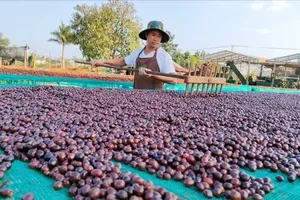
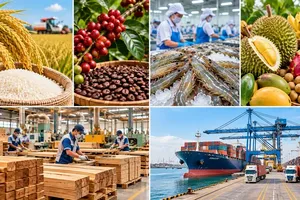
Accordingly, 2,589 products belonging to 20 product groups must be registered and have a confirmation letter from the competent authority when exported to the Chinese market. These include aquatic products, fresh fruit, fresh vegetables, spices, medicinal herbs, coffee, nuts, seedlings, grains, tobacco leaves, animal feed, and products of animal origin. This list was developed based on a quarantine risk assessment of imported agricultural products and is consistent with international practices.
According to Ngo Xuan Nam, Deputy Director of the SPS Office, for agricultural products on the mandatory list, businesses exporting to China must fully and accurately declare the registration number in China or the registration number of the foreign enterprise in China on the customs declaration form. If a declaration contains multiple items, the registration number must be declared separately for each enterprise corresponding to each item.
China's announcement of the specific product list and the requirement for enterprise registration is a step towards tightening management in a transparent and traceable manner. Therefore, exporting businesses need to proactively review their products, registration documents, and declared information to ensure full compliance from the initial stages, avoiding the risk of delays during customs clearance.
Currently, the SPS Office has requested specialized management agencies to coordinate in guiding businesses in each sector, and also recommended that businesses exporting agricultural products to the Chinese market promptly update new regulations, standardize documentation and declaration procedures to ensure smooth export operations in the future.