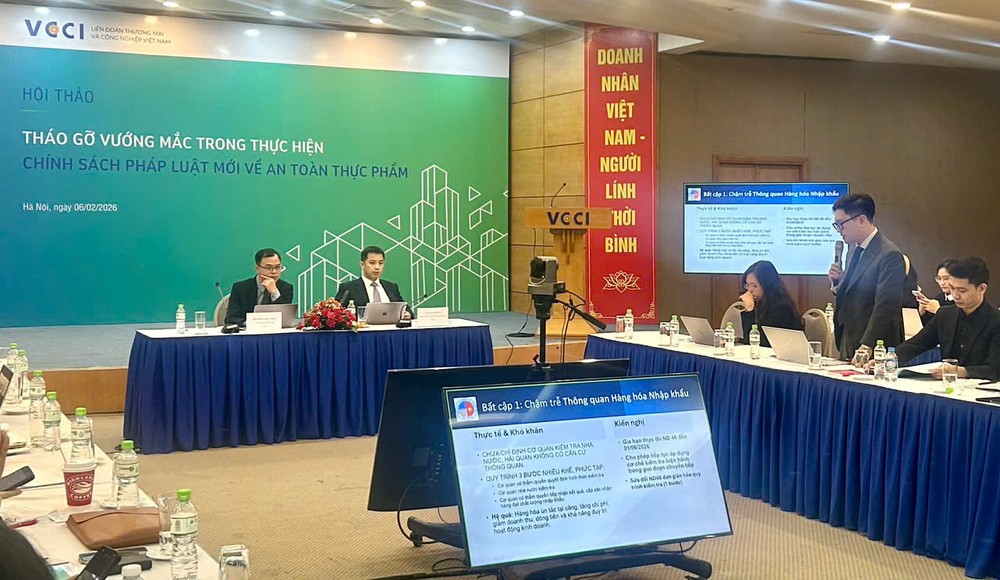
Speaking at the event, Mr. Dau Anh Tuan, VCCI Deputy Secretary General and Head of its Legal Department, said that Government Resolution No.09/2026/NQ-CP, issued on February 4, 2026, which temporarily suspends the enforcement of Decree No.46/2026/ND-CP guiding the implementation of the Law on Food Safety, had allowed businesses to narrowly “escape danger” at a time when supply chains were facing the risk of disruption.
However, the representative of VCCI stressed that suspending Decree 46 should be seen only as a temporary “emergency brake” and does not address the core problems unless the decree itself and Government Resolution No.66.13/2026/NQ-CP, issued on January 27, 2026, on post-market inspection and risk-based management for food product declaration and registration, are fundamentally revised.
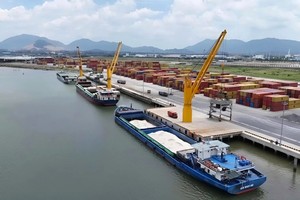
According to a preliminary survey by four industry associations, before Resolution 09 took effect, more than 123,000 tons of imported packaged foods, raw materials, packaging, and food additives were congested at ports and border gates. Earlier, nearly 300,000 tons of agricultural produce and fresh food had fallen into a similar backlog.
At the seminar, association representatives emphasized that Resolution 09 is merely a stopgap measure. With April 15, 2026—the date when Resolution 09 expires—fast approaching and core policy shortcomings still unresolved, the business community warned that Decree 46 and Resolution 66 are causing pre-inspection procedures to become bloated and overlapping.
According to the Association of Food Transparency (AFT), Decree 46 has excessively expanded the scope of State inspection in a non-selective manner. Not only imported finished products, but also raw materials, additives, and packaging used for in-house production are subject to pre-inspection requirements, along with mandatory conformity declarations.
AFT cited the case of a shipment imported from India that already held full organic certification and a stable export history to Vietnam, yet was still required to obtain an additional food safety certificate issued by authorities in the exporting country and undergo sampling tests at designated domestic laboratories. In practice, many testing facilities lack clear guidance, while the testing criteria required by the Ministry of Health are complex and differ from international standards.
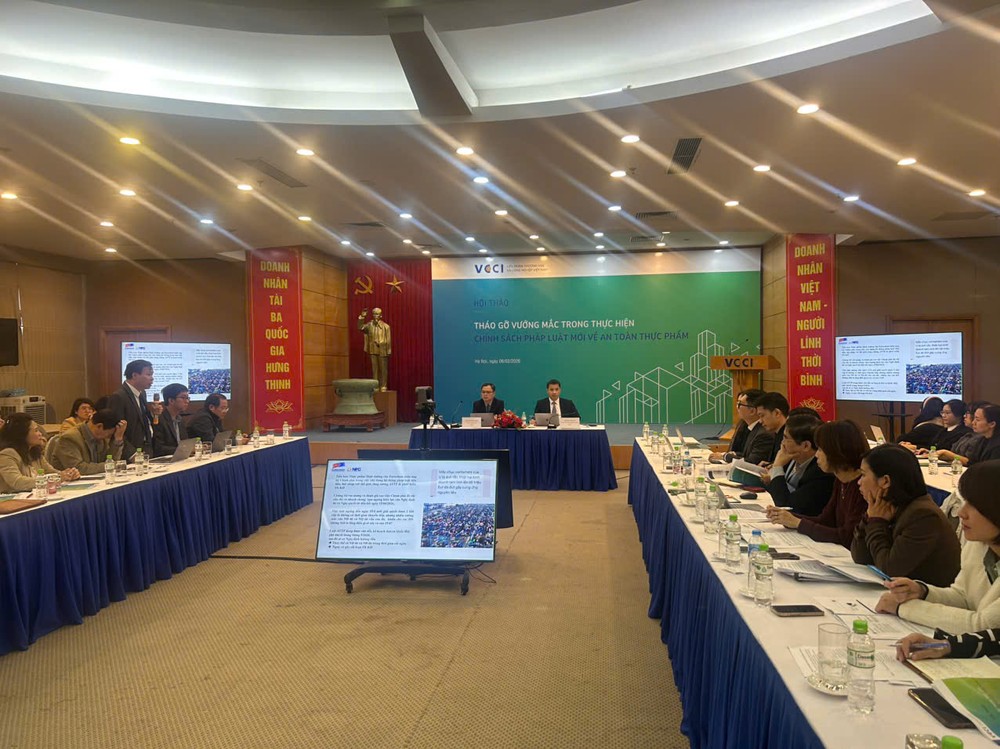
Meanwhile, representatives of the European Chamber of Commerce in Vietnam (EuroCham) noted that under Decree 46, the level of State inspection has increased multiple times—from document-based checks to document reviews combined with sampling tests, and even inspections covering raw materials and packaging. The process has expanded from two levels to three, while the number of accredited testing laboratories has declined.
At the seminar, businesses and industry associations jointly proposed that the Government extend the enforcement timeline of Decree 46 until at least June 1, 2026, and revise the decree to streamline State inspection procedures into a single step. They also called for exemptions from conformity declarations for imported additives, processing aids, utensils, and packaging used for internal production.
Regarding Resolution 66, the associations urged authorities to classify product declaration registrations based on risk levels to reduce overlap and administrative burdens.