Tradition thrives in the urban landscape
As the second Ho Chi Minh City Ao Dai Culture Festival unfolds in October under the theme Saigon Ao Dai, with women showcasing the beauty of the traditional dress, discussions about preserving and promoting the garment have gained renewed attention.
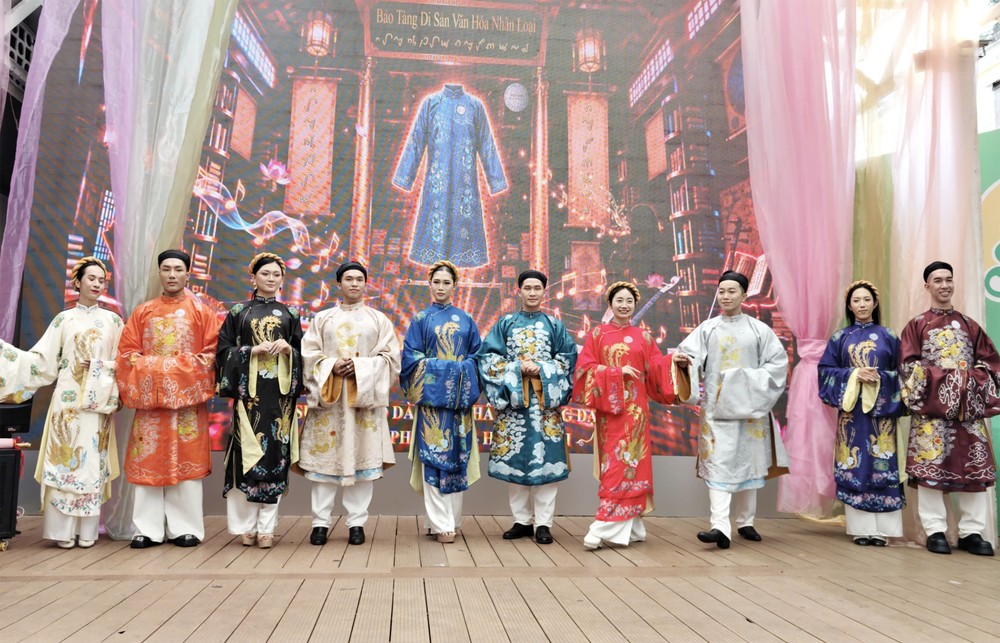
Ao dai is considered a cultural bridge linking the traditions of the former Saigon-Gia Dinh-Cho Lon-Binh Duong-Ba Ria-Vung Tau region with the image of a creative, globally connected, and developing Ho Chi Minh City today.
The “1,000 Faces - 1,000 Stories of Saigon Ao Dai” project aims to preserve the images, memories, and stories of people closely associated with ao dai, contributing to a community archive on ao dai culture in Ho Chi Minh City. The project is being carried out by the Ho Chi Minh City Ao Dai Association and its partners.
Fashion designer Tran Phuong Hoa said that on Ho Chi Minh City's historic streets, ao dai remains a vibrant cultural symbol that reflects the enduring vitality of tradition in contemporary life.
“Young people are increasingly proud to wear ao dai at festivals, events, and social activities. That is an encouraging sign. When younger generations embrace ao dai, the future of this heritage is ensured and its values continue to spread,” she said.
Researcher, designer, and artisan Ha Van Loi recently introduced new designs of the five-panel ao dai. The effort is part of his work to bring the traditional garment closer to modern life.
Through these special designs, the public can better appreciate the five-panel ao dai in terms of aesthetics and tailoring techniques, particularly its links to Vietnamese history, ethics, and cultural values.
Ao dai adds value to tourism experiences
Ao dai is not only created through fabric and craftsmanship but also preserved through memories, cultural pride, and the dedication of generations of Vietnamese people.
Behind every ao dai are hand-embroidery artisans, devoted tailors, creative designers, cultural researchers, and women who have preserved its beauty across generations. As a result, promoting a love for ao dai without creating better conditions for artisans to earn a living from their craft remains a challenge for its continued development.
To support those who preserve the profession and raise awareness of the value of handcrafted work within the ao dai creative chain, the Ho Chi Minh City Ao Dai Association, through its Livelihood Fund and the “Ao Dai Gratitude” program, has honored and supported artisans, craft workers, women in the profession, and individuals dedicated to preserving the essence of Vietnamese ao dai.
Chairwoman Anna Hanh Le of the Ho Chi Minh City Ao Dai Association said that heritage continues to thrive because thousands of people love, wear, design, sew, and embroider ao dai. They are the ones preserving and telling its stories. The association's responsibility is to connect those working in the profession and create opportunities for them to innovate.
From the stories of artisans to creative activities and public engagement programs, ao dai is increasingly being viewed as a cultural resource capable of contributing to tourism and the creative economy.
Integrated with photography, fine arts, publishing, and live performance, ao dai can emerge as a distinctive cultural export. The traditional garment, along with the heritage narratives surrounding it, offers immersive experiences for domestic and international travelers, reinforcing Vietnam's global image through an iconic symbol of national identity.
Aimed at preserving and elevating the traditional ao dai in contemporary culture, the Ho Chi Minh City Ao Dai Association has introduced the Ho Chi Minh City Ao Dai Ecosystem Project for 2026–2030. The scheme seeks to propel Ho Chi Minh City's cultural industries forward through innovation, sustainability, and global integration.