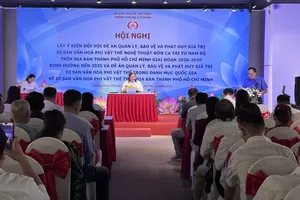
Addressing the conference, Nguyen Thi Anh Thi, Vice Chairwoman of the Da Nang People's Committee, stated that over more than five centuries, the Quang Nam–Da Nang region has continuously evolved. Despite numerous administrative boundary adjustments, its historical and cultural space has maintained continuity, fostering a distinct identity characterized by an open spirit, strong adaptability, and cultural exchange.
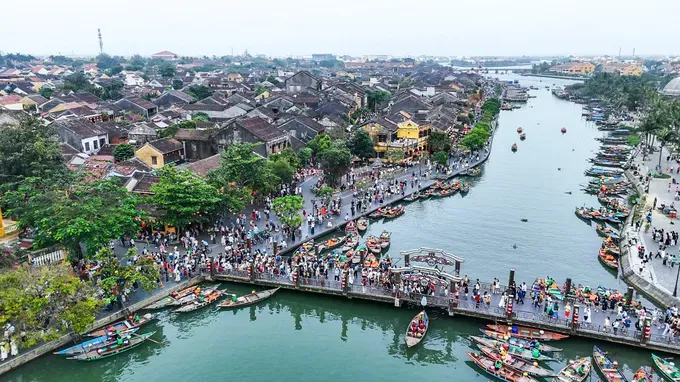
Throughout history, Hoi An flourished as a major international trading port and a crossroads of regional and global cultural integration between the 16th and 18th centuries. This rich heritage contributed to the outstanding universal value of Hoi An Ancient Town, which was recognized by UNESCO as a World Cultural Heritage site in 1999.
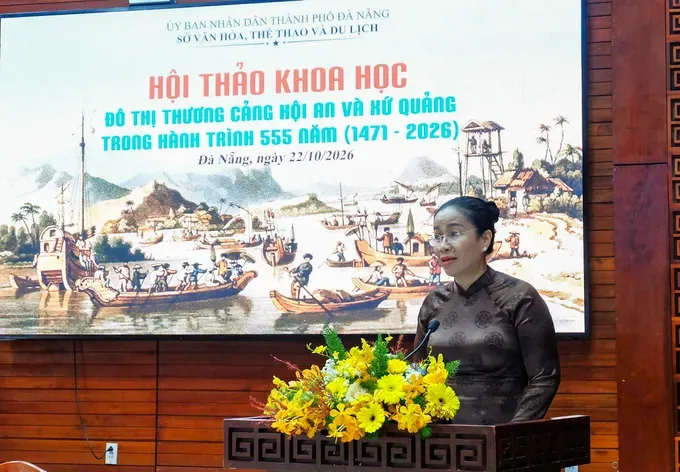
Reflecting on the 555-year journey, officials emphasized that the future development of Hoi An must remain tied to the preservation and promotion of its historical and cultural roots, aligning with Da Nang’s modern appearance and new development space.
Papers presented at the conference examined the formation and evolution of the Quang region and Hoi An's pivotal role in Southeast Asian and Asian maritime trade networks from the 16th to the 18th centuries. Beyond adding new historical documentation, speakers proposed solutions to preserve and leverage heritage value in connection with tourism development, the heritage economy, and digital transformation aimed at sustainable growth.
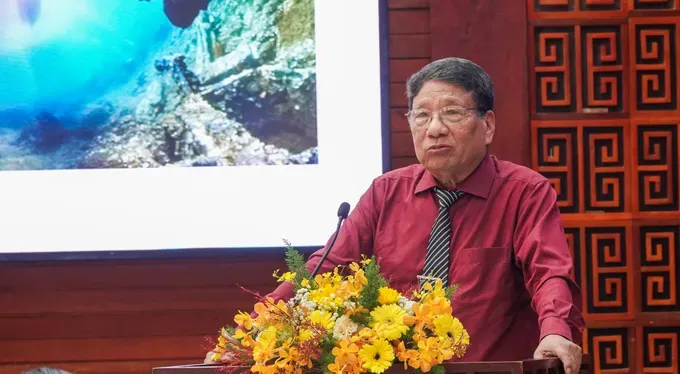
Associate Professor Dr. Dang Van Bai, former Director of the Department of Cultural Heritage under the Ministry of Culture, Sports and Tourism, highlighted the need to leverage the trading tradition, maritime mindset, and innovative spirit of the Quang people in Da Nang's development. He proposed dredging the Co Co River, restoring the canal system, and developing eco-friendly spaces alongside authentic local tourism products, integrated with heritage preservation.
He added that developing cultural industries and integrating the heritage economy with digital technology could serve as sustainable drivers of economic growth. Consequently, he suggested that the Da Nang Department of Culture, Sports, and Tourism collaborate with relevant agencies to build an integrated program for the heritage economy and cultural industries, refine tourism offerings at the Dien Hai Citadel Special National Monument, and formulate plans for the conservation and promotion of the Dong Duong Buddhist Monastery.
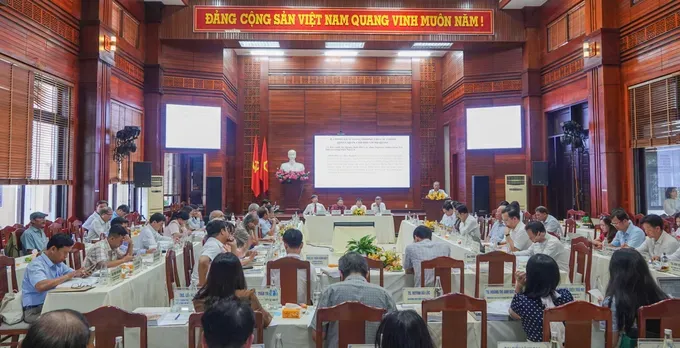
Dr. Nguyen Thu Trang from the Faculty of History and International Relations at the University of Social Sciences and Humanities under Vietnam National University - Ho Chi Minh City noted that Hoi An possesses strong advantages for developing a heritage city, given its historical legacy as an international trading port, a rich ecosystem of heritage, and extensive experience in heritage conservation. However, she noted that local authorities must refine governance mechanisms and strengthen coordination among the government, enterprises, and local communities, linking preservation directly with socio-economic development, tourism, and cultural industries.
Connecting the ancient town with traditional craft villages, ecological zones, and riverine landscapes will expand visitor experiences, disperse tourist crowds, and enhance heritage value, Trang added. At the same time, she urged accelerating digital transformation, building resilience against climate change, managing commercialization, and protecting original heritage elements, cultural landscapes, and community spaces.