Domestic cinema is witnessing a shift in the role of female filmmakers. Female identity is moving beyond mere character depiction to encompass the right to choose narratives, shape perspectives, and forge distinct artistic voices within the cinematic landscape.
Moving beyond stereotypes
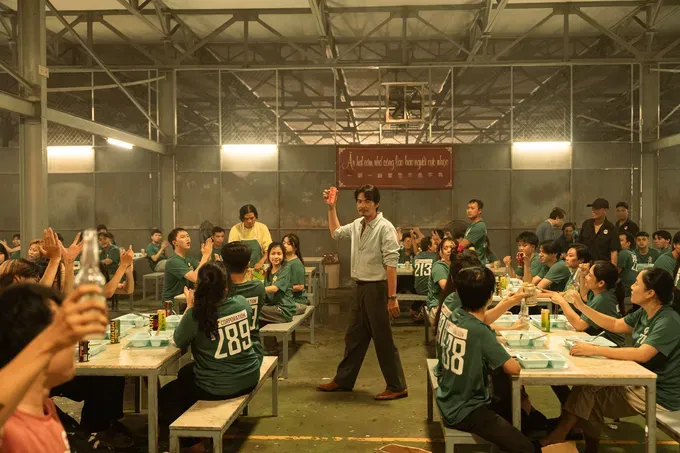
Several recent films have highlighted notable shifts in how female characters are portrayed. In the movie titled “Trai Buon Nguoi” (Human Trafficking Camp) directed by Toni Duong Bao Anh, the two mothers played by People's Artist Nhu Quynh and Meritorious Artist Tuyet Thu embody familiar traits like self-sacrifice to protect their children; the younger female characters—despite being thrust into severe circumstances—demonstrate distinct responses: some take proactive action, others remain passive, while some make controversial choices.
These nuances prevent female characters from being pigeonholed into rigid tropes, allowing them to serve as compelling counterparts to their male counterparts.
On a more slice-of-life level, the television series “Can Nha Khong Mai Che” (Roofless House), directed by Bui Tien Huy and Pham Gia Phuong, depicts the character Hanh (played by Phan Minh Huyen) with familiar traits of devotion and sacrifice for her children.
However, after enduring emotional trauma in her marriage, Hanh decides to leave her husband and build a peaceful new home for her two children on her own—marking a shift from the submissive woman stereotype to one who takes ownership of her life choices.
Among male filmmakers, director Khuong Ngoc pays close attention to women; in films such as “Chi Dau” (Sister-in-Law), “Cuc Vang Cua Ngoai” (Grandma's Precious), and “Len huong” (A Good Best Luck), he frequently explores stories of women bound by complex fates, internal conflicts, and hidden struggles.
Even when the central character is a man, as in “Len huong” (A Good Best Luck), the narrative still revolves around women and stories that invite deep reflection.
According to Khuong Ngoc, the female characters in his films are mostly inspired by his relatives and acquaintances. He said that he believed that to make films about women, one must first understand them. In addition, a male perspective can bring a different dimension to storytelling.
Evidently, the breakthrough in portraying women in Vietnamese cinema is not necessarily measured by the number of strong or successful female characters. Instead, they are depicted with complex psychological layers—they can be vulnerable, make mistakes, or suffer hurt—yet they retain the right to make their own decisions, even if those choices prove erroneous or controversial.
By portraying female characters with imperfections, filmmakers render them more relatable to real life, enabling audiences to see reflections of themselves on screen.
From characters to storytellers
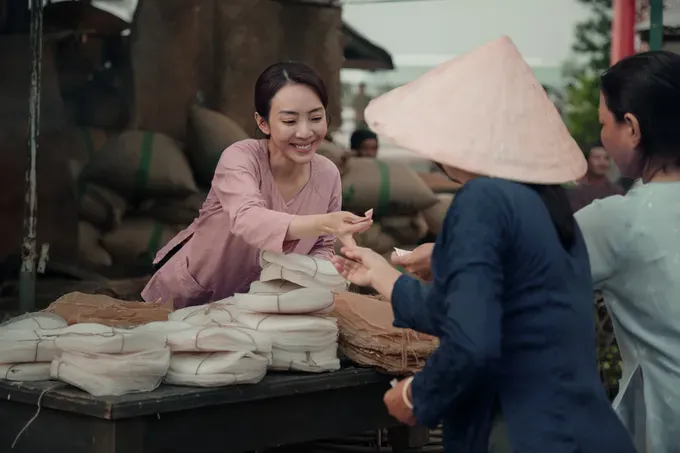
Beyond their roles on screen, women are increasingly occupying pivotal positions behind the camera. While their representation remains modest, Vietnamese cinema is witnessing strong growth in both the talent and prestige of female directors and producers.
In 2026, female directors such as Thu Trang, Luk Van, Vo Thach Thao, and Nguyen Hoang Diep have introduced new works. The field of film production has also seen a rise in female figures, including Vu Thi Bich Lien, Tran Thi Bich Ngoc, Tuong Vi, Quynh Ha, and Hang Trinh.
Director-producer partnerships, such as Ly Hai and Minh Ha, Vo Thanh Hoa and Mai Bao Ngoc, Victor Vu and Dinh Ngoc Diep, and most recently Toni Duong Bao Anh and Meo Bich Trang, have achieved major success with blockbuster releases generating hundreds of billions of VND. The growing presence of women reflects a distinct role in project selection, production management, and shaping how films engage audiences.
Director Dang Thai Huyen's work, ‘Mua Do” (Red Rain), serves as a prime example of female filmmakers taking on large-scale projects that demand high organizational capabilities, particularly within the war genre. Similarly, works such as “Ho Linh Trang Si: Bi an mo vua Dinh” (The Guardian Warriors: Mystery of King Dinh's Tomb), “Trai Buon Nguoi” (Human Trafficking Camp), “Bay Tien” (Money Trap), and “Anh Hung” (The Hero) demonstrate that female directors and producers are no longer restricted to romance or family drama but are successfully tackling sensitive subjects and large-scale productions.
Vietnamese cinema has also seen figures like Thu Trang, Hong Anh, Ngo Thanh Van, and Kathy Uyen transition from actors to producers and directors. This evolution highlights how women are expanding their footprint across the entire creative pipeline—from performing in stories to steering whole productions.
However, the growing presence of female filmmakers does not yet mean career opportunities are equal. According to film critic Tuan Lalarme, women in Vietnamese filmmaking remain modest in numbers, with many key positions on set still predominantly held by men.
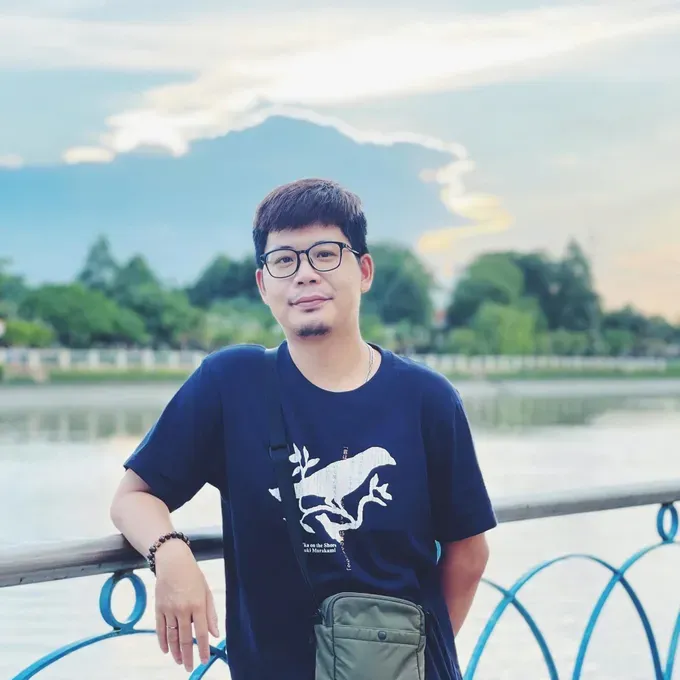
Critic Tuan Lalarme said that he hoped the role of women in Vietnamese cinema will continue to expand, despite the physically demanding nature of the industry.
The image of women in Vietnamese cinema is no longer defined merely by the number of female characters on screen or directors behind the camera. Today, they are portrayed with nuanced depth, given the opportunity to make creative decisions, and evaluated fairly based on professional merit. As women gain greater autonomy over narratives and storytelling approaches, Vietnamese cinema stands to gain richer and more diverse perspectives.
According to film critic Tuan Lalarme, Vietnamese cinema is inherently rich in feminine qualities. In filmmaking, this characteristic has significantly influenced even male directors—ranging from veteran figures like Dang Nhat Minh to later generations such as Tran Thanh, Ly Hai, and Bao Nhan - Namcito. The portrayal of female characters in Vietnamese cinema has evolved markedly over time. They have transitioned from being dependent on men and holding secondary roles in society to embodying modern, decisive, and autonomous women who serve as central figures in the stories directors seek to tell.
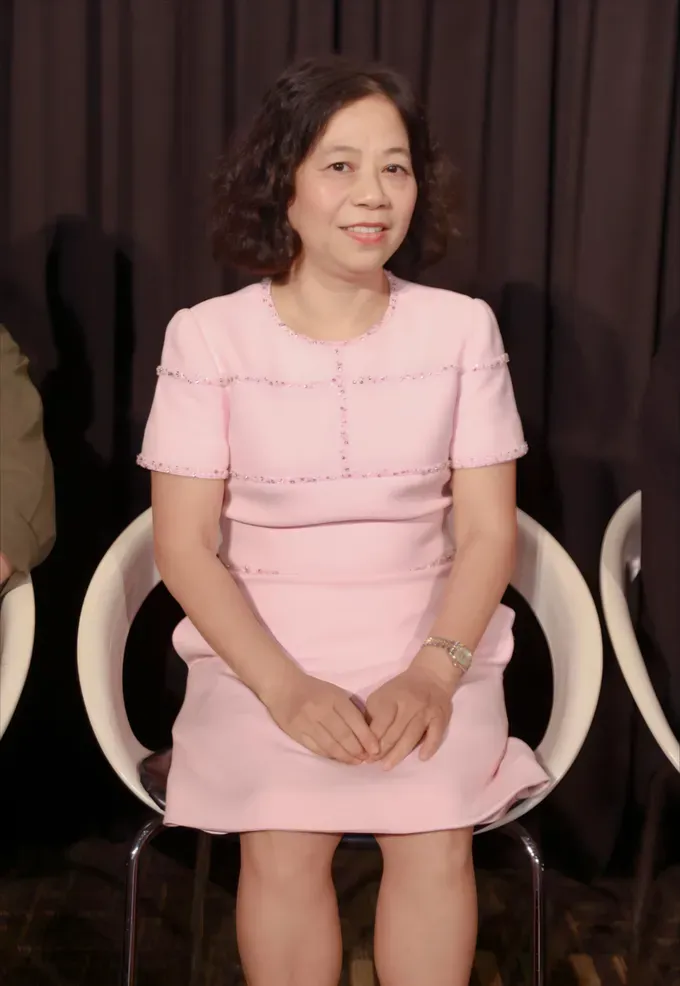
According to Ngo Thi Bich Hien, Vice General Director of BHD, in today’s cinematic environment, the boundary between men and women is no longer significant. Women don’t need preferential treatment simply because they are women. What they need, like any filmmaker, is trust, opportunity, and to be evaluated fairly based on their capabilities and the works they create. Filmmaking is a high-pressure journey, regardless of who you are. What keeps them going is not their gender, but a deep love for the craft, resilience, and the belief that their efforts are meaningful.
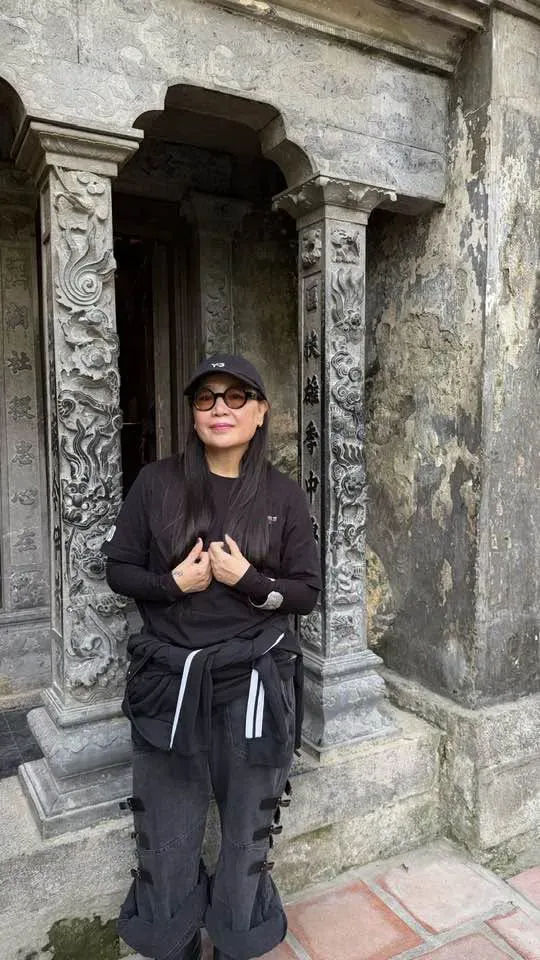
According to producer Vu Thi Bich Lien, CEO of Mega GS Entertainment and Communication Complex, filmmaking—especially directing—presents far greater hardships and uncertainty for women than for men, requiring immense passion to pursue the career. However, to achieve long-term sustainability, female filmmakers cannot rely on sympathy; instead, they must enhance their market understanding, script evaluation skills, and production management capabilities.
Amid challenging investment fundraising conditions, balancing budgets to avoid capital loss, maintaining production, and sustaining future projects will become increasingly difficult, she added.