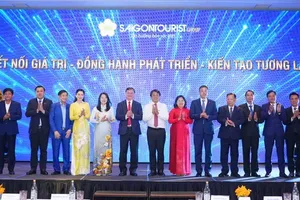
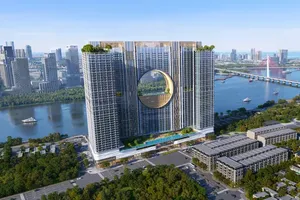
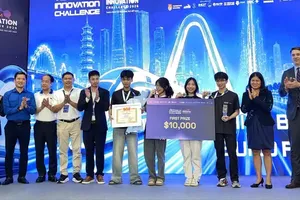
The event took place as Da Nang intensifies efforts to develop Vietnam’s International Financial Center and explore sandbox mechanisms for blockchain and digital assets during the 2026-2030 period. The initiative aims to create a favorable environment for innovation and attract international technology enterprises.
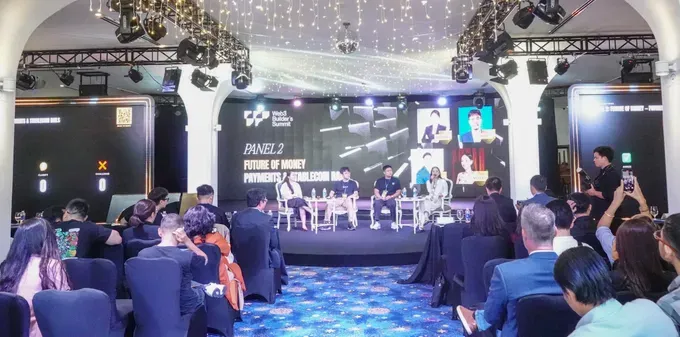
According to Le Son Phong, Deputy Director of the Da Nang City Department of Science and Technology, Vietnam is gradually improving its policy framework for emerging technologies such as blockchain, digital assets and digital transformation.
In this trend, Da Nang identifies digital technology, innovation, and the knowledge economy as strategic growth drivers, with blockchain, Web3, AI and digital assets seen as highly promising sectors, he said.
Mr. Le Son Phong added that the city is studying and proposing controlled pilot mechanisms for blockchain, digital assets, and new business models while gradually building a more transparent, favorable, and secure legal environment for businesses, investors and technology developers.
Sharing his assessment of Da Nang’s potential, Oscar Njuguna, Head of Membership at the Executive Agency of Vietnam’s International Financial Center in Da Nang, said that the city possesses many favorable conditions for developing a Web3 ecosystem thanks to its central location, attractive living environment and ability to attract international technology talent.
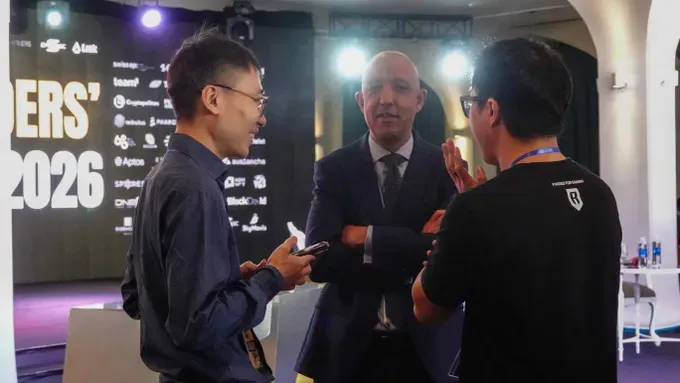
He noted that establishing a clear legal framework tailored to innovation is a key factor in attracting Web3 developers. The International Financial Center in Da Nang is therefore working toward improving policies to create a sustainable environment for technology enterprises.
From the startup community’s perspective, Pham Bao Long, Founder of sqrDAO, said Da Nang and the Central region are gradually building a dynamic blockchain community, with strengths in “builders” directly developing products and technological solutions.
However, he emphasized that startups still need stronger support in terms of funding and opportunities to connect with investors in order to expand markets and bring products to the international stage.
He also proposed studying an “innovation visa” model for startups and digital nomads, remote technology workers, as a way to attract global tech talent to live, work and launch businesses in Da Nang.