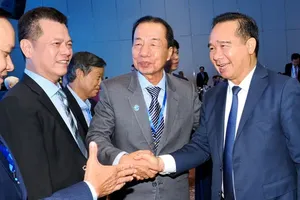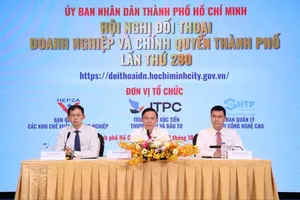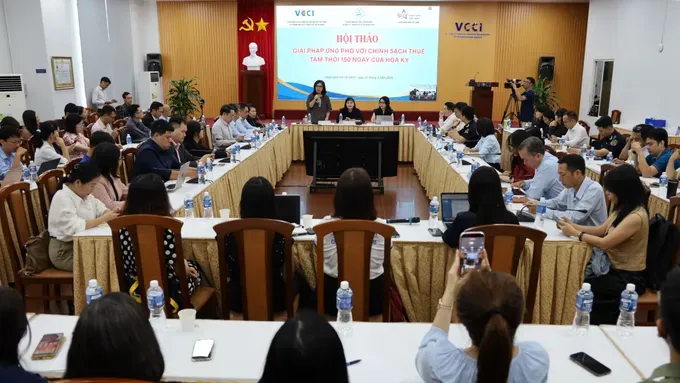
The Investment and Trade Promotion Center of Ho Chi Minh City (ITPC), in collaboration with the Vietnam Chamber of Commerce and Industry – Ho Chi Minh City Branch (VCCI-HCM) and the Vietnam Initiative Institute, held a seminar titled “Solutions to Respond to the United States’ 150-Day Temporary Tax Policy” on March 25 in Ho Chi Minh City.
The event took place amid growing disruptions to global trade and supply chains caused by the new U.S. tax policy.
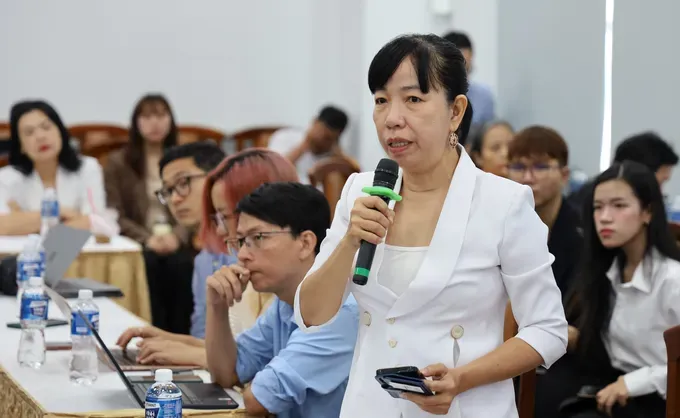
According to Ms. Cao Thi Phi Van, Deputy Director of ITPC, the 150-day temporary tax policy, which imposes a 10 percent rate and may increase to as much as 15 percent, is not merely a short-term measure but a transitional phase preceding more significant adjustments in trade policy. This has prompted markets to reprice contracts, adjust supply plans, and increase risks for exporting businesses.
She added that although the policy creates short-term flexibility for maintaining orders, it introduces notable medium- and long-term risks. The uniform tariff structure temporarily balances competition and alleviates immediate pricing pressures; however, post-150 days, businesses may face demands for price adjustments, tariff-sharing arrangements, or contractual disruptions, particularly in low-margin industries.
Professor Tran Ngoc Anh of Indiana University, the United States described this as a “policy window” for businesses to accelerate exports before potential tariff increases after July 2026. However, he stressed that companies should prepare response scenarios early, from pricing adjustments to market restructuring.
From a practical perspective, Mr. Nguyen Duc Nghia, Deputy Director of the Legal Support Center for Small and Medium Enterprises (HUBA), said that the 150-day period is a crucial opportunity to boost exports, while also proactively exploring new markets, enhancing compliance with rules of origin, and preparing for policy shifts.
Sharing the same view, Dr. Huynh The Du of the University of Wisconsin Oshkosh emphasized that businesses should shift to a “scenario-based management” approach, closely monitor trade documentation, and develop financial plans for higher tariff scenarios, particularly amid risks of stricter origin tracing and anti-circumvention investigations.
Amid this context, many participants agreed on three key solution groups: reviewing compliance processes and origin documentation; proactively renegotiating contracts and allocating tariff costs; and building long-term strategies focused on market diversification and stronger supply chain management.
The seminar highlighted that in a rapidly changing global trade environment, adaptability will be the decisive factor in maintaining market position. The 150-day period is not only a challenge but also an opportunity for businesses to restructure and strengthen resilience against future policy shifts.
)