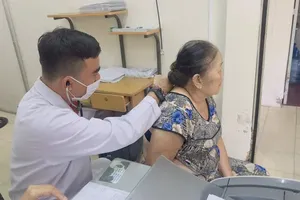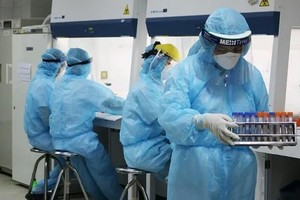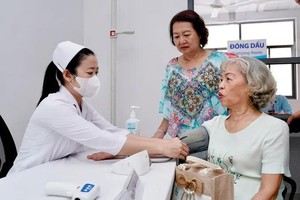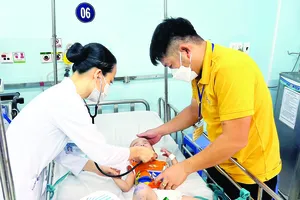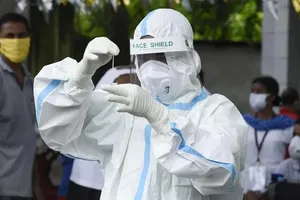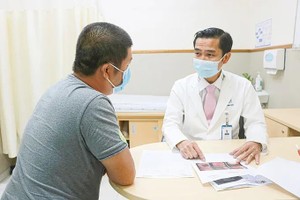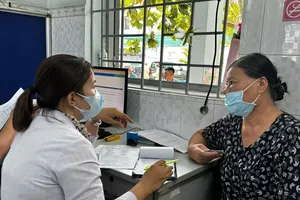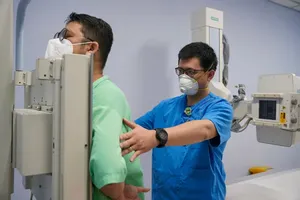
Under the plan, authorities have called on agencies and units to step up surveillance and disease control efforts at the city’s border checkpoints, including airports and seaports. Health screening measures will be implemented in a coordinated and appropriate manner, based on the principle of facilitating entry and exit procedures while still meeting the requirements for disease prevention and control.
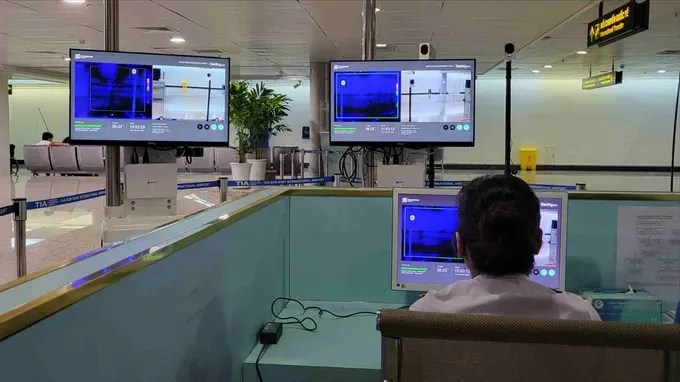
Remote temperature screening will be conducted for all incoming passengers to enable early detection of fever or other suspicious symptoms. Passengers who exhibit signs of illness will undergo detailed epidemiological assessments, with particular attention paid to those arriving from or transiting through high-risk areas.
At the same time, the city will enhance community-based surveillance to identify suspected cases and trace potential contacts who are at risk of infection.
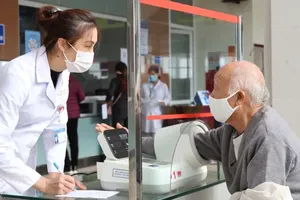
Authorities will review and reinforce resources at healthcare facilities to ensure that medical personnel, supplies, medicines, chemicals, equipment, and vehicles are ready to receive, admit, and treat suspected or confirmed cases of Nipah virus infection, enabling a timely response in the event of an outbreak.
Under the plan, the Ho Chi Minh City People’s Committee has tasked the Department of Tourism with guiding accommodation providers and tourism businesses on implementing surveillance and health-guidance measures for disease prevention and control. The directive calls for strengthened risk communication and advisory efforts to protect the health of travelers, particularly international visitors arriving from areas at risk, and for timely coordination in responding to any suspected cases.