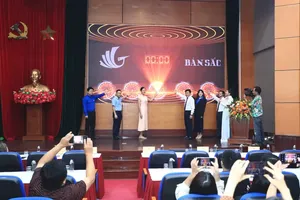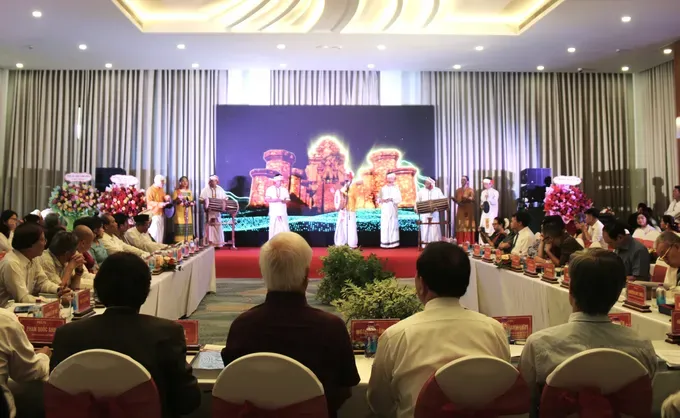
The conference “Preserving and Promoting Cham Cultural Identity in the New Era” took place on June 27 as part of the sixth Cham Ethnic Culture Festival in Khanh Hoa Province.
Experts identified several threats to Cham cultural heritage, ranging from the deterioration of centuries-old temple towers to the declining transmission of traditional crafts and the commercialization of cultural traditions.
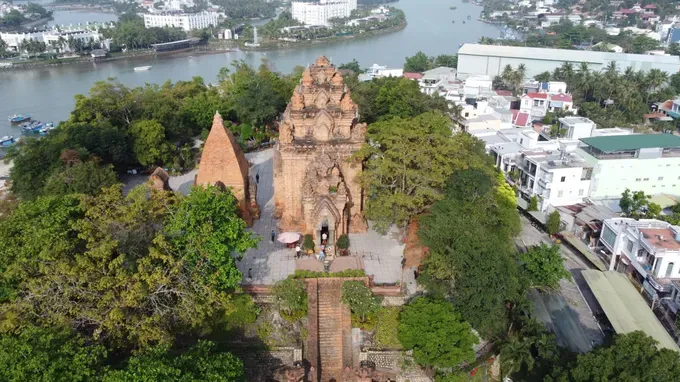
They said iconic Cham heritage sites, including Po Nagar Tower, Po Klong Garai Tower and My Son Sanctuary, along with traditional pottery and weaving villages, are facing growing threats from environmental degradation and development pressures.
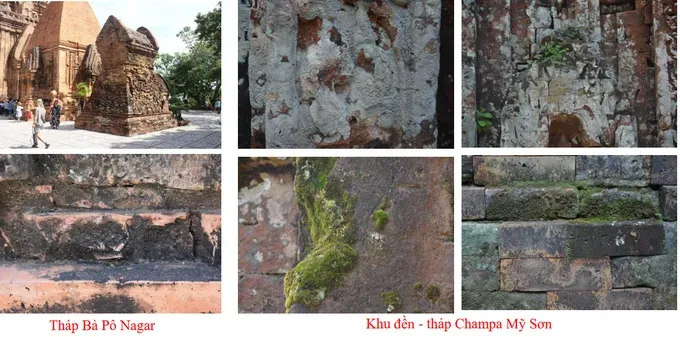
According to researchers from the Institute for Conservation of Monuments under the Ministry of Culture, Sports and Tourism, after centuries of exposure to harsh climatic conditions, many Cham temple towers have deteriorated significantly. Biological growth, such as mold, moss, algae and lichens, has progressively damaged the surfaces of ancient brick and sandstone structures. Conservation work has mainly concentrated on structural reinforcement and preventing subsidence, while long-term chemical preservation treatments remain limited.
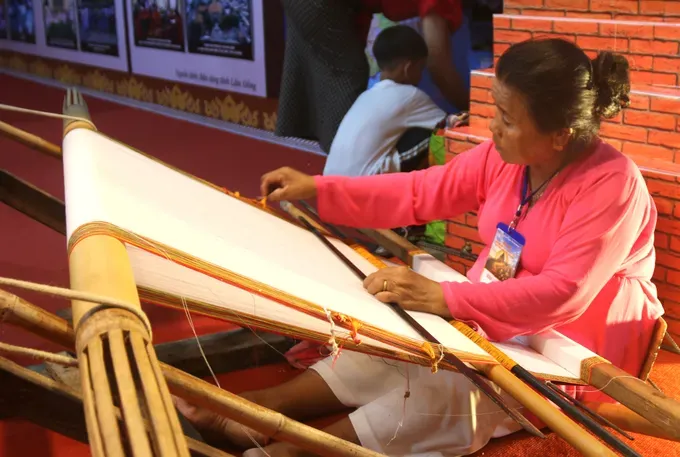
M.A. Duong Thi Anh of the Department of Cultural Heritage warned of a growing risk of interrupted cultural transmission. Although Cham pottery was inscribed by UNESCO on the List of Intangible Cultural Heritage in Need of Urgent Safeguarding, the number of practicing artisans continues to decline as younger generations show less interest in pursuing the craft because of unstable incomes.
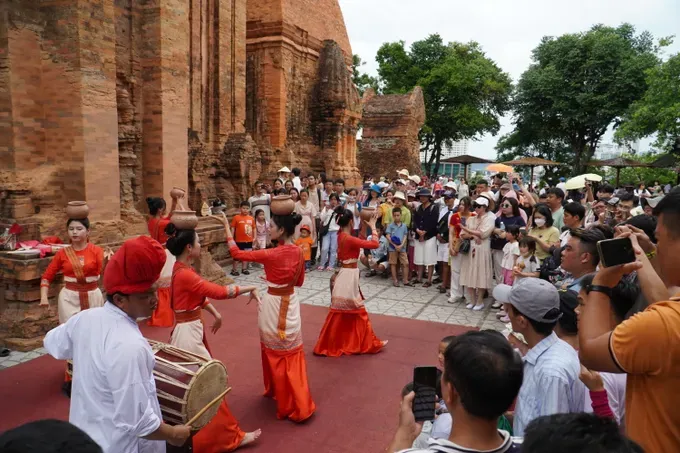
The conference also warned that Cham cultural heritage is increasingly vulnerable to excessive commercialization through tourism and media. Sacred dances have been heavily modified for performances, while traditional music is often mixed with modern electronic arrangements, potentially distorting public understanding of the culture.
The Kate Festival, one of the Cham community's most important cultural celebrations, is also facing mounting pressure from rising tourist numbers and the risk of being transformed into commercial entertainment rather than preserving its sacred ceremonial character.
Several experts noted that although many localities have adopted heritage preservation plans, implementation has been hindered by inadequate funding, leaving a significant gap between policy objectives and practical action.
Participants proposed a range of long-term solutions combining heritage conservation with innovation. Researchers recommended applying advanced conservation technologies to restore and preserve Cham temple towers while building digital databases to monitor the condition of historical structures.
Master of Arts Hoang Thi Bich Hanh of the Press Digital Transformation Support Center under the Ministry of Culture, Sports and Tourism emphasized the importance of shifting from one-way promotion to data-driven public engagement. She cited the newly launched digital platform for Cham cultural heritage in Khanh Hoa as an example, offering 3D virtual tours, digital heritage maps and in-depth cultural experiences to make Cham heritage more accessible.
To preserve traditional pottery, experts proposed a "One Artisan, One Apprentice" initiative to encourage artisans to pass on their skills through family-based training while reviving traditional craft rituals to inspire younger generations. They also recommended creating stable markets for Cham pottery by encouraging hotels and resorts to display and purchase the products through partnerships with tourism authorities.
To address funding shortages, delegates called for broader public-private partnerships in heritage management, with government agencies providing policy support, businesses investing in conservation and tourism, and local communities playing a central role as both custodians and beneficiaries of cultural heritage.
Participants also stressed the need to preserve the authenticity of Cham culture by clearly separating sacred ritual spaces from festival and tourism activities. They recommended expanding Cham language and indigenous knowledge education in schools and digitizing ancient manuscripts to preserve historical records and prevent inaccurate interpretations of Cham history and culture.