Economic reforms launched under the Doi Moi, or renovation, policy in 1986, combined with favorable global conditions, have transformed Vietnam from one of the world's poorest nations into an upper-middle-income economy, according to the World Bank.
Sustained growth transforms living standards
The World Bank says sustained economic growth has brought profound improvements in living standards. Millions of people have been lifted out of poverty, access to healthcare and education has expanded significantly, and households across most of the country are now connected to essential infrastructure.
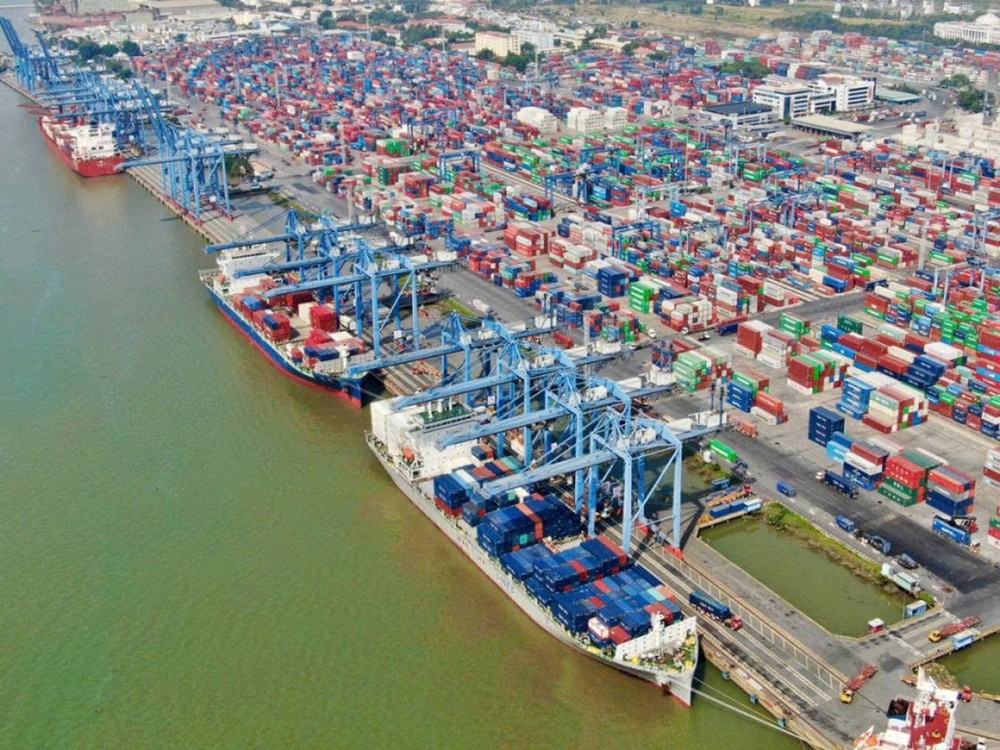
Looking ahead, Vietnam has set an ambitious goal of becoming a high-income developed economy by 2045, underpinned by a greener and more inclusive growth model.
To support that transition, the country has made a series of major environmental commitments, including reducing methane emissions by 30 percent and ending deforestation by 2030, while working toward net-zero emissions by 2050.
The World Bank, however, has warned that Vietnam's path ahead will be far from straightforward. A rapidly aging population, shifts in global trade flows, accelerating automation, and mounting climate risks could all weigh on future growth.
To preserve its economic momentum and achieve its long-term development goals, Vietnam will need further reforms as well as stronger policy implementation, particularly in three areas: social protection, digital transformation, and climate resilience.
For now, Vietnam's economic acceleration continues to be reflected in both official statistics and international assessments.
According to Indonesia-based data platform Seasia Stats, Vietnam became the fastest-growing economy among six major ASEAN countries in the first half of 2026.
Gross domestic product expanded by 7.8 percent in the first quarter, with the industrial and construction sector growing 8.92 percent and services advancing 8.18 percent. Growth accelerated further to 8.4 percent in the second quarter, supported by broad-based contributions from industrial production, services, investment, and exports.
Moving up the global value chain
Vietnam's story is no longer only about the pace of growth. Its position in global value chains is also becoming increasingly significant.
Citing US trade data, The Wall Street Journal reported that Vietnam recorded a merchandise trade surplus of more than US$114 billion with the United States in the first six months of 2026, exceeding those of Taiwan, Mexico, and China.
US merchandise imports from Vietnam surpassed US$123 billion during the period, up 40 percent from a year earlier.
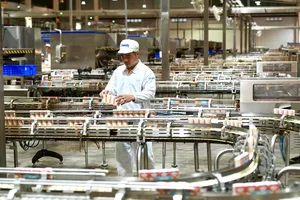
Vietnam's economic openness has been central to that expansion. Years of trade liberalization, participation in free trade agreements and investment in ports and logistics infrastructure have pushed its trade-to-GDP ratio to nearly 170 percent, placing it among the world's most trade-dependent economies.
More importantly, the composition of its exports has gradually shifted toward higher-technology goods.
The Wall Street Journal said machinery, electronics and electrical equipment now account for about 60 percent of Vietnamese exports to the United States.
The expanding presence of global technology groups including Apple, Samsung, Intel, and Foxconn underscores Vietnam's growing importance in international supply chains.
India's Times of India has attributed Vietnam's rise to a deliberate and strategic development model, arguing that the achievement is particularly notable given the country's relatively modest population, economic scale, and resources when compared with China, India or Mexico.
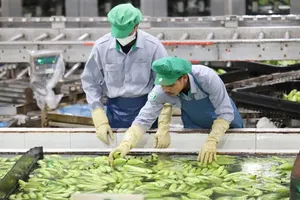
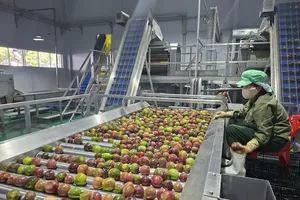
According to the newspaper, Vietnam has accomplished what many developing countries have promised, but few have consistently delivered: making export-oriented manufacturing a core economic strategy.
That approach has involved entering regional trade agreements, attracting foreign investment, developing industrial parks and seaports, and offering multinational companies access to a young, increasingly skilled, concentrated, and disciplined workforce.
The Economic Times, also based in India, has offered a similar assessment, arguing that the combination of reform, infrastructure investment, and deep international integration has turned Vietnam into an increasingly important link in global trade.
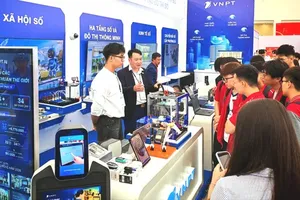
Vietnam is now looking beyond export volumes and factory investment, with policymakers seeking to position the country as a regional center for innovation and advanced technology.
Reuters has highlighted Qualcomm as one example of that shift. The US technology group plans to develop its operations in Vietnam into what is expected to become its third-largest artificial intelligence research and development center worldwide.
Samsung, another long-standing investor, has poured a cumulative US$24 billion into Vietnam, according to a Vietnamese government statement cited by Reuters.
Over 17 years of manufacturing in the country, Samsung's cumulative mobile-phone exports have reached US$500 billion.
The South Korean conglomerate is expected to continue expanding investment and training while working with the Vietnamese government to help domestic companies participate more deeply in global supply chains.
Speaking at a ceremony marking the 81st anniversary of Vietnam's National Day in the Hong Kong Special Administrative Region on August 25, Hong Kong Financial Secretary Paul Chan Mo-po praised Vietnam for building a highly competitive manufacturing base, strengthening its trade and investment links with the world, and emerging as one of the region's most dynamic economies.
Mr. Paul Chan Mo-po said Vietnam is now Hong Kong's largest merchandise trading partner within ASEAN, with two-way trade growing by an average of 25 percent a year over the past five years.
Hong Kong, he added, is committed to serving as a financial gateway for Vietnamese companies seeking access to mainland China's market and international capital for green infrastructure projects.
One of Southeast Asia's fastest-growing economies
Ms. Kate Wallace, Australia's Consul-General in Ho Chi Minh City, said the Vietnam she sees in 2026 is markedly different from the country she experienced in 2022.
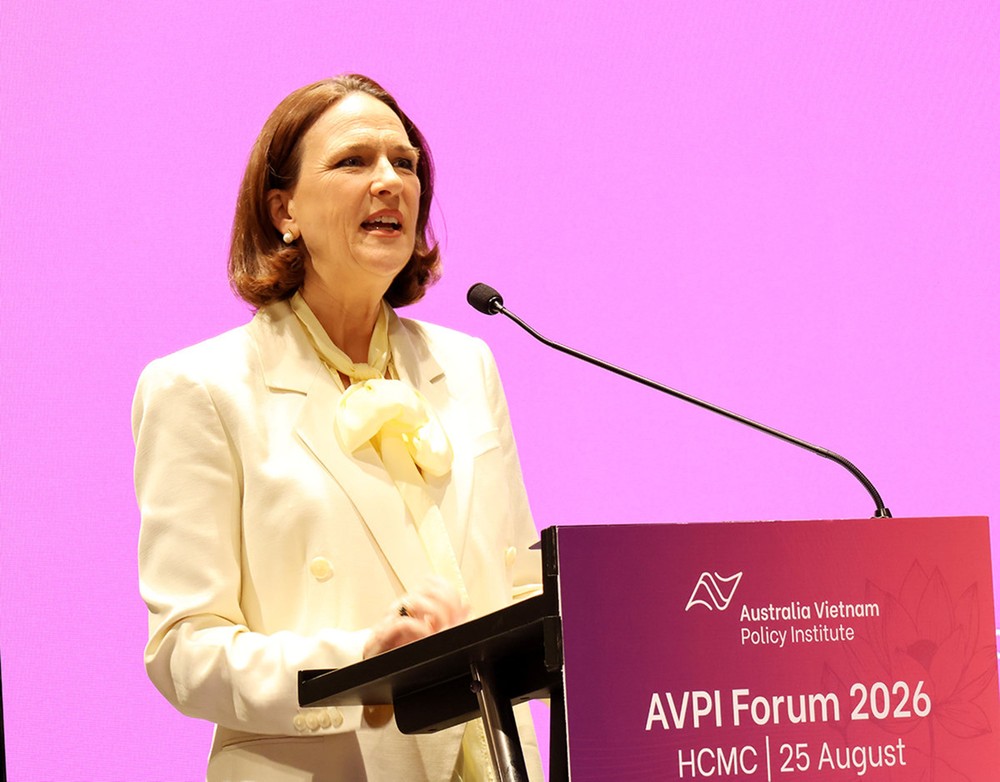
Ms. Kate Wallace said at the Australia-Vietnam Policy Institute Forum 2026 on August 25 that three aspects of Vietnam's growth journey had particularly impressed her since her return. The first, she said, was the speed of change.
Vietnam has rapidly emerged as one of Southeast Asia's fastest-growing economies. Meanwhile, businesses, the government, and local communities have demonstrated an ability to mobilize resources in support of an innovation-driven economy.
She also pointed to the strength of Vietnam's investment environment, noting that the government is pursuing policies designed to attract greater flows of foreign capital and place the country among ASEAN's three leading investment destinations.
During the visit to Australia by General Secretary and President To Lam from August 9 to 12, leaders of the two countries reaffirmed the strength of bilateral ties built on more than 50 years of strategic trust and increasingly intertwined economic interests.
She said the two countries could work together to help build a dynamic, innovative and resilient economic future for Vietnam and the wider region.
A long-term partner in the global economy
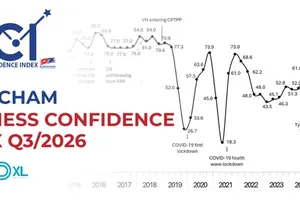
Mr. Travis Mitchell, Executive Director of the American Chamber of Commerce in Vietnam, or AmCham Vietnam, said the country should not be regarded simply as a temporary option for companies seeking to diversify production or establish backup manufacturing capacity.
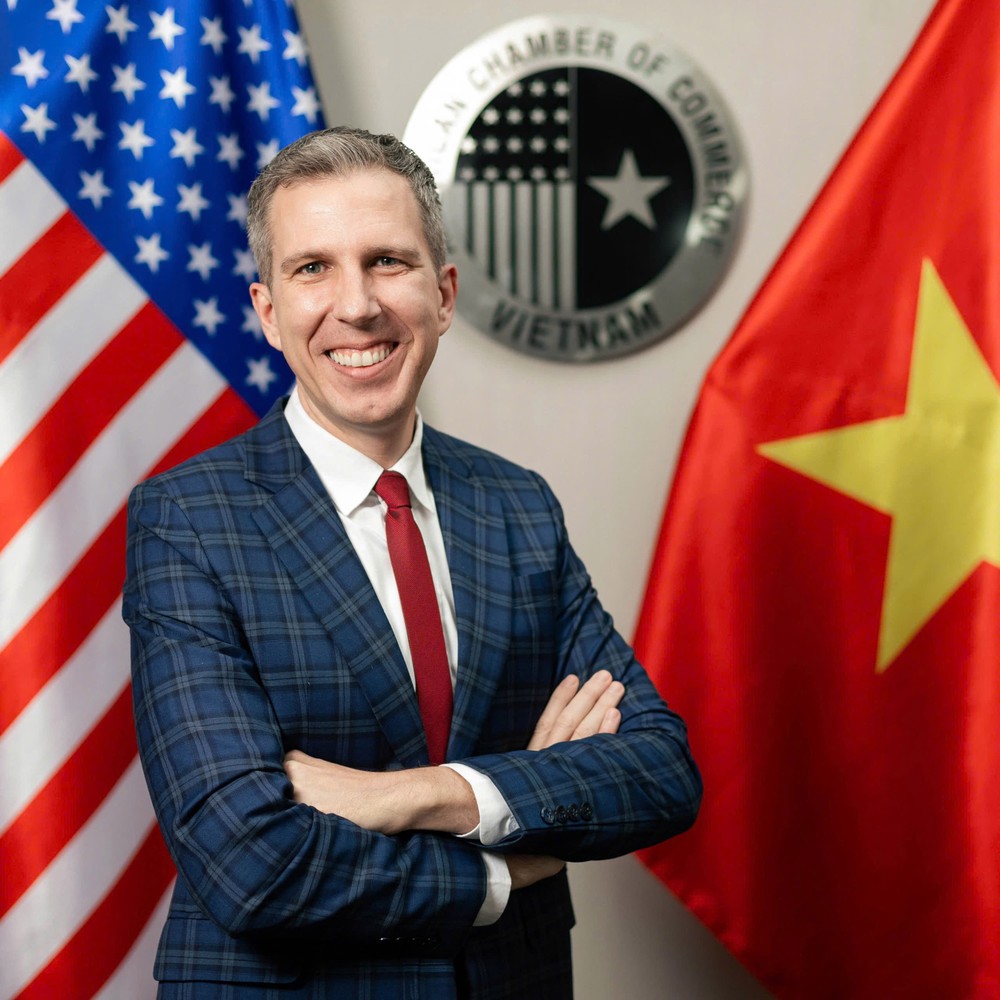
Mr. Travis Mitchell said that AmCham Vietnam viewed Vietnam not as a temporary option for diversification or manufacturing contingency, but as an important, long-term partner in the global economy.
Vietnam's political stability, skilled workforce, and commitment to international integration, Mr. Travis Mitchell added, have helped establish the country as a leading center for sustainable growth.
US companies see particularly significant opportunities as Vietnam moves toward higher-value-added manufacturing and develops semiconductor supply chains, advanced technology industries, and clean-energy solutions.
Mr. Travis Mitchell said AmCham would continue working with the Vietnamese government to promote transparent regulatory frameworks, modernize the electricity grid, and ensure a stable power supply. Such measures, he said, would reinforce Vietnam's position as an indispensable regional destination for innovation and investment.


)