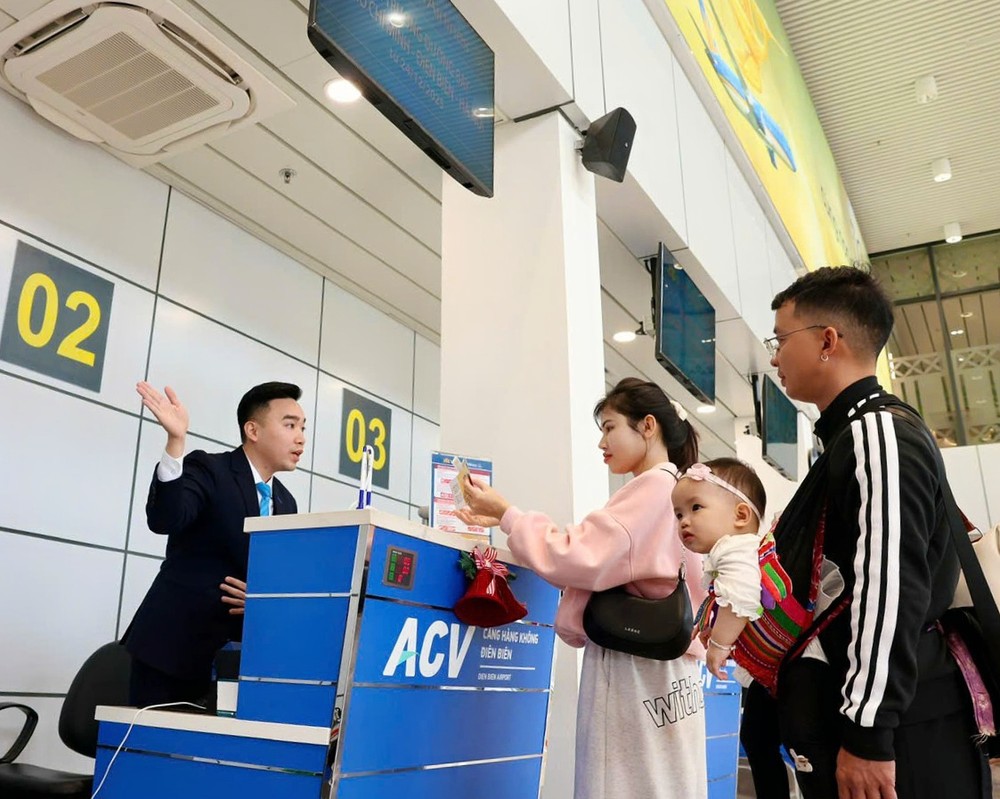
The HCMC–Dien Bien route is operated with Airbus A321 aircraft, with two flights per week and a flight time of about two hours and 20 minutes. From Dien Bien, passengers can conveniently connect to Hanoi via daily services. Combined with the Hanoi–HCMC trunk route, which currently operates 30–32 flights per day, the new service significantly improves access for travelers from Southern Vietnam to Dien Bien and nearby tourism destinations in the northwest.
The launch comes at an ideal time for visitors to experience the region’s vibrant spring festivals of the Thai and Hmong ethnic communities, sample local cuisine, and immerse themselves in indigenous culture. Scenic sites, such as Pa Khoang Lake, Muong Phang Forest, and highland villages, are particularly picturesque during this season, enhanced by misty mountains and cool weather that make this the most appealing time of year to explore the northwest.
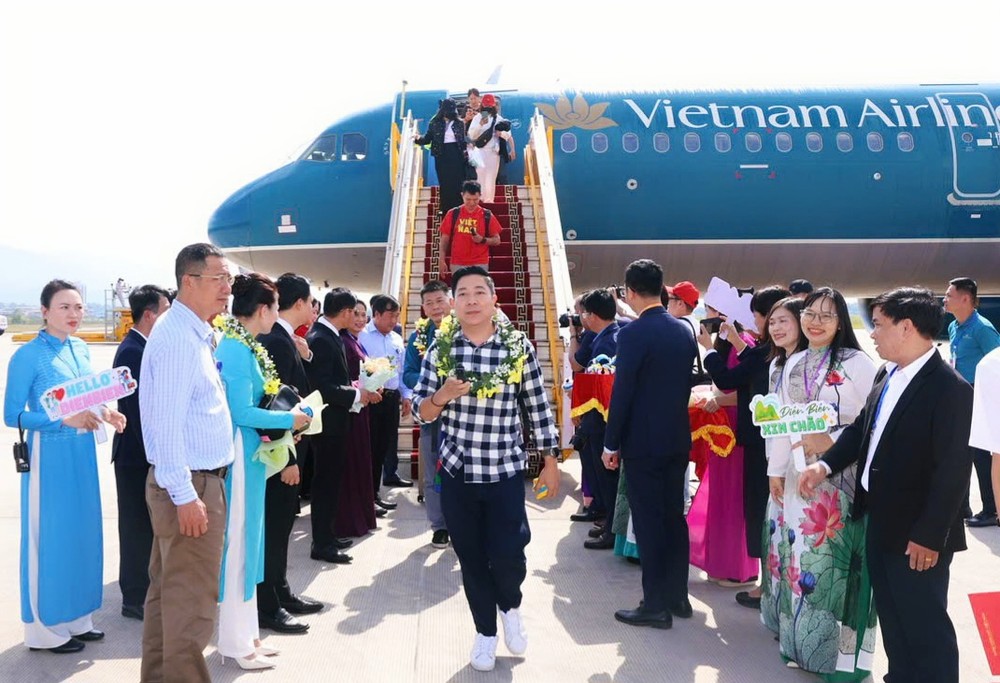
According to Mr. Dang Anh Tuan, Deputy Chief Executive Officer of Vietnam Airlines, the nonstop HCMC–Dien Bien service represents a significant milestone in the airline’s domestic expansion strategy. He said the route will make it easier for travelers to reach Dien Bien, a destination rich in historical and cultural heritage, while supporting tourism growth and local economic development.
On the international front, Vietnam Airlines earlier this month launched a direct Hanoi–Cebu service, adding a new destination in the Philippines and strengthening Vietnam’s air connectivity within Southeast Asia. The route shortens travel time to one of the Philippines’ most popular beach destinations and is expected to boost tourism, trade, and cultural exchanges between the two countries.
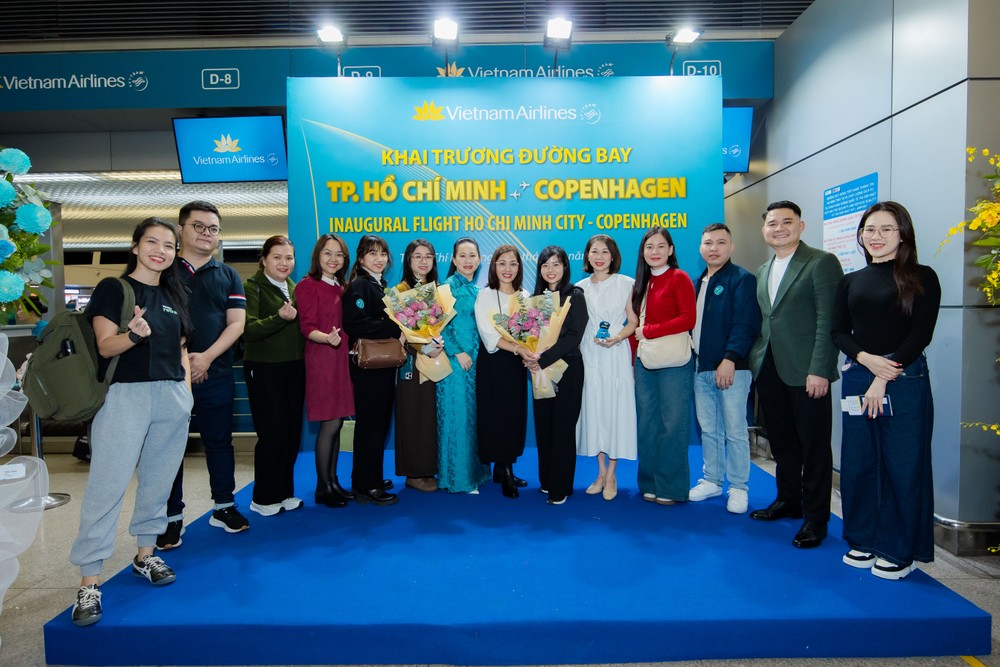
The carrier has also expanded its European network with the launch of a nonstop HCMC–Copenhagen route. This is the first direct air link between Vietnam and Northern Europe, expected to create fresh momentum for two-way tourism and aviation, while meeting demand for family visits, long-haul travel, and broader economic cooperation between the two regions.