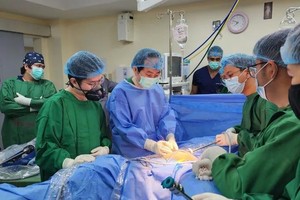
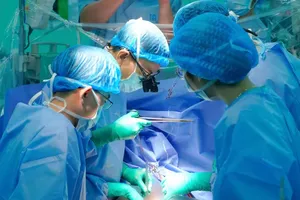
Despite numerous cautionary tales and repeated warnings from medical professionals, the practice of roaming cosmetic services continues to persist as if it were an everyday occurrence.
Beauty treatments… in the kitchen
Gone are the days of street vendors shouting, “Anyone want lip blushing or eyebrow tattooing?” Yet on social media platforms such as Facebook, advertisements for low-cost beauty services remain widespread, often promoted with the promise of being “cheap, effective, and convenient.”
Enticed by a heavily discounted offer, a Facebook account advertising “Home Cosmetic Tattooing Service M.” persuaded T.M.Kh., a 36-year-old homemaker in Phuoc Long Ward, to schedule an eyebrow tattoo session for just VND400,000. Only a few hours later, a female technician arrived at her home carrying a small bag of equipment.
Pointing hesitantly at an old sofa placed between the kitchen and bathroom, Kh. asked whether it was suitable for the procedure. The technician responded matter-of-factly: “As long as you can lie down, it’s fine.”
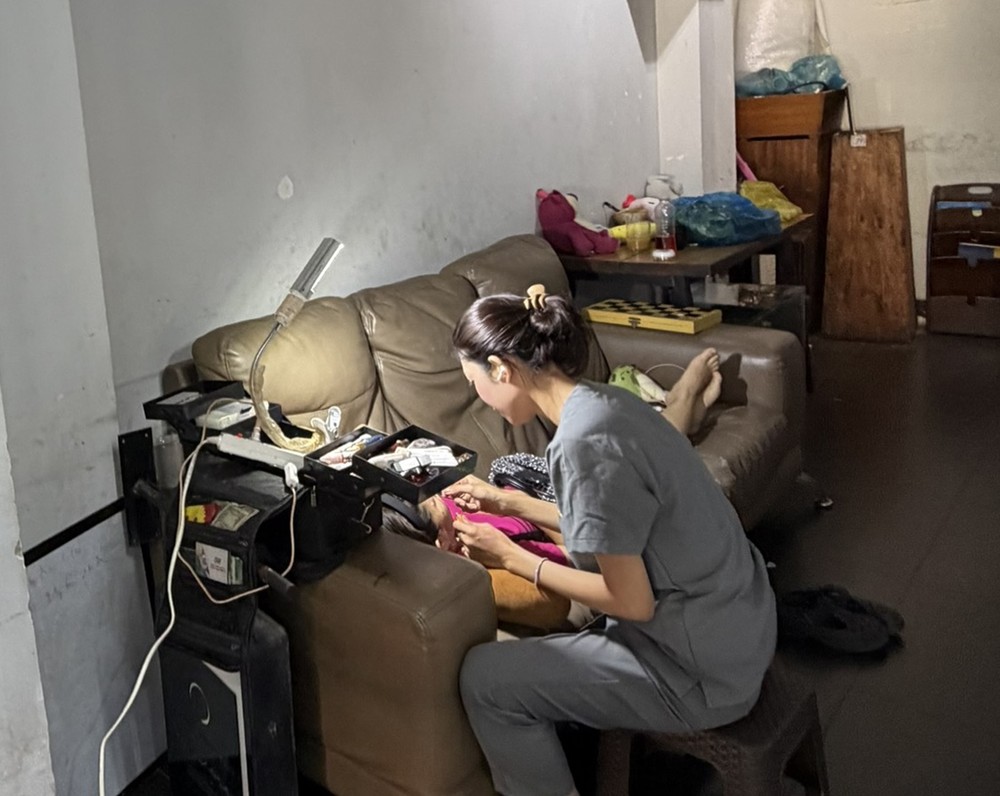
Within moments, the technician unpacked her kit. Inside were bottles of tattoo ink, a small desk lamp, several containers of liquid solutions, a nearly empty tube of 5 percent lidocaine numbing cream, and a handheld tattooing machine. As she applied the anesthetic cream to her client’s eyebrows, she casually boasted about having three years of experience providing home-based beauty services, primarily for housewives, online sellers, and elderly women.
According to her, most clients preferred home visits because they lacked the time to travel to beauty salons. Many were introduced by friends or relatives, and sometimes groups of acquaintances would arrange sessions together.
To prevent infection, the technician wore gloves. Yet those same gloved hands constantly alternated between swiping on her smartphone, rummaging through the equipment bag, attaching needles, and touching the client’s skin.
Noticing her client’s unease, the technician quickly offered reassurance while simultaneously promoting additional services. For just over VND1 million, she said, she could also perform nipple-areola lightening or intimate skin-lightening procedures immediately.
“We’ve done this for many customers—lip blushing, eyebrow tattooing, nipple-areola lightening, everything,” she said confidently. “Under the staircase, in the kitchen corner, in a rented room—anywhere you can lie down, we can do it.”
Before leaving, she added one more line of marketing: “If any of your friends are interested, just call me. I can come anytime.”
The consequences came swiftly. Although the technician had insisted the procedure was completely safe, less than a day later, Kh.’s tattooed eyebrow area developed redness, itching, and irritation that spread toward her lips. Suspecting either an allergic reaction to the ink or a bacterial infection, she immediately sought medical attention.
Even so, Kh.’s case was considered relatively mild compared with that of T.T.A., a 48-year-old resident of Dong Nai Province.
In early February, A. was introduced by an acquaintance to a home-based technician who specialized in lip blushing, supposedly to enhance facial “feng shui.” The expected beauty transformation never materialized. Instead, two days after the procedure, blisters erupted along her lip line and began bleeding.
When A. contacted the technician again, the response was dismissive. The practitioner claimed the infection resulted from the client’s failure to follow dietary restrictions after the procedure and denied responsibility altogether.
Disregard for human safety
Mobile beauty services are not limited to tattooing. In HCMC, some cosmetic providers are willing to administer filler injections at clients’ homes for an additional travel surcharge of about VND200,000–300,000.
This practice is particularly alarming because filler injections—and any invasive cosmetic procedures such as injections or infusions—must legally be performed by licensed physicians within hospitals, specialized cosmetic clinics, or medical facilities approved by the Ministry of Health.
Ignoring these regulations, many unqualified individuals continue to carry out such procedures. The gravest risk is borne by clients, whose lives may be placed in jeopardy during these informal beauty treatments.
A tragic example occurred on February 23, when D.N.H.P., a 34-year-old resident of Cat Lai Ward in HCMC, hired a nurse to administer a skin-whitening infusion at home. Shortly after the procedure was completed, she suddenly experienced severe breathing difficulties and cardiac arrest.
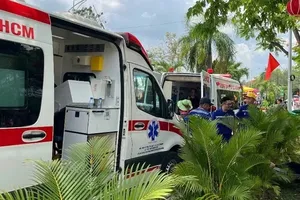
Although she received emergency first aid and was rushed to Le Van Thinh Hospital, doctors’ efforts to resuscitate her for over 40 minutes were unsuccessful. The suspected cause of death was an anaphylactic reaction.
According to Dr. Pham Thi Uyen Nhi, Head of the Planning Department at the HCMC Hospital of Dermato-Venereology, self-arranged injections or infusions at home carry numerous risks. Patients may suffer anaphylactic shock, infection, or exposure to blood-borne diseases such as HIV and hepatitis B or C if medical instruments are not properly sterilized.
Equally concerning is the lack of hygienic conditions. Dust, bacteria, and contaminants from everyday household environments can easily turn any injection site into a potential source of infection.
Statistics from the HCMC Hospital of Dermato-Venereology indicate that the number of patients suffering complications from at-home cosmetic procedures has been steadily rising, with many cases becoming severe.
Experts note that while regulatory enforcement remains essential, a portion of the public is also underestimating the risks involved. Some individuals treat medical procedures as ordinary consumer services, while others are easily persuaded by the allure of beauty treatments advertised as “cheap and convenient.”
Such complacency can come at a steep cost.
From a legal perspective, lawyer Pham Ngoc Hung of the HCMC Bar Association, Director of Pham Hung Law Firm LLC, emphasized that individuals providing medical infusions or similar treatments at private homes—outside licensed medical facilities and without proper professional credentials—are acting unlawfully.
Beyond administrative penalties, if such actions result in serious injury or death, the individuals involved may face criminal prosecution under the 2015 Penal Code (amended in 2017). Relevant charges may include violations of regulations governing medical examination and treatment or involuntary manslaughter due to professional negligence.