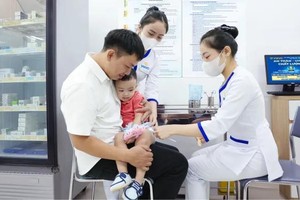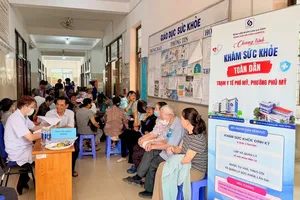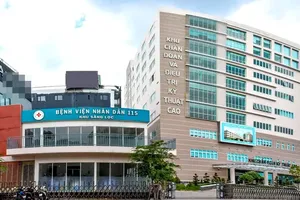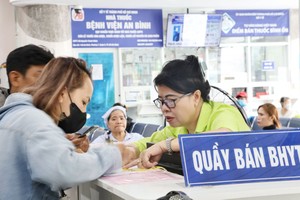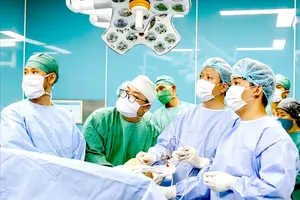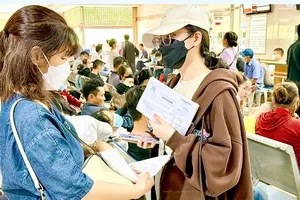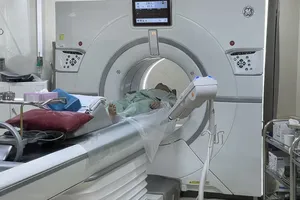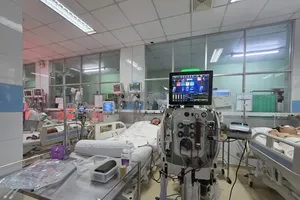
Right from the beginning of 2026, many localities in HCMC have coordinated to organize free medical check-up programs for residents.
In Bau Bang Commune, the Bau Bang Regional Medical Center partnered with the Vietnam Young Physicians’ Association and companion units to provide medical examinations, health consultations, and free medicines to about 300 people. Besides diagnosis and treatment, doctors also provided guidance on nutritional diets, ways to prevent infectious diseases, and early screening for common underlying conditions.
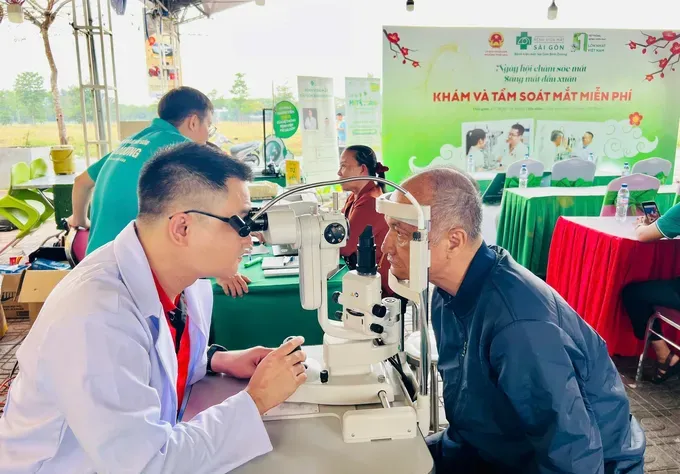
In Tan Uyen Ward, with the coordination of the HCMC Red Cross Society and Saigon – Binh Duong Eye Hospital, an in-depth eye examination campaign was organized for the poor, disadvantaged individuals, and the elderly. Nearly 300 residents received vision tests, eye disease screenings, and treatment medications. The organizing committee also subsidized surgery costs for several cases of dry cataracts and general cataracts.
“The coordination between local authorities and medical units in organizing free medical check-up programs has practically met the people’s healthcare needs. These programs give vulnerable populations the opportunity to access medical services while demonstrating society’s active concern for social welfare,” shared Vice Chairman Le Duy Hau of the Tan Uyen Ward People’s Committee.
Many people need regular health check-ups but rarely visit medical facilities for various reasons. The most common is the reluctance to go to hospitals, coupled with obstacles related to travel and costs. Therefore, free medical check-up and medicine distribution programs at commune and ward medical stations have become an accessible healthcare channel. Numerous cases have been detected and treated promptly.
As stated by Assoc Prof Le Dinh Thanh, MD PhD, Director of Thong Nhat Hospital, the disease burden is shifting strongly toward chronic non-communicable diseases due to urbanized lifestyles, unhealthy diets, and an aging population. In places where the healthcare system is hard to access, the disease detection rate through free check-up programs is often quite high.
Leaders of Thong Nhat Hospital stated that after each free check-up campaign, the hospital transfers the patients’ complete medical records to the local medical station. Patients are provided with medication for the first two weeks to a month and are instructed on home monitoring and follow-up visits at their place of residence.
Additionally, Thong Nhat Hospital is piloting the “Screening – Transfer – Monitoring” model in several HCMC wards, such as Tay Thanh and Tan Son Nhat. Residents are screened using simple devices such as blood pressure monitors, electrocardiograms, echocardiograms, and blood sugar test strips, combined with clinical examinations. Subsequently, health data is transferred to the local medical facility for monitoring and organizing periodic follow-up visits every 3-6 months, minimizing the situation of “losing track” of patients after screening.
From the grassroots perspective, Level-I Specialist Nguyen Thi Tho from the Tay Thanh Ward Medical Station noted that after the medical station coordinated volunteer check-ups with the hospital, the number of people returning to the station for periodic follow-ups and monitoring increased.
“Volunteer medical check-up programs not only help screen for diseases but also consolidate the people’s trust in the grassroots level. When counseled thoroughly, they proactively monitor their health more,” shared Level-I Specialist Nguyen Thi Tho.
She added that for continuous healthcare, it’s necessary to manage the health of residents down to each household. Every citizen should have an electronic health record code linked with hospitals in the city. At the same time, it’s essential to expand the list of medicines and testing techniques at the medical station so that people don’t have to bypass the grassroots level for common illnesses.
Statistics from Thong Nhat Hospital show that free medical check-up programs often attract hundreds of residents, mainly the elderly and freelance workers. The most frequently detected disease group is hypertension, accounting for about 40-50 percent of cases, followed by type 2 diabetes and dyslipidemia.