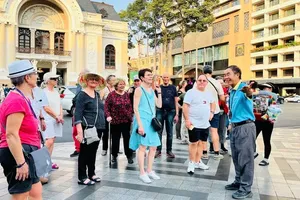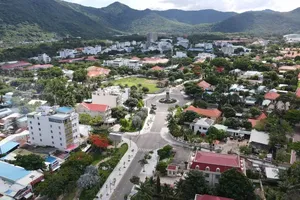
Nguyen Trung Khanh, Director of the Vietnam National Authority of Tourism (VNAT) forecasts that this is a “double peak” period as the long holiday coincides with the early-year festival season, leading to a surge in both domestic and international tourism markets. Prominent segments include family resorts, spring travel, festivals, and short-term trips combined with visiting relatives.
Domestic tourist flows are expected to be more widely distributed, not only focusing on a few traditional destinations but spreading to localities with new products and convenient transportation. For international guests, the Lunar New Year coincides with the peak season from October to March.
Markets expected to grow strongly include Northeast Asia, ASEAN, India, and some European countries with winter vacation needs. Besides tour groups, independent travelers, families, long-stay guests, and high-quality tourists are predicted to increase considerably.
The 2026 Lunar New Year is an occasion to affirm the industry’s organizational, management, and service capabilities, consolidate the trust of domestic and international tourists, and enhance the prestige and competitiveness of Vietnam tourism. In particular, controlling service quality, prices, and ensuring safety for tourists are key tasks in executive direction, as said by Director Nguyen Trung Khanh.
The VNAT has requested tourism service establishments to publicly list prices, sell at the listed prices, and not take advantage of peak times to hike prices. Some key tourism localities like Da Nang City and Phu Quoc Special Zone have deployed applications allowing visitors to scan QR codes to check standard service prices and provide immediate feedback if violations are detected. Petitions and feedback from businesses and tourists are received and handled promptly.
The “Safe Vietnam Tourism” application continues to be deployed for tourists to reflect on service quality. Support counters are arranged at airports, squares, and tourist centers to provide timely information support and handle arising situations. Along with that, communication is strengthened on specialized portals and travel apps.
Ill-intention people often take advantage of tourists booking urgent services and hunting for cheap prices during Tet to commit online fraud. The VNAT, therefore, has issued Official Dispatch No.253/CDLQGVN-QLLT regarding the prevention, containment, and handling of fraudulent activities aimed at appropriating assets in the tourism sector.
Localities are requested to increase propaganda so businesses and people can identify new scam tactics such as fake promotions, deep discounts, and requiring upfront deposits to appropriate assets.
The VNAT regularly issues official announcements and warnings on its official website, Fanpage, and mass media, along with guides on how to identify impersonated websites and accounts, and recommends tourists use reputable booking platforms. Parallel to this, it encourages tourism businesses to register for verification on digital platforms to increase reliability when transacting with customers.
In the long term, the VNAT proposes perfecting the legal framework for electronic transactions in the tourism sector, clearly defining the responsibilities of related parties, and increasing penalties for online forgery and fraud. Propaganda on information security is also promoted to raise awareness among businesses and citizens, aiming to build a transparent and safe digital tourism ecosystem.