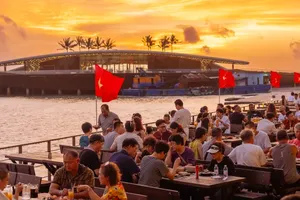
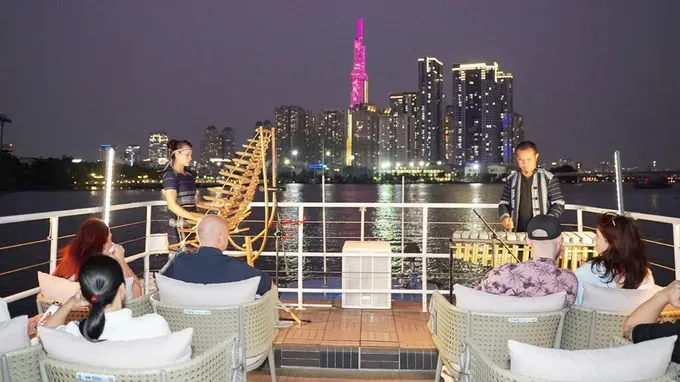
With luxury cruises on the Saigon River, aerial city tours and quick access to coastal getaways, Ho Chi Minh City is crafting a richer, more captivating travel experience.
Expanding routes and experience spaces
According to Mr. Nguyen Thanh Luu, General Director of Saigontourist Travel Service Company Limited, with its urban, cultural, and tourism spaces now more expansive and closely linked, Ho Chi Minh City is well-positioned to develop an integrated and in-depth suite of intra-regional tourism products for 2025–2030, aimed at serving residents while elevating its profile among domestic and international visitors.
Identifying intra-regional tourism as a key pillar, Saigontourist Travel has focused on restructuring its network of routes and destinations, respecting the historical and cultural characteristics of each area. The company also prioritizes the development of green and sustainable tourism, which is linked to the city’s urban identity.
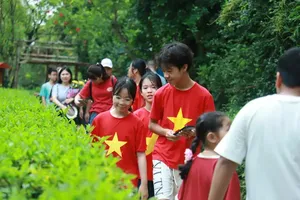
In addition to tourism products such as the city tour “I Love Saigon,” journeys tracing the footsteps of the Saigon Special Forces, century-old heritage explorations, nostalgic Saigon–Cholon excursions, sports and leisure tours on the Saigon River, and creative workshops reflecting a youthful urban spirit, Saigontourist Travel has introduced nine new product lines.
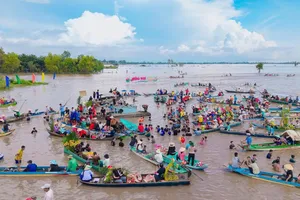
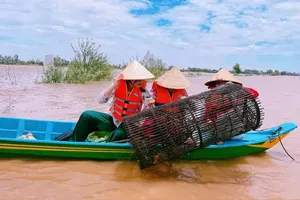
These expanded experiences range from river routes and the Can Gio mangrove forest to the urban metro system, as well as eco-tours, cultural and craft village tours, and short trips connecting neighboring regions.
Within the city’s new tourism landscape, traditional destinations are also being “revitalized” with multi-experience approaches. The Cu Chi Tunnels historical site, located approximately 70 kilometers from the city center, is undergoing a significant transformation to become an attractive cultural and ecological destination in the Southern region.
Alongside its historical value, the site has expanded folk cultural experiences, sport shooting activities, adventure games, and riverside local cuisine. New facilities include a cinema inside a C-130 transport aircraft, camping areas, homestays, and outdoor BBQ spaces, meeting the growing demand for short-term leisure stays.
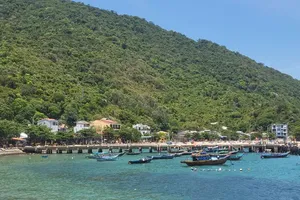
As for Con Dao Special Zone, travel enterprises are working to develop integrated products connecting accommodation, dining, tours, and attractions. Plans include four to five-star resorts, entertainment complexes linked with wellness services, water sports, MICE services, shopping centers and a night-time economy.
Developing specialized tour segments
Beyond refreshing destinations, many businesses are boldly moving into specialized tour segments. Recently, helicopter tours offering aerial views of Ho Chi Minh City have officially been launched. According to Mr. Nguyen Minh Man, Deputy General Director of Vina Group Travel, this distinctive product helps diversify visitor experiences and elevate the city’s destination image. Helicopter tourism is particularly suited to high-spending travelers, MICE groups, business executives and international visitors.
Ho Chi Minh City currently has 808 locations eligible for development into tourist attractions, ranging from urban spaces, craft villages, and industrial zones to riverside and island areas. In addition, the city is home to 7,211 tourism enterprises and 9,540 tour guides. Combined with a well-developed transport infrastructure connecting to Long Thanh International Airport, the North–South railway and major interregional corridors, these factors create favorable conditions for tourism growth.
From a long-term perspective, Chairman of Vietravel Group Nguyen Quoc Ky noted that the National Assembly’s approval of amendments and supplements to Resolution 98/2023/QH15 on piloting special mechanisms and policies for the development of Ho Chi Minh City, including the addition of a legal framework for a Free Trade Zone (FTZ) model, opens up an entirely new development space for the city’s tourism sector.
According to him, if the FTZ is planned with an open approach that integrates international trade, high-end services and local identity, it will form an attractive and regionally competitive experiential ecosystem. Visitors to the FTZ would not only shop or conduct business but also expect to experience a “seaport tourism – free trade urban” model similar to Singapore, Busan (South Korea), or Nagoya (Japan).
Ms. Nguyen Thi Khanh, Chairwoman of the Ho Chi Minh City Tourism Association, observed that the new product ecosystem is helping reposition the city’s destination brand toward “one journey – multiple experiences.” MICE tourism, festivals, gastronomy, river tourism and short-stay leisure travel are now more closely interconnected, contributing to longer stays and higher visitor spending.
Through this approach, Ho Chi Minh City’s tourism is clearly shifting from “sightseeing for awareness” to “experiencing for lasting memories,” laying the foundation for sustainable growth in the new phase.