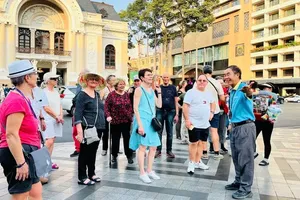
For tourism to achieve deeper, more sustainable growth, the decisive factors lie in sound institutions, well-designed policies, and effective implementation. Recognizing this, Ho Chi Minh City is proactively deploying a range of new policy measures to support businesses, restructure the market and attract high-spending visitor segments.
Activating signature tourism products
Ho Chi Minh City has identified festivals and events, night-time tourism and river-based tourism as key “signature” products that require focused investment to create a distinctive identity for this special urban destination. In reality, festival nights and peak entertainment periods have increasingly highlighted the city’s unique tourism appeal, with the Ho Chi Minh City River Festival standing out as a prime example.
Over the course of its latest 10-day program, activities held along the Saigon River attracted close to 4.5 million locals and tourists. Mr. Tran The Dung, General Director of Vietluxtour, noted that night tourism has moved beyond being a simple extension of daytime itineraries and is increasingly establishing itself as a central growth engine for the industry.
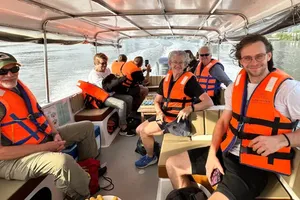
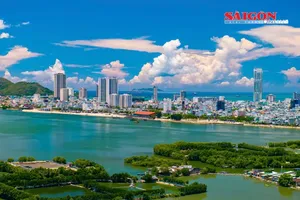
The Saigon River waterfront is considered the most prominent highlight of the city’s night-time tourism. Nguyen Kim Toan, Director of Thuong Nhat Company, an owner of Saigon WaterBus and Saigon WaterGo, said that when the city lights up, the area from Bach Dang Wharf to upstream riverside urban zones comes alive with artistic performances, fireworks and entertainment activities drawing large crowds. On river buses and cruises, visitors can enjoy music while admiring the city skyline from midstream.
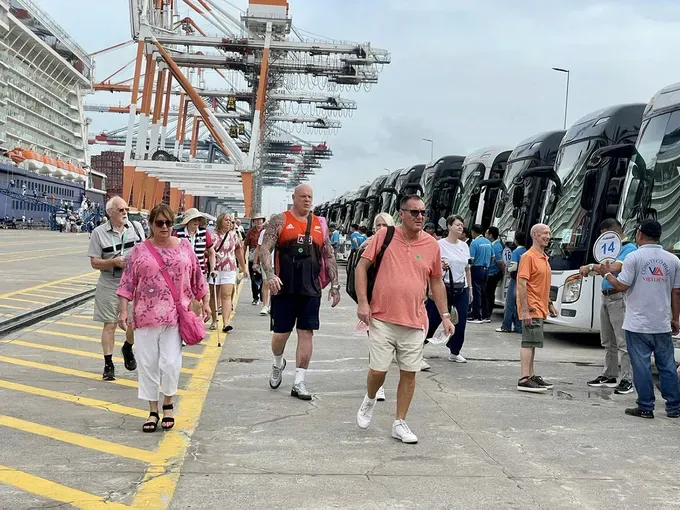
Alongside river-based attractions, Ho Chi Minh City’s night tourism products are becoming increasingly diverse. Distinctive programs such as the “Trang chien khu” (Moon over the Resistance Base) show at the Cu Chi Tunnels Historical Site, art performances like “Sac Mau Dem,” “A O Show,” and “Chao Show,” as well as themed tours such as “Exploring Lion Dances in Cho Lon,” have attracted large numbers of domestic and international visitors. Night-time cultural and culinary spaces continue to expand, from familiar streets like Bui Vien and Vinh Khanh to food streets near Quang Trung Monument, Ho Thi Ky Market, Hau Giang Street and Binh Tay Market.
Policy reforms fuel MICE and night-time tourism growth
As part of its strategy to upgrade high-quality tourism, Ho Chi Minh City is working hand in hand with businesses, leveraging policy as a catalyst to unlock new growth opportunities, particularly in the MICE segment (Meetings, Incentives, Conferences, and Exhibitions) and premium experiential travel.
Seizing this momentum, leading travel firms such as Saigontourist, Vietravel and Vietluxtour have proactively designed specialized MICE packages tailored to specific industries, including healthcare, finance, logistics, technology and education.
At recent dialogue sessions between the municipal Department of Tourism and the business community, a number of challenges were openly discussed. Several companies pointed out that administrative procedures remain cumbersome, especially for international groups staying for extended periods of up to 30 days, which undermines competitiveness in attracting high-value clientele. In the accommodation and river tourism sectors, enterprises have proposed applying industrial electricity tariffs instead of commercial service rates, as well as adding more river pick-up and drop-off points to lower operating costs and improve the overall visitor experience.
Ms. Huynh Phan Phuong Hoang, Deputy General Director of Vietravel, suggested that tourism streets and night markets could consider extending operating hours until 4 or 5 a.m. to better serve international visitors’ demand for nightlife and shopping, provided that security, safety, and service standards are ensured. She also emphasized that night tours along the Saigon River hold considerable growth potential if supplemented with more entertainment, retail, and live performance activities.
From a management perspective, Pham Huy Binh, Director of the Ho Chi Minh City Department of Tourism, affirmed that the city’s tourism sector is committed to accompanying businesses and proactively removing bottlenecks to enhance destination quality. The city is repositioning its market strategy toward attracting high-spending, long-stay visitors, shifting from simple destination promotion to storytelling about experiences, highlighting urban identity and the organizational capacity of a major economic and service hub.
Ho Chi Minh City has recently approved a policy to support enterprises organizing MICE programs in the city, focusing on four main areas, comprising support for entrance tickets to tourist attractions based on group size, up to VND20 million (US$770) per group; support for venue rental for conferences, seminars, and gala dinners, up to approximately VND20 million (US$770) per group; support covering 20 percent of artistic performance costs, capped at VND10 million (US$384) per group, prioritizing traditional arts and cultural programs; support for souvenirs for MICE group leaders, up to VND1 million (US$38.4) per gift, prioritizing OCOP products and items distinctive to Ho Chi Minh City.