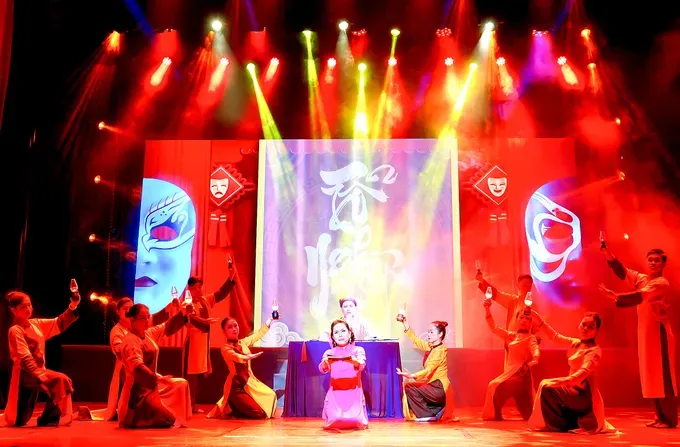
The National Cai Luong (reformed opera) Talented Performers Contest 2026, held in Ho Chi Minh City, has concluded after a vibrant week of competition. Through a series of performance nights, audiences witnessed the growing maturity of a new generation of artists who are ready to carry forward the brilliant tradition of their predecessors.
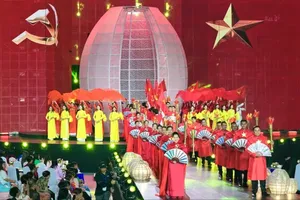
On the evening of May 23, at the Tran Huu Trang Cai Luong Theater in Ben Thanh Ward, Ho Chi Minh City, the Department of Performing Arts under the Ministry of Culture, Sports and Tourism, in coordination with the Ho Chi Minh City Department of Culture and Sports, the Vietnam Stage Artists Association, and relevant agencies, held the closing ceremony and awards presentation of the National Cai Luong (reformed opera) Talented Performers Contest 2026.
The closing ceremony was attended by Vice Secretary of the Ho Chi Minh City Party Committee and Chairman of the Vietnam Fatherland Front Committee of Ho Chi Minh City, Nguyen Phuoc Loc.
The organizing committee presented four First Prizes to performers with outstanding performances, including Truong Trong Nhan of Huynh Long Classical Cai Luong Troupe; Nguyen Thi Ha of Vietnam National Traditional Theater; Nguyen Thi Bich Cham from Vu Luan Entertainment Co., Ltd.; and Le Hoang Nghi of Vam Co Cai Luong Art Troupe.
A meaningful career festival
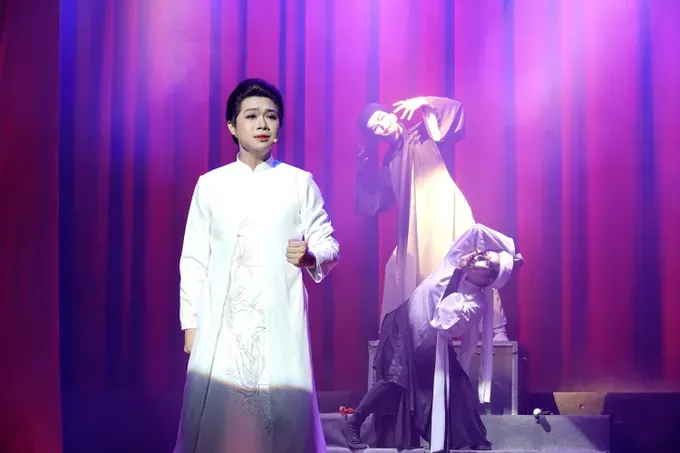
The National Cai Luong (reformed opera) Talented Performers Contest 2026 serves not only as a platform for artists to showcase their talent but also as a space affirming the vitality of Cai Luong in contemporary life.
The competition also offers the public an opportunity to reflect on the journey of the art of Cai Luong, from traditional Don Ca Tai Tu Nam Bo (southern amateur music) performances under simple thatched roofs to brightly lit modern stages and even through quieter periods in which the art form sought new directions. It is, ultimately, a resilient journey of an art form that has continuously evolved to stay relevant in changing times, while never losing its distinctive identity.
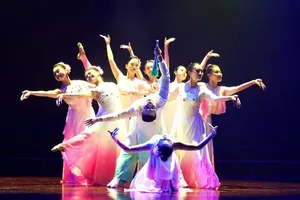
On the stage of the contest, audiences enjoyed fresh voices and young performers showcasing talent, passion, dedication, and creative innovation. Several performances left a lasting impression on viewers, such as “Dong Song Do” (The Red River) performed by Tran Thi Truc Phuong of Tran Huu Trang Cai Luong Theater, “Dien kich mot minh” (One-person Performance) performed by Truong Trong Nhan of Huynh Long Classical Cai Luong Troupe; “Tuy hung phu nhan” (Lady Macbeth’s Impromptu) performed by Nguyen Thi Ha of Vietnam National Traditional Theater; “Chat ngoc Cam Thi giang” (The Gem Essence of Cam Thi River) performed by Vo Vu Linh of Can Tho City's Center for Culture and Arts; “Nga quy” (Hungry Ghost) performed by Vo Hoang Du of Vam Co Cai Luong Art Troupe; and “Loi Vu” (Thunderstorm) performed by Nguyen Thi Bich Cham of Vu Luan Entertainment Co., Ltd.
Director of the Vam Co Cai Luong Art Troupe, Ho Ngoc Trinh, said that this year’s contest is a great opportunity for Cai Luong performers, especially young artists. Participants had ample time to prepare carefully, from selecting roles tailored to their strengths to receiving training support from leading masters in the field. Through this competition, performers gain valuable experience to further develop their singing and acting skills on their artistic journey.
Rather than placing heavy emphasis on awards, Director of the Vietnam National Traditional Theater, Trieu Trung Kien, shared his opinions: After following the contestants across multiple performances, he saw that they had made great efforts to challenge and surpass themselves. He hoped that in future editions, more talents from across localities would participate in greater numbers. Only then can the organization board thoroughly assess the pool of talented performers, enabling organizations to develop training plans and provide appropriate investment to support their growth.
A confident young generation carrying forward the legacy of veterans
The jury panel includes many veteran and well-established artists, alongside two relatively young names, including People’s Artist Que Tran and Meritorious Artist Vo Minh Lam.
If Que Tran represents the next generation following in the footsteps of renowned Cai Luong masters such as Thanh Tong, Minh Vuong, and Le Thuy, then Vo Minh Lam stands as a prominent figure of today’s younger generation.
Meritorious Artist Ca Le Hong stated that the participation of a young artist like Vo Minh Lam is highly anticipated. Together with Que Tran, these two artists help bring perspectives that bridge generations. In particular, they offer fresher, more contemporary viewpoints that are closer to today’s audience entertainment trends.
Providing an overall assessment of the competition, People’s Artist Tran Ngoc Giau, Chairman of the Ho Chi Minh City Theater Association, noted that innovations in both organizational format and the youthful composition of the jury reflect a clear orientation toward identifying a new generation of successors, in preparation for the future development of Cai Luong theater.
The future of the stage belongs to this younger generation of artists. The generation of veteran artists now plays the role of companions—supporting and creating conditions for successors to refine their professional skills and to better understand the responsibilities of those who evaluate and shape theatrical work. At this competition, Que Tran and Vo Minh Lam performed very well, offering accurate and insightful assessments, while also showing a willingness to listen and absorb established artistic standards to further enrich their own expertise, Mr Tran Ngoc Giau remarked.
The competition has concluded, but for those directly involved, many concerns remain. Representatives of several artistic units expressed worries about a generation of performers at risk of "ageing before fully maturing", as not all Cai Luong stages currently have the conditions to operate effectively.
Acknowledging these concerns, People’s Artist Tran Ngoc Giau noted that veteran artists fully understand this issue. Their generation went through a period when the Cai Luong theater faced many difficulties. Therefore, for Cai Luong to develop, alongside the efforts of artists, there must also be a stronger commitment from arts management bodies to remove bottlenecks and bring the stage closer to audiences. Only then can Cai Luong continue to ‘live’ within the flow of contemporary arts.