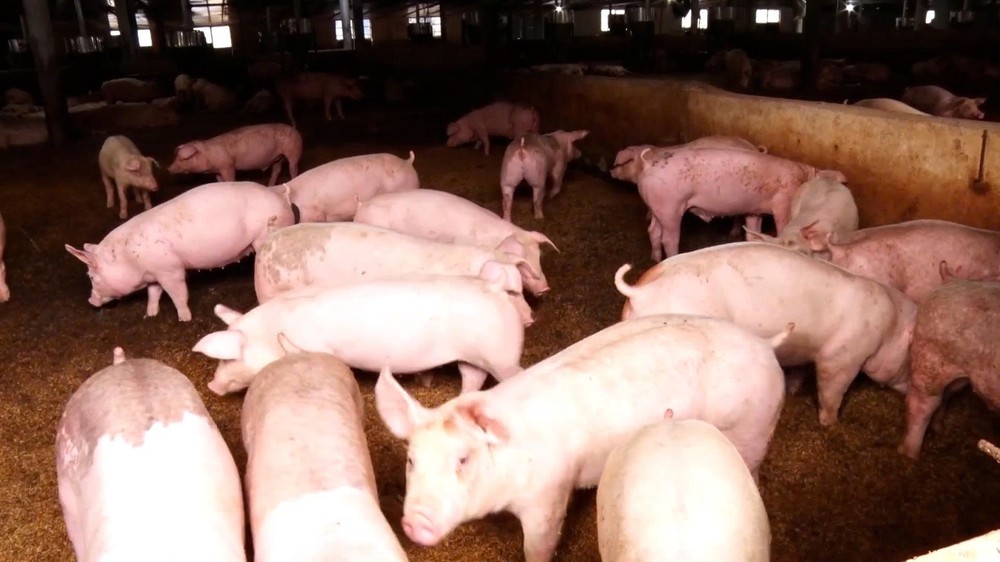
At current price levels, most farms are generating profit—particularly those able to supply their own breeding stock and tightly manage feed costs. In Nghia Thanh Commune, farmer Dao Van Tam reported a recent sale of eleven pigs at VND65,000 per kilogram, earning more than VND2 million per head. “The higher price lifts spirits and gives farmers confidence to return to production,” he said.
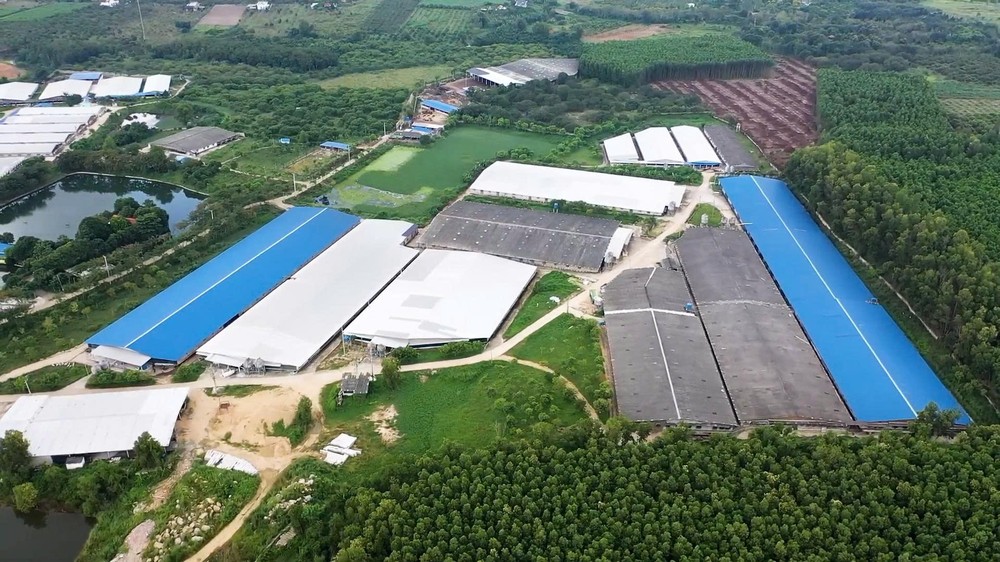
The rally is drawing not only smallholders but also large-scale agribusinesses back into expansion mode. Trang Linh Farm, operated by Trang Linh Co., maintains close to fifty thousand head in Xuyen Moc Commune and expects to supply roughly seven thousand market-ready pigs during the 2026 Lunar New Year peak. According to Chief Executive Pham Truong Giang, the industry is recovering from disease outbreaks and natural disasters that curtailed supply in 2025 and helped drive prices upward. “With a closed-loop model and stringent biosecurity, we are confident in rebuilding our herd to ensure steady output before, during, and after Tet,” he noted.
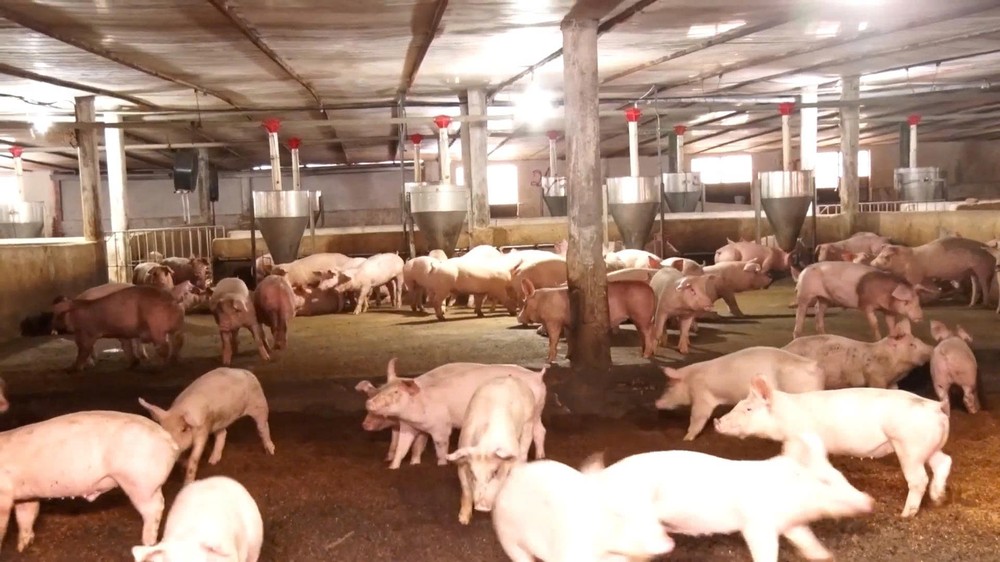
Nevertheless, volatile weather patterns and lingering disease risks are keeping farmers alert. Nguyen Thanh Van, who manages a medium-scale farm in Xuan Son Commune, said all barns undergo rigorous sanitation and disinfection before new stock arrives, and pigs must be sourced from certified suppliers with complete vaccination records. “Disease prevention always comes first,” he stressed.
Despite rising production, Ho Chi Minh City still depends heavily on external supply. The city’s Livestock Production and Animal Health Division reported a herd of more than 1.3 million pigs at the end of 2025. Each day, more than 750 tons of pork are processed and distributed, but 40-45 percent of slaughtered hogs are imported from neighboring provinces. This dependence adds transport costs and complicates disease surveillance.
City veterinarians are urging farmers to restock under tightened oversight and follow strict biosecurity protocols, maintain vaccination schedules, and promptly alert authorities to any unusual symptoms. While higher prices are welcome, officials stressed that only sustainable development will allow the industry to fully capture market opportunities and safeguard a stable supply for consumers.
Price momentum is not limited to the South. Reporters recorded increases across all three regions on January 9. In the North, prices hit a new benchmark of VND71,000 per kilogram in Hanoi, Bac Ninh, and Hung Yen, with the regional average ranging from VND69,000 to VND71,000, the highest nationwide. In the Central and Central Highlands region, prices floated between VND66,000 and VND70,000, led by Thanh Hoa and Nghe An. Southern prices continued edging upward, generally between VND63,000 and VND66,000. Dong Nai posted the region’s highest level, while An Giang logged the lowest nationally.
Mr. Pham Kim Dang, Deputy Director General of the Department of Livestock Production and Animal Health under the Ministry of Agriculture and Environment, said disease control remains effective nationwide. Strengthening demand toward year-end is improving farmer sentiment and encouraging herd rebuilding, while total output continues to grow sufficiently to meet market needs heading into the holiday period.
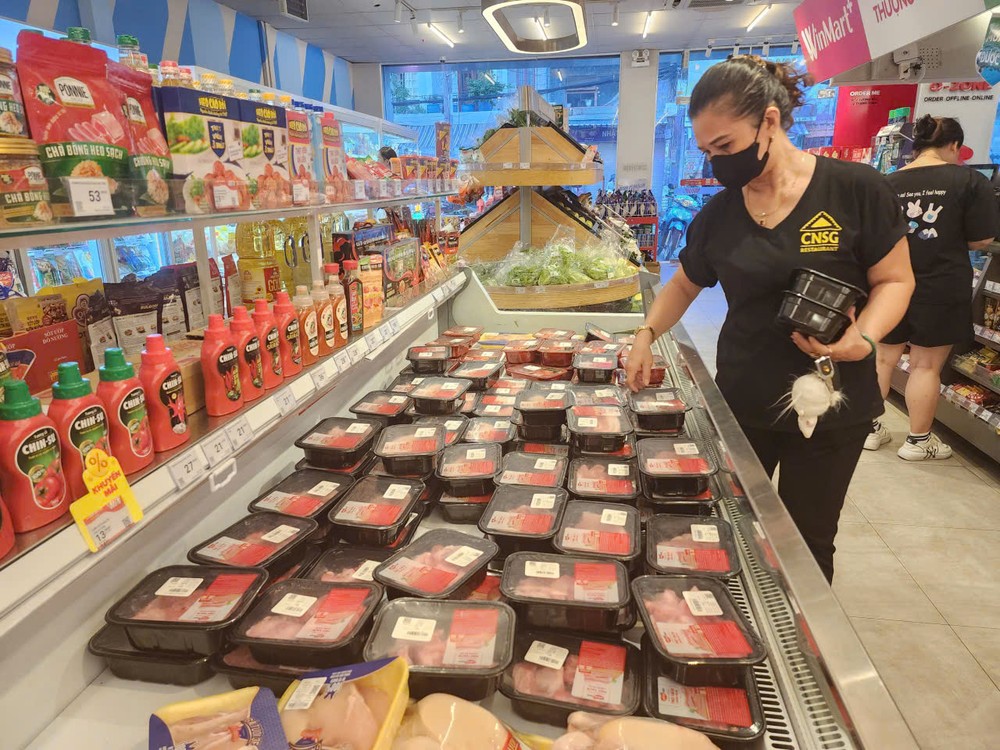
Historically, pork consumption accelerates during the run-up to Lunar New Year, lifting live hog prices by 5-10 percent. Without unexpected disease shocks, peak-season prices could reach VND75,000 per kilogram. Agricultural analysts expect prices to continue firming on January 10 and beyond.
The poultry sector is likewise reaping gains. Poultry prices are trending higher year-on-year, driven not only by domestic demand but also by strengthened consumption in select neighboring markets.