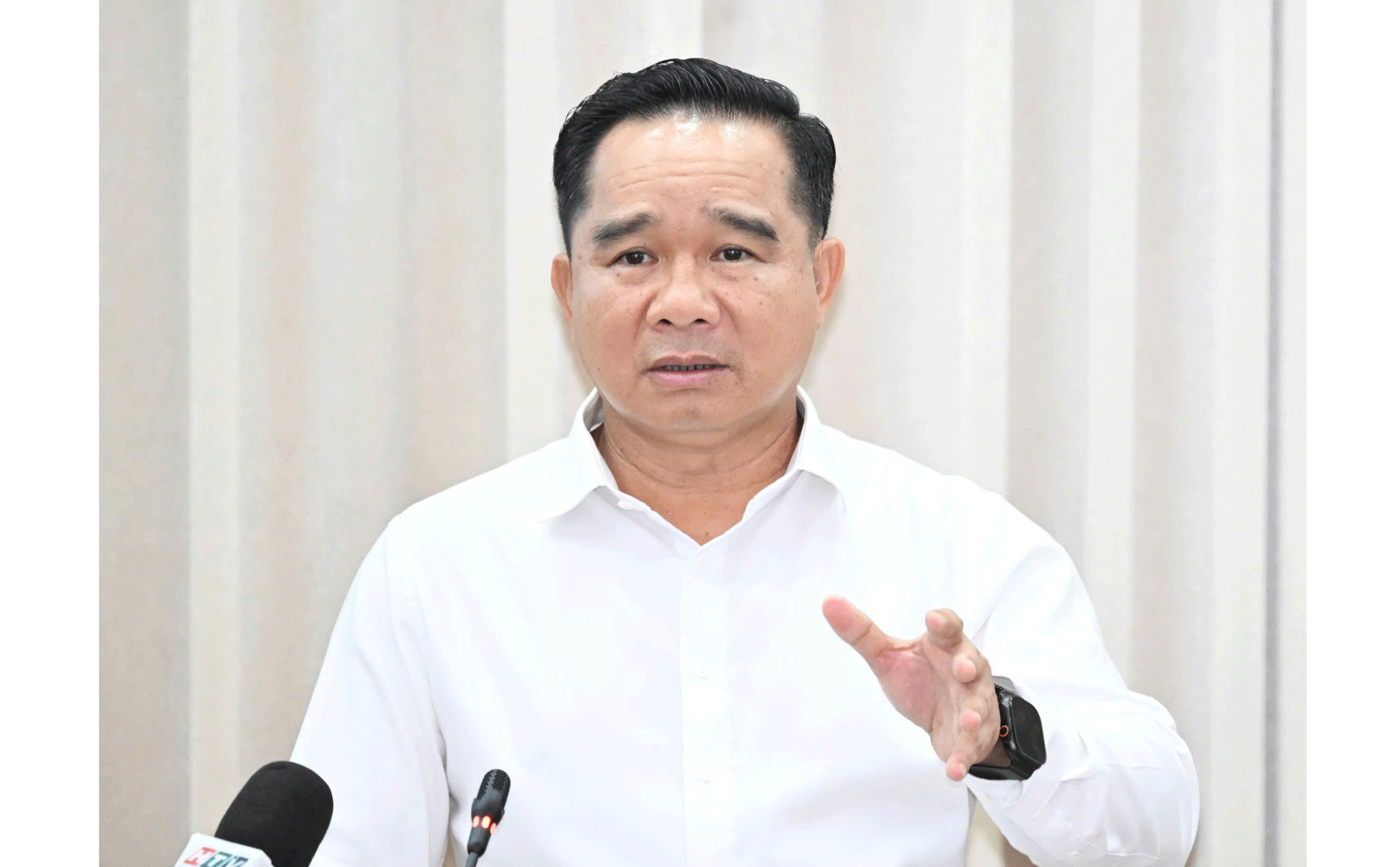
As of March 3 morning, the Office of the People’s Committee of An Giang Province announced that Chairman of the An Giang Province People’s Committee Ho Van Mung had approved adjustments to the province’s 2021–2030 master plan, with a vision to 2050.
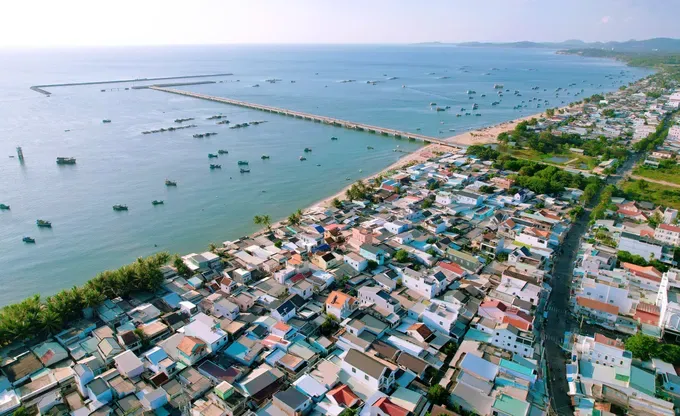
Under the revised plan, by 2030, An Giang aims to become one of the country’s fairly developed provinces with dynamic growth, serving as a national service hub and a strong marine economic center, while promoting sea and island tourism and border-gate economic activities.
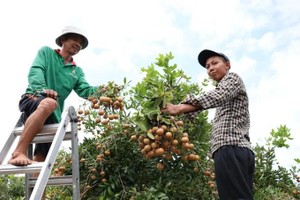
The province will also focus on high-value agriculture and fisheries, and develop into a river–sea–border logistics hub connecting the Mekong region with domestic and international markets.
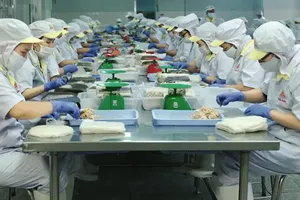
Its economic structure will shift toward a modern, green and sustainable model, based on key pillars: high-tech agriculture linked to deep processing; tourism, trade and logistics services; clean and biotech industries; the digital economy; and the marine and island economy. Socio-economic infrastructure will be developed in a synchronized and modern manner, with economic growth aligned with social progress, improved living standards, environmental protection, climate change adaptation, and strengthened national defense and security across sea, island and border areas.
Economically, An Giang Province targets an average GRDP growth rate of 11 percent or higher per year in the 2026–2030 period. GRDP per capita is expected to reach at least US$6,300 by 2030. The digital economy’s share of GRDP is set to account for 30 percent, while total state budget revenue over five years is projected at VND160 trillion (US$6.1 billion)–VND170 trillion (US$6.5 billion).
In terms of socio-cultural indicators, the province aims for a Human Development Index (HDI) of at least 0.75 by 2030. Average life expectancy at birth is projected to reach about 75.5 years, with healthy life expectancy of at least 68 years. More than 80 percent of general education schools are expected to meet national standards.

The province plans to complete universal preschool education for children aged 3–5 and compulsory education through the lower secondary level. The multidimensional poverty rate is targeted to decline by an average of 0.3–0.5 percent per year through 2030.
Looking toward 2050, An Giang Province aspires to become a new development model for Vietnam in the era of green and knowledge-based economies, pioneering green industries, a circular economy and a world-class sustainable tourism ecosystem. The province aims to serve as a center for knowledge, innovation and high-quality services in the expanded Mekong region.
By 2050, An Giang envisions building a green, low-carbon and sustainable economic ecosystem based on ecological and smart agriculture; green and biotech industries; renewable energy; green logistics services; and the digital and marine–island economy, closely linked with research, development and technology transfer centers.