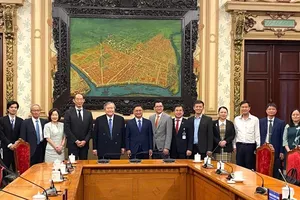
This recommendation was highlighted at the seminar titled "Dialogue on Law, Governance, Data Systems, and Finance in Organ Donation and Transplantation: From Legal Regulations to a Sustainable National System", which was held in Hanoi on October 19 afternoon.
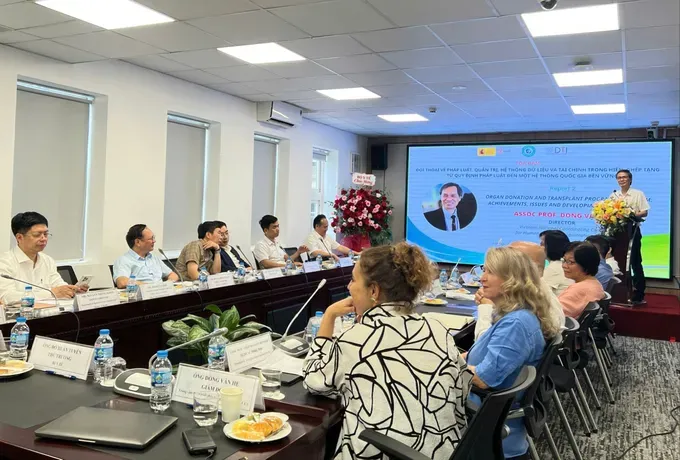
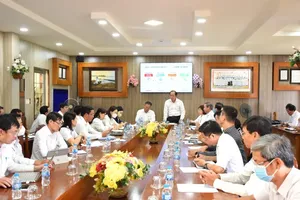
The event brought together representatives from regulatory authorities, medical experts from Vietnam and Spain, and representatives of several organ transplantation hospitals.
During the seminar, Spanish experts shared their experience in building an organ donation and transplantation system, emphasizing the coordination role of Spain's National Transplant Organization (ONT) and the network of specialized hospital coordination teams.
Spanish Ambassador to Vietnam Carmen Cano de Lasala stated that after decades of developing and perfecting its organ donation and transplantation system, Spain has become a global benchmark. According to her, continuous training for coordination staff, especially in approaching donor families professionally, tactfully, and empathetically, has contributed to raising the family consent rate for donation in the country to around 75 percent to 80 percent.
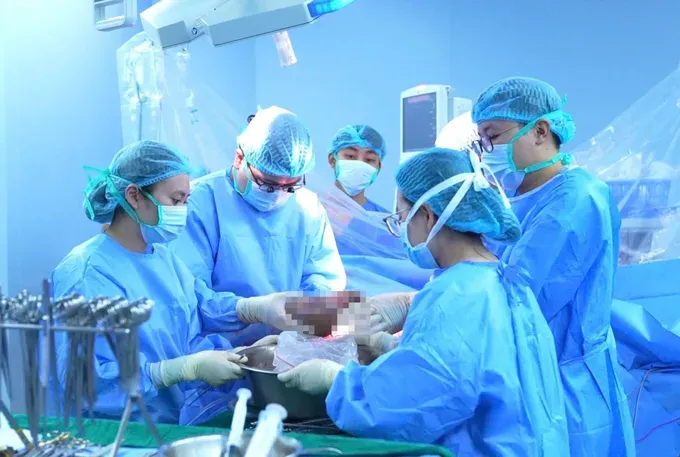
She stressed that organ donation is a voluntary and non-profit act, with families always consulted during the decision-making process.
On the sidelines of the seminar, lawyer Pham Van Hoc, Vice Chairman of the Vietnam Private Hospital Association and Chairman of the Board of Directors of Hung Vuong General Hospital, noted that the state budget support mechanism for voluntary donors of tissues, organs, and cadavers for medical science needs to be clarified.
According to lawyer Pham Van Hoc, the draft Law on Donation, Removal, and Transplantation of Human Tissues and Body Parts and Donation and Removal of Cadavers touches upon state policies, donor rights, and budget expenditures. However, the provisions have not clarified whether the state budget provides direct financial support to donors.
The lawyer argued that alongside encouraging humanitarian spirit, the State must institute practical support policies that reflect responsibility and gratitude toward those who voluntarily donate tissues, organs, and cadavers to medicine. Clearly defining the mechanism and support levels will contribute to perfecting policies and creating favorable conditions to promote tissue and organ donation and transplantation.
In addition to financial issues, lawyer Pham Van Hoc proposed clarifying the legal status, functions, duties, and powers of the National Organ Transplant Coordination Center. According to him, Article 36 of the current law and Article 29 in the new draft law both mention this center, but fail to specify the necessary powers required to effectively execute coordination tasks nationwide.
He suggested that the draft law explicitly define the center's authority to request agencies and organizations to collaborate and assist in the retrieval and transport of tissues and organs. This would serve as a foundation for timely and efficient coordination, especially in emergency situations.
Earlier, on September 21, at the National Assembly Standing Committee meeting regarding the amended draft law, Permanent Deputy Minister of Health Vu Manh Ha pointed out shortcomings in policies for donors and financial mechanisms for organ donation and transplantation activities. The reviewing agency requested an assessment of the balancing capacity of the state budget and the Health Insurance Fund, along with financial solutions to enhance access to organ transplantation services.




)