The delegation was led by Assoc. Prof. Phan Thi Hong Xuan, President of the Vietnam – Asean Friendship Association Ho Chi Minh City and Dean of the Faculty of Oriental Studies at University of Social Sciences and Humanities, Vietnam National University Ho Chi Minh City (USSH-VNUHCM).
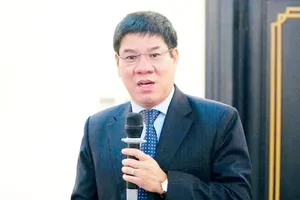
Rear Admiral Nguyen Huu Thoan, Political Commissar of the Naval Academy, presided over the reception.
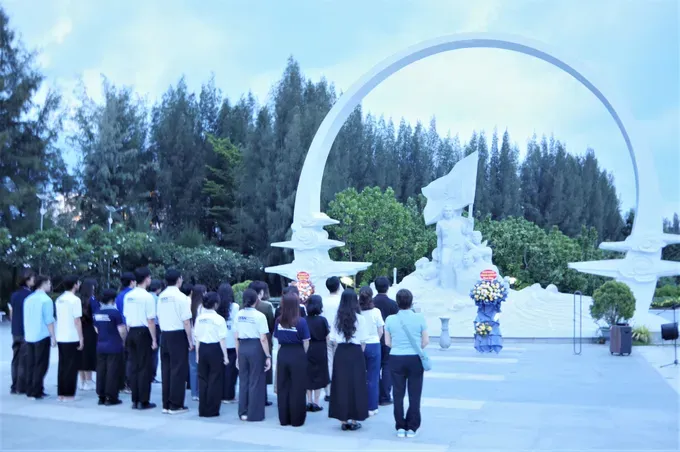
During the program, the delegation offered incense at the Gac Ma Soldiers Memorial Site; visited the Traditional House, the Combat Simulation Training Center, and Sailing Ship 286 - Le Quy Don; and listened to thematic briefings on Vietnam's seas and islands, the maritime security environment, and regional maritime cooperation.
Rear Admiral Nguyen Huu Thoan stated that in recent years, the Naval Academy has focused on improving the quality of education, training, and scientific research, while enhancing defense integration and foreign affairs. This effort contributes to building a revolutionary, regular, elite, and modern Navy Service to meet the requirements of protecting maritime sovereignty in the new situation.
Since 2016, Sailing Ship 286 - Le Quy Don has conducted eight military diplomacy missions combined with long-distance training across seven ASEAN nations. In September 2026, the Naval Academy organized the "International Naval Cadet Training Exchange Program 2026," welcoming 46 international delegates from 12 countries, which helped strengthen interaction, mutual understanding, and coordination capabilities between Vietnamese naval cadets and those from other nations.
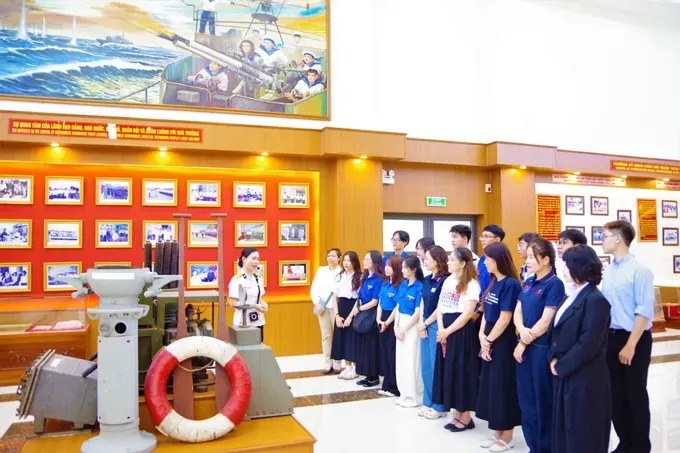
At the program, both sides agreed to step up information dissemination and education in the coming time, particularly for the younger generation, on the position and role of seas and islands in national construction and defense. They also concurred on approaching maritime issues from the perspective of regional cooperation and ASEAN Community building.
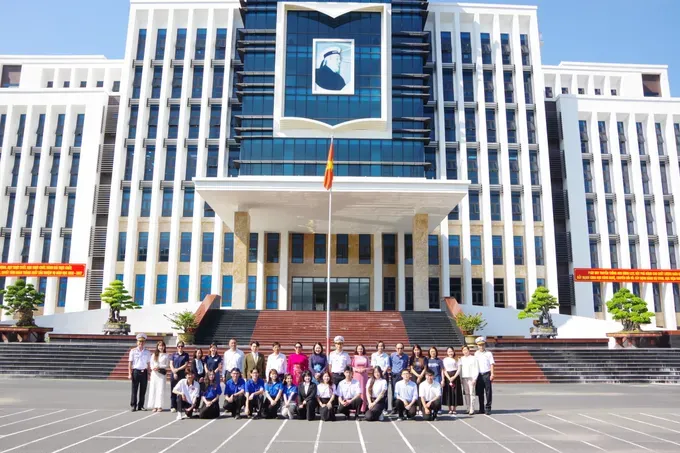
The two sides further exchanged views on applying science and technology, digital transformation, and artificial intelligence to education, training, and scientific research; developing soft skills for cadets; and organizing youth volunteer, mass mobilization, policy-related, and community activities.
Through the program, officers, lecturers, and students gained deeper insights into the role and position of seas and islands, helping spread love for the sea and islands as well as the image of "Uncle Ho's Soldiers - Navy Soldiers" in the new era, especially among the younger generation.