On April 17, Deputy Minister of Agriculture and Environment Le Cong Thanh signed a document addressed to the Head of the National Civil Defense Steering Committee regarding the risk of nationwide water shortages due to the potential emergence of El Niño from mid to late 2026 and potential water shortages in 2026.
According to the MAE, the ENSO system, the climate oscillation in the Pacific Ocean that governs weather in many regions, including Vietnam, is transitioning from La Niña (cold phase) to a neutral state. There is an 80 percent-90 percent probability of shifting to El Nino (hot phase) between June and August. The phenomenon is expected to develop further, potentially reaching moderate to strong intensity by late 2026. There is a 20-25 percent probability it could reach very strong intensity between October and December and persist into 2027.
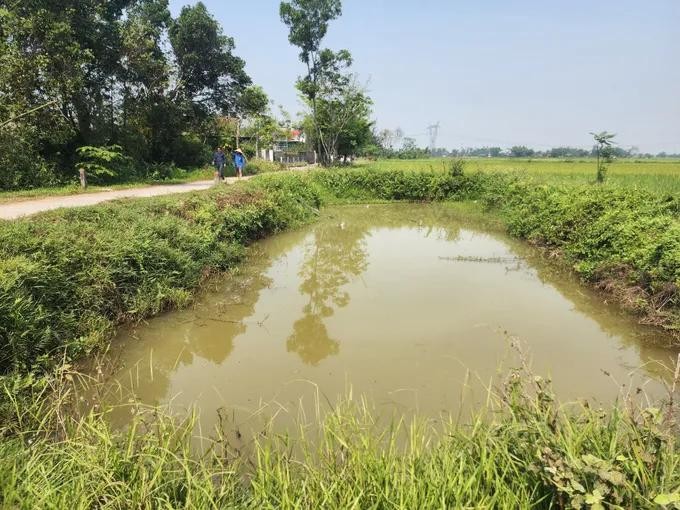
In Vietnam, hot and dry conditions have emerged since the beginning of 2026, with heatwaves increasing earlier than the multi-year average. Rainfall from the start of the year through mid-April has been generally 10 percent-40 percent lower than average. Flow rates and water levels in many river basins have dropped to the lowest recorded levels for the same period, signaling a risk of water shortages from the start of the season.
Technical experts suggest that if El Nino forms according to the forecast scenario, average temperatures across the country will trend higher than normal, with an increase in the number of hot days and greater intensity than in 2025. Rainfall is likely to be deficient during the dry months of 2026, particularly from late 2026 to early 2027, with common decreases of 25-50 percent. The rainy season may also end early this year.
The MAE assesses that water resources across river basins will continue to decline in 2026. On the Da River system, total flow from May to July is expected to be 10 percent-25 percent lower than the multi-year average. This poses a risk to downstream water supply and energy security due to the combination of domestic rainfall shortages and reduced inflows from outside the territory.
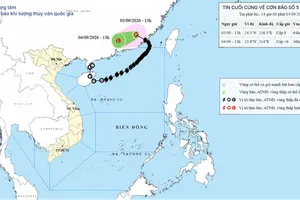
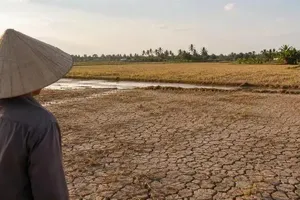
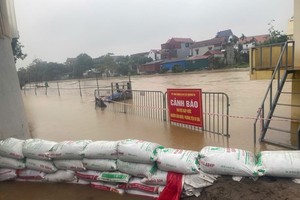
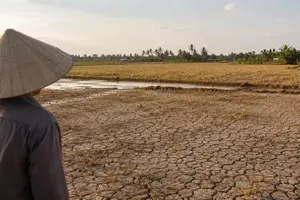
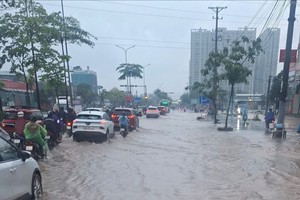
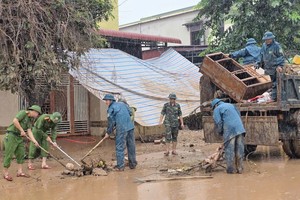
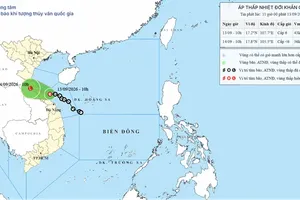
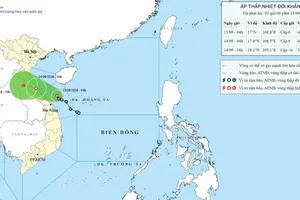
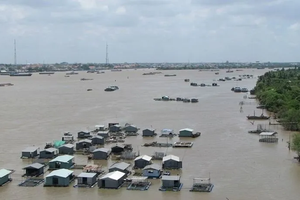
The Ministry warned of a high risk of drought and saltwater intrusion in the South Central, Central Highlands, and Mekong Delta regions during the 2026-2027 dry season. Widespread water shortages may occur in the early months of 2027. Despite a decrease in total rainfall during El Nino cycles, localized heavy rains may still occur, causing flash floods, landslides, and urban flooding. While storm and tropical depression activity in the East Sea is expected to be lower than the multi-year average, the Ministry emphasized the need to remain vigilant against powerful storms with complex trajectories.



)