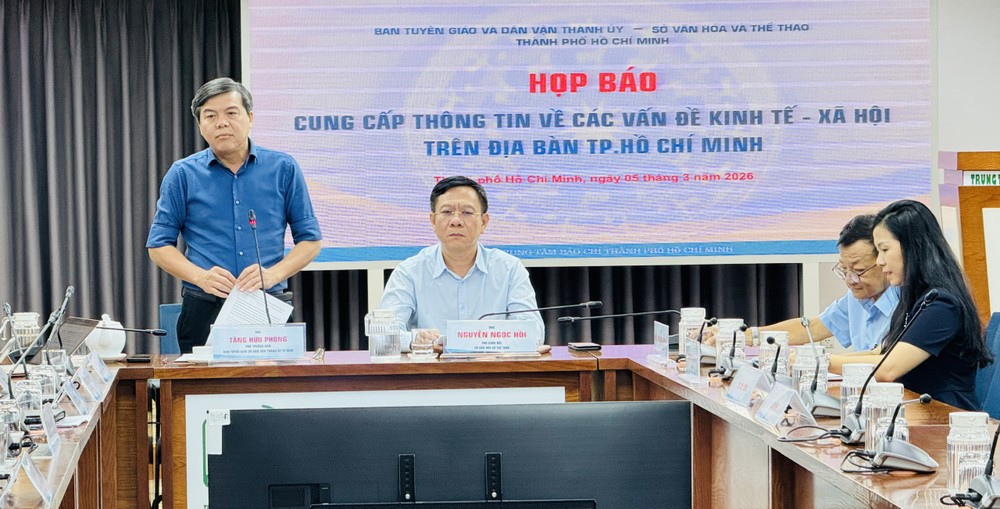
The information was presented by Hepza at a press briefing on socio-economic issues in the city, jointly organized on the afternoon of March 5 by the HCMC Party Committee’s Commission for Propaganda and Mass Mobilization and the HCMC Department of Culture and Sports.
According to Hepza, HCMC currently has 66 export processing zones (EPZs) and industrial parks (IPs) approved for establishment, covering a total area of more than 27,270 hectares. Of these, 58 zones, comprising three EPZs, are already operational. Across the system, there are 4,689 active investment projects, including more than 300 run by export processing enterprises.
In 2025, total revenue generated by enterprises in the city’s EPZs and industrial parks was estimated at about US$80 billion. Export turnover reached US$48.4 billion while imports totaled US$36.6 billion. However, trade with the Middle East accounted for only around 3–5 percent of the overall value.
Despite this relatively modest share, enterprises in the zones maintain a high degree of global integration. As a result, geopolitical instability in the Middle East has had noticeable ripple effects on supply chains and export markets.
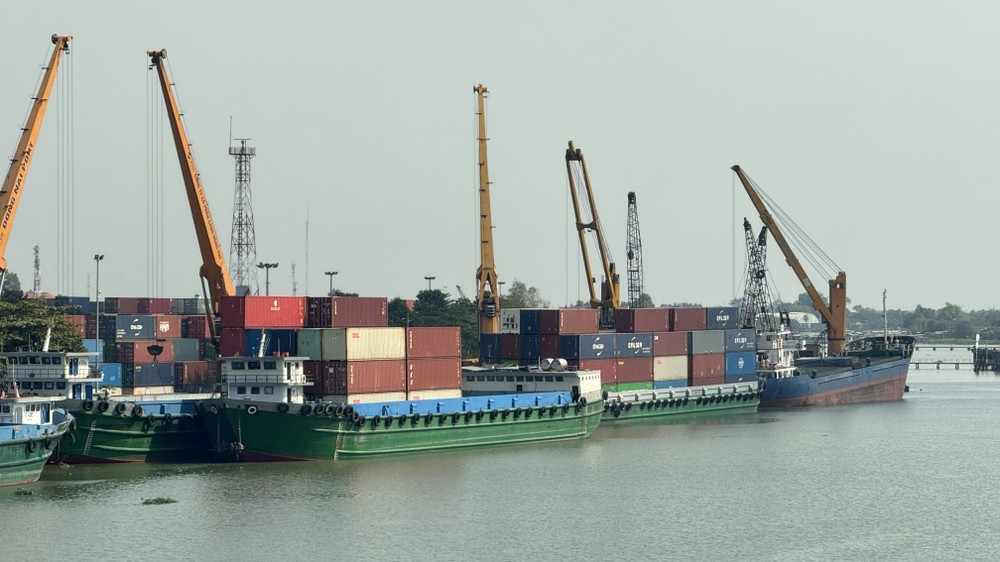
One of the most significant disruptions has been the interruption of shipping routes through the Red Sea, forcing many companies importing materials from Europe to reroute vessels around the Cape of Good Hope in South Africa. The detour has extended shipping times by three to four weeks and significantly increased logistics costs.
Several industries have been particularly affected. Electronics and component manufacturers face the risk of shortages of chips and semiconductor parts sourced from Europe, while air freight rates have surged. The garment and footwear sectors may experience delays in fulfilling delivery schedules and even potential cancellations of summer orders from European Union partners. Meanwhile, the chemical industry is grappling with rising input costs linked to fluctuations in global oil prices.
Seafood and frozen food exporters have also been affected. Restrictions on airspace and changes in flight routes have driven up freight charges, while the availability of refrigerated containers has tightened. Some shipments bound for the European Union and the Middle East are currently facing congestion at transshipment ports.
Agricultural exporters shipping products to markets in the Middle East and North Africa are facing additional challenges in international payment processing, as disruptions in regional banking systems complicate financial transactions.
The logistics sector is likewise under mounting strain. Numerous shipping lines have canceled sailings, leading to a buildup of cargo at ports. Businesses are also facing additional surcharges, such as “war risk” and “route deviation” fees, while empty container shortages have become increasingly common.
Hepza said it will continue to closely monitor developments, particularly among enterprises heavily dependent on raw materials or export markets in the Middle East and the European Union. At the same time, the authority plans to strengthen support for businesses in handling administrative procedures related to import-export activities, certificates of origin, and work permits for foreign employees. Hepza will also coordinate with relevant departments to propose measures aimed at helping enterprises stabilize production and business operations amid ongoing global uncertainties.